Blog

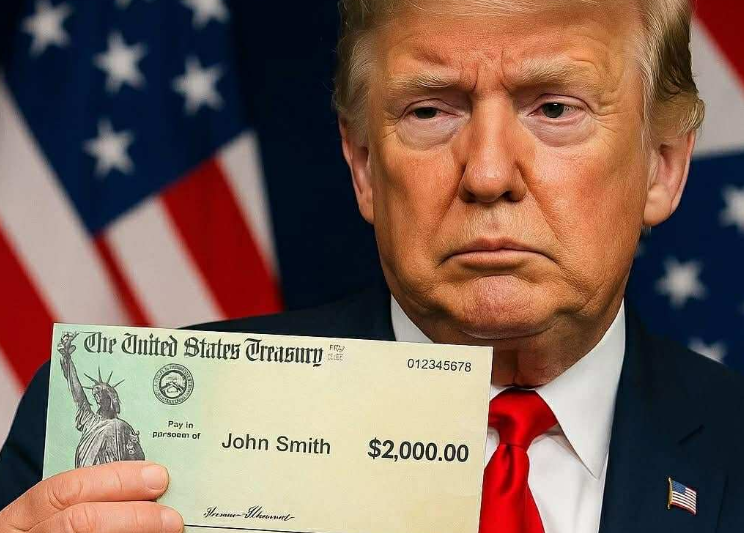
  • Breaking – Trump Promises $2,000 Tariff Dividend for All Americans! Says Opposing Tariffs Is Foolish

    Breaking – Trump Promises $2,000 Tariff Dividend for All Americans! Says Opposing Tariffs Is Foolish

    For days, rumors swirled across political circles, social media, and news commentary shows. Something big was coming, something tied to the economy, something bold enough to grab national attention. By Sunday morning, the suspense broke. President Donald Trump announced on Truth Social that he intended to deliver a $2,000 “tariff dividend” to every American — a payout he said would be funded entirely by revenue from tariffs imposed on foreign nations during his administration. The revelation sent shockwaves through supporters and critics alike, immediately igniting a new round of debate over money, legality, motive, and timing.

    Trump framed the announcement in classic fashion: direct, triumphant, and confrontational. He described tariffs not as burdens but as powerful financial engines that have poured immense revenue into the United States. In his words, the dividend wasn’t charity — it was a rightful return to the American people, a distribution of money generated by what he called strategic economic warfare. Tariffs, he insisted, had strengthened national finances, lifted 401(k)s, and — in his view — fueled prosperity without driving up inflation. He even took aim at those who oppose tariff policies, calling them “FOOLS!” for misunderstanding what he sees as one of the country’s greatest economic weapons.

    The announcement didn’t come out of nowhere. It arrived just days after the Supreme Court examined whether the administration could legally use emergency powers to impose sweeping tariffs across nearly every trading partner. That legal pressure added a layer of urgency — or desperation, depending on who you ask — to Trump’s timing. Critics argue he is trying to solidify public support before the Court delivers a ruling that could strip away some of those tariff powers or even force billions in refunds. Supporters counter that he’s simply returning revenue that belongs to the people.

    Treasury Secretary Scott Bessent, attempting to add clarity, appeared on ABC’s This Week and hinted that the $2,000 might not land as physical checks. Instead, he said Americans may receive the dividend in the form of tax reductions — a quieter, less flashy format, but still a direct financial benefit. His comments triggered a fresh wave of speculation about whether the dividend is a policy in development or a political promise looking for a structure.

    The numbers fueling this whole debate are enormous. Between April and October, U.S. import duties collected around $151 billion. Some projections, boosted by the administration’s own confidence, claim tariffs could generate $500 billion or more annually under expanded enforcement. For comparison, the $2,000-per-person stimulus plan from the pandemic era cost about $464 billion. If the revenue numbers are accurate — and that’s a point economists fiercely question — Trump’s proposal sits within the realm of theoretical possibility. But many analysts argue the revenue would need to be sustained consistently, something tariff systems have historically struggled to deliver without destabilizing consumer costs.

    Trump, however, is leaning into the symbolism as much as the math. The dividend taps into a deep emotional well among Americans who feel squeezed by inflation, housing costs, debt, and stagnant wages. It resurrects the populist tone that defined his political rise: ordinary people getting something back from a government they feel has overlooked them. The message is less about spreadsheets and more about tapping into the frustration of families who are tired of stretching their paychecks while global corporations and foreign governments seem to benefit from complex trade rules.

    Still, skepticism is loud. Ohio Senator Bernie Moreno voiced what many fiscal conservatives have been shouting for years: “It’ll never pass. We’ve got $37 trillion in debt.” Others warn that creating a national dividend from tariff revenue might require Congress to restructure large portions of federal budget law — a battle guaranteed to be brutal, slow, and politically costly. If the Supreme Court decides Trump’s emergency tariff powers were unconstitutional, billions of dollars collected could be subject to repayment, blowing a hole in any plan to redistribute the revenue.

    Not all tariffs are on shaky ground. Duties placed on steel, aluminum, and automobiles appear legally stable for now, and Trump has historically used these tariffs as bargaining tools in negotiations with countries like China and Mexico. That strategic use adds another complication: if tariffs are both diplomatic leverage and domestic revenue generators, any program tied to them becomes entangled in foreign policy decisions.

    Despite all the caveats, Trump’s announcement rallied his base in a week when Republicans needed momentum. They had just taken a hit from Democratic victories in key blue-state elections, where frustration over rising living costs played a major role. A promise of financial relief — whether through checks or tax cuts — offered supporters something clear and energizing to hold onto.

    Even those critical of Trump acknowledge the political sharpness of the move. It speaks directly to working Americans who feel bruised by inflation and disillusioned with slow-moving economic reforms. It repositions tariffs — usually a dry and technical topic — as a personal issue tied to people’s wallets. In an era where political loyalty often rises and falls based on economic security, the announcement landed with force.

    In the broader national conversation, the $2,000 tariff dividend quickly became more than a proposal. It became a reflection of the underlying tension between political promises and the economic realities that shape them. Americans want relief, predictability, and financial stability, but they’ve also grown wary of big announcements that lack clear paths. Many people watched Trump’s statement with hope, even excitement, but just as many watched with raised eyebrows, remembering past promises that stalled out in Congress or collided with legal barriers.

    What’s clear is that the proposal, whether ultimately achievable or not, underscores the challenge of running modern economic policy in a world of exploding national debt, global trade battles, and hyperpolarized politics. Tariffs remain one of the most polarizing tools in the government’s economic arsenal — praised as protection for American jobs and condemned as hidden taxes on consumers. Turning them into a national dividend adds a new layer of complexity.

    For everyday Americans, though, the political chess game matters far less than the bottom line. People want to know if money will arrive, how soon, and in what form. They want certainty in a time when everything feels unstable. Trump’s announcement delivered a headline that sparked hope and controversy in equal measure. But behind the headline lies the harder truth: policies that sound simple in a social media post become much more complicated when confronted with law, math, and bureaucracy.

    Whether the dividend becomes reality or dissolves into another chapter of political theater, it has already achieved one thing: it captured the nation’s attention. It reminded people how deeply economic security shapes their lives and how quickly a bold promise can shift the national mood. And it pushed the conversation back to a central question: who truly benefits from America’s wealth, and how should that wealth be shared?

    For now, the $2,000 tariff dividend sits somewhere between ambition and uncertainty — a proposal with enormous appeal, tangled in a web of legal, financial, and political obstacles. But it has sparked a debate the country won’t walk away from anytime soon.

  • Finally! Trump Promises $2,000 Tariff Dividend for All Americans, Says Opposing Tariffs Is Foolish!

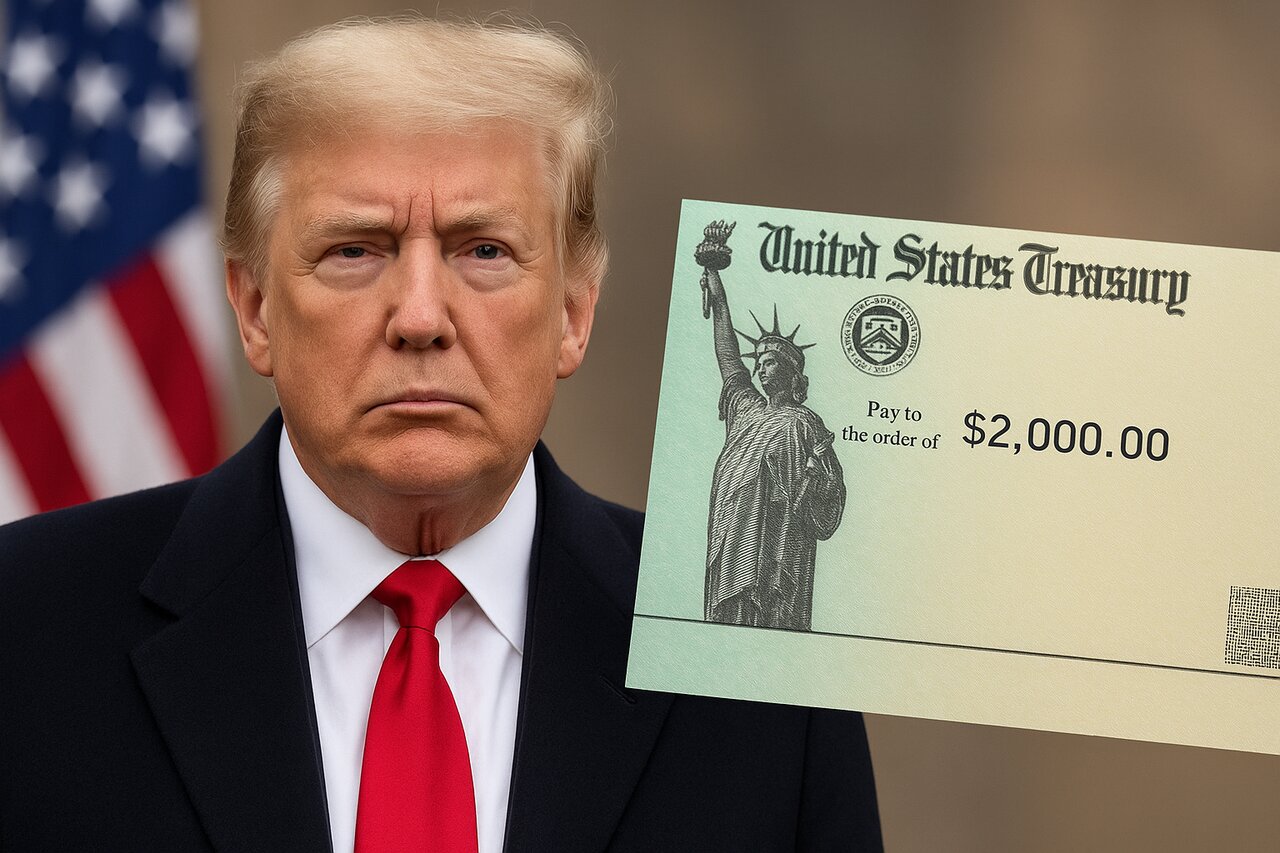
    Finally! Trump Promises $2,000 Tariff Dividend for All Americans, Says Opposing Tariffs Is Foolish!

    Campaign MerchanFor an entire week, political circles buzzed with speculation about a major economic announcement that could send shockwaves across the country. On Sunday morning, the rumor became reality. President Donald Trump took to Truth Social and declared that he intended to give every American a $2,000 “tariff dividend,” funded by the tariffs his administration has imposed on nations around the world. The statement landed like a grenade — thrilling supporters, unsettling critics, and immediately launching a fierce national discussion about policy, legality, and the real cost of such a promise.

    Trump presented the plan as a reward to the American people, money he claimed rightfully belonged to them. Tariffs, he argued, had brought extraordinary revenue into the country, strengthened retirement accounts, and — contrary to what economists had predicted — hadn’t caused inflation. In classic Trump fashion, he blasted opponents as “FOOLS!” and framed the dividend as the logical payoff for years of hardline trade strategy. He also insisted the payments wouldn’t favor the wealthy but would go to “all Americans,” positioning himself as the defender of ordinary citizens in a cost-of-living crisis.

    The timing, however, raised eyebrows. Trump’s announcement came only days after the Supreme Court questioned whether his administration had the constitutional authority to invoke emergency powers to impose sweeping tariffs across nearly every trading partner. If the Court strikes down those emergency tariffs, the government may be forced to refund billions. The uncertainty adds a thick layer of political drama to the entire proposal, leading observers to wonder whether the announcement was a preemptive political move or a calculated show of strength.

    Treasury Secretary Scott Bessent tried to temper expectations during an interview on ABC’s This Week. He acknowledged the proposed $2,000 might not arrive as physical checks. Instead, Americans could receive the dividend through tax relief. The shift from direct cash to tax credits may signal the administration is still searching for a legally viable path to fund the distribution. Bessent’s explanation did little to cool public debate. If anything, it widened the divide — supporters insisted tax credits were still meaningful, while critics accused the administration of vague messaging and overpromising.

    The numbers fueling the conversation are massive and contested. Between April and October, U.S. import duties generated about $151 billion. Supporters point to projections suggesting increased tariffs could bring in over $500 billion annually. Critics argue those figures are exaggerated, selective, or unsustainable. To put the dividend into perspective, the pandemic-era $2,000 checks cost roughly $464 billion — nearly half a trillion dollars. For Trump’s dividend to be feasible, tariff revenues would have to match or exceed that cost every year, a scenario many economists consider unrealistic.

    Still, the idea of a tariff-funded payment is not new. Trump has floated variations of the concept before. What sets this moment apart is the political climate. Republicans are coming off a bruising week marked by Democratic victories in key blue-state races, where voters cited frustration with rising living expenses. A bold promise of immediate financial relief offered a strategic rallying point, shifting the national conversation back to economic populism — Trump’s strongest lane.

    But not everyone is convinced. Ohio Senator Bernie Moreno dismissed the idea outright, pointing to the nation’s $37 trillion debt. Economists warn that even if tariff revenue spikes, relying on it for universal payments could destabilize trade relationships, raise consumer prices, and distort key sectors of the economy. Others note the legal limbo surrounding Trump’s emergency tariff powers, which the Supreme Court will rule on by June. If the Court rules against the administration, billions might need to be refunded, further straining resources that were supposed to fund the dividend.

    Despite the uncertainties, some tariffs — particularly those on steel, aluminum, and automobile imports — appear safe from legal challenges. These duties have long played a role in Trump’s foreign policy tactics, used as pressure points during negotiations with China, Mexico, and European nations. For Trump, tariffs represent more than revenue streams: they are tools of influence and symbols of national strength. That symbolism is central to the dividend proposal, which he frames not just as a fiscal measure but as proof that America can profit from protecting its own industries.

    The broader response reflects the country’s economic mood. Many families feel squeezed by rent, groceries, utilities, and medical bills. A $2,000 windfall — no matter how theoretical — speaks directly to their financial anxiety. To them, the dividend represents more than policy; it represents acknowledgment and relief. On the other hand, people wary of the plan see it as another oversized promise built on shaky ground, designed to energize supporters but unlikely to survive legislative or judicial scrutiny.

    Whether the dividend materializes or not, Trump’s announcement forces a larger conversation about how the country handles its wealth, its trade strategy, and its ballooning debt. It highlights the tension between headline-grabbing promises and the complex machinery of government finance. It also underscores how easily political messaging can overshadow the slow, intricate work required to turn ideas into law.

    For Americans navigating economic uncertainty, the debate hits close to home. Will they actually see $2,000? Will it come through tax reductions, a debit card, or not at all? Will the Supreme Court’s ruling derail everything? These questions remain unanswered, leaving citizens caught between hope and skepticism.

    Yet one thing is certain: the proposal struck a nerve. It reignited discussions about fairness, opportunity, and the role of government in redistributing national wealth. It brought back Trump’s signature economic message — that the country’s prosperity should flow directly to its people, not to foreign nations or wealthy elites. And it reminded the public that in modern politics, a single announcement can change the entire national conversation overnight.

    The $2,000 tariff dividend sits now at the intersection of ambition and uncertainty — inspirational to some, troubling to others, impossible to ignore. Whether it becomes a defining economic policy or remains a provocative headline, it has already reshaped the political landscape and rekindled a debate the nation won’t silence anytime soon.dise

  • BREAKING! At least 4 dead, 10 injured after mass shooting at child!

    BREAKING! At least 4 dead, 10 injured after mass shooting at child!

    Stockton, California was supposed to experience nothing more dramatic than a cheerful Saturday birthday party — balloons tied to a fence, kids chasing one another across the yard, and a cake waiting to be lit inside. Instead, what should have been an innocent celebration spiraled into one of the most horrifying scenes the city has witnessed in years. By the time the chaos settled, at least four people were dead, ten more were wounded, and an entire community was left reeling.

    Families had gathered for a young child’s birthday — the kind of low-key afternoon event where neighbors drop by, music plays softly, and children tear open gifts while adults talk on the porch. Witnesses say there was nothing unusual, nothing that hinted at danger. Laughter filled the house, parents chatted around tables covered with snacks, and the biggest concern was who would cut the cake.

    Then the gunfire started.

    Some neighbors thought the first pops were leftover holiday fireworks — a mistake that lasted only a moment. Seconds later, screams tore through the street. The rapid-fire shots hit with such speed that parents barely had time to react. Some grabbed children and shielded them on the ground. Others pulled kids inside the house or tried to rush them behind parked cars. Chairs flipped over, cups shattered, and balloons drifted into the air as panic washed over the yard.

    When police arrived, officers described the scene as “pure chaos.” Children were crying, adults were bleeding or trying to help the wounded, and neighbors ran out of their homes in shock. Emergency responders moved quickly, performing chest compressions, carrying victims to ambulances, and shouting instructions over the noise. Ten victims were rushed to local hospitals — several in critical condition.

    The house that was supposed to echo with birthday songs instead became a crime scene marked by overturned furniture, shattered decorations, and stains no family should ever see. The child whose party it was survived physically, but the emotional trauma of that night will linger.

    Authorities have confirmed the death toll but have not yet released the identities of the victims. They have also not stated whether the shooter knew anyone at the party. For now, investigators are considering every possibility. “This is one of the most heartbreaking scenes we’ve responded to,” one official said. “A children’s party. Innocent families. Pure devastation.”

    Detectives are working around the clock to piece together how the attack unfolded. Several neighbors have provided surveillance footage from their doorbell cameras, and police are analyzing video for clues about suspects or vehicles seen in the area. Witnesses reported a suspicious car slowly passing the home shortly before the shooting began, though descriptions vary and investigators are not drawing conclusions yet.

    Inside, the remnants of the party remain disturbingly intact — unwrapped gifts scattered across the floor, half-filled cups on tables, toys lying abandoned exactly where kids dropped them. It paints a painful contrast between what the day was meant to be and what it became.

    Parents who were at the party described diving over their children, trying to protect them with their own bodies, and the terror of not knowing where the shots were coming from. Some children reportedly ran into closets or hid under tables while adults shouted for them to stay down. Others were carried out of the house by first responders who moved swiftly through the chaos.

    The neighborhood surrounding the home is shaken. Families stood outside long after police taped off the area, holding each other, crying, or simply staring in disbelief. Many know the family that hosted the party, which has only deepened the grief. A few parents admitted they had spent the night refreshing news updates, terrified that more victims would be announced.

    Local schools have been notified, as several of those attending the party may have been students. School counselors are preparing for what will undoubtedly be a difficult week for classmates, friends, and teachers who knew the children involved. Early Sunday morning, neighbors began placing flowers, candles, and stuffed animals near the front of the home — a small gesture to honor the lives stolen and the innocence shattered.

    City officials have urged residents to avoid spreading rumors about motive or identity until investigators confirm details. Already, speculation is flying across social media — from claims of gang ties to accusations of domestic disputes — none of which police have validated. Authorities emphasized that misinformation only complicates their investigation and adds distress to grieving families.

    Meanwhile, videos from bystanders have circulated online, showing flashing police lights illuminating the street and paramedics racing through the yard. In one clip, parents can be seen clutching their children as officers direct them away from the scene. Another shows neighbors gathering outside, many visibly shaken, trying to wrap their minds around what had just happened.

    The Stockton Police Department has brought in additional units to help process evidence. Detectives are mapping bullet trajectories, collecting shell casings, interviewing traumatized witnesses, and reviewing hours of surveillance footage. It will take time — possibly days or weeks — to form a full picture of who carried out the attack and why.

    The broader community is mourning. Stockton is no stranger to violent crime, but a mass shooting at a child’s birthday party hits with a cruelty that feels almost unthinkable. The randomness of the setting — a backyard full of children and families — has left residents questioning how something like this happens in the first place.

    As night fell, the scene remained cordoned off, with investigators moving quietly under floodlights and officers standing guard. The colorful decorations that once promised a day of joy now hang limply, fluttering in the wind beside police tape. It’s a haunting visual, a reminder of how quickly celebration can turn into tragedy.

    For the families affected, the path ahead will be long and heavy. For the city, the shooting is a brutal wake-up call that violence can strike even in the most innocent spaces. And for investigators, the pressure is on to deliver answers — and justice.

    The story is still unfolding. Updates will follow as authorities release more information and the community grapples with the weight of a day no one will ever forget.

  • This touching 9/11 Budweiser commercial paying tribute to our nation only aired once!

    This touching 9/11 Budweiser commercial paying tribute to our nation only aired once!

    It has been nearly two decades since the world watched the Twin Towers fall, yet the memory of September 11 remains vivid, painful, and deeply embedded in the national consciousness. Almost 3,000 innocent people were killed that day — parents, children, friends, coworkers, strangers who woke up expecting an ordinary morning. The years may pass, but the collective wound never truly closes. Grief softens, but it never disappears. And neither does the unwavering patriotism that emerged from the ashes.

    In the aftermath of that horror, the country stood united in a way rarely seen before or since. Americans from every walk of life came together — not in politics, but in humanity. The world, too, paused with us. Countries far beyond our borders grieved alongside the United States, offering condolences, prayers, and gestures of solidarity. It was a moment when the worst of humanity brought out the best in millions.

    In that emotionally raw period, Budweiser released a commercial that instantly became one of the most touching tributes ever put on television. It wasn’t flashy. It wasn’t manipulative. It didn’t even speak. It didn’t need to. It was a quiet, reverent salute — a message of grief, respect, and remembrance delivered with breathtaking simplicity.

    The commercial opens with the iconic Budweiser Clydesdales, the towering horses that have long symbolized strength, elegance, and American pride. They are shown leaving the countryside and making their way toward New York City. Their journey takes them across familiar American landscapes — open fields, rolling hills, and snow-covered barns — before the scene shifts to the heart of the city.

    The horses trot through the streets, people stopping in their tracks to watch them pass. They move with a solemn dignity, a steady march that matches the weight of what the nation endured. The camera captures their slow, deliberate steps through the boroughs, the soft clop of their hooves serving as a quiet drumbeat of remembrance. As they approach the Statue of Liberty, the tone becomes even more powerful. Lady Liberty stands tall in the distance, an unwavering symbol of freedom — one that terrorists tried but failed to destroy.

    Next, the Clydesdales cross the Brooklyn Bridge, approaching Manhattan. Anyone who lived through 9/11 knows how symbolic that journey is. For weeks after the attack, the skyline felt incomplete, wounded. The towers had defined the city, and their absence was an open wound. Budweiser didn’t need to show what had happened. Everyone watching already knew. The smoke, the chaos, the sirens — it all lived quietly beneath the surface of every image.

    When the horses reach a small grassy clearing overlooking the site where the Twin Towers once stood, the moment becomes unforgettable. The camera pans to the skyline, soft music swelling as the Clydesdales line up in formation. Then, with perfect synchronicity, they bow their heads.

    No narration. No dramatic speech. Just a bow — a universal gesture of respect, sorrow, and honor.

    The message was clear without a single word: never forget.

    Budweiser aired the commercial only once, during the 2002 Super Bowl. They didn’t monetize it. They didn’t use it to promote sales. It was a tribute, nothing more — a corporate giant stepping back and acknowledging the loss shared by millions. For many, it remains one of the most emotional ads ever created. People who never cry cried. People who never show sentiment felt something heavy rise in their chest. It struck a chord because the tone was right: sincere, quiet, humble.

    Nearly a decade later, Budweiser brought the ad back for the 10th anniversary of the attacks. Paul Chibe, then VP of marketing for Anheuser-Busch, explained that the re-airing was intended not only as a tribute but also as a way to help raise awareness for the National September 11 Memorial & Museum. The updated version featured subtle changes to reflect the passage of time, but the central message remained untouched.

    The reason the commercial resonates so deeply is simple: it captures what so many Americans feel but cannot always express. We remember the heartbreak and the heroes — firefighters running into collapsing buildings, police officers guiding people to safety, ordinary citizens becoming protectors, rescuers, and symbols of resilience. We remember the faces of those who never made it home. We remember the shock of watching the towers fall, the fear of not knowing what came next, and the pride that grew when the country stood shoulder to shoulder in the days that followed.

    The Clydesdales’ bow is more than a symbolic gesture. It’s a reminder of unity. A reminder that even in the darkest moments, the nation rises together. A reminder that the loss was not just America’s — it was humanity’s.

    Nineteen years later, the images still hurt. But the commercial stands as a gentle tribute that doesn’t reopen the wound — it honors it. It invites reflection, not despair. It asks viewers to pause, to remember, and to hold onto the promise that the nation must never allow such hatred to strike at its heart again.

    As the years continue to pass, and as new generations learn about 9/11 through stories rather than memories, tributes like Budweiser’s help keep the meaning alive. They remind us that remembrance isn’t a single day on a calendar — it’s a responsibility. A promise.

    A vow to never forget, and never let it happen again.

  • 100s of Bikers Showed Up At Our Door After I Posted My Son Could Not Go To Prom Because Of His Wheelchair!

    100s of Bikers Showed Up At Our Door After I Posted My Son Could Not Go To Prom Because Of His Wheelchair!

    The moment the hotel manager told me my son Jake would have to use the service entrance — the same entrance used for garbage bins and delivery carts — something inside me snapped. Seventeen years of pushing through obstacles, of average people treating my son’s wheelchair like an inconvenience, of doors too narrow and ramps too steep, of whispered pity and lowered expectations… it all boiled over in that one humiliating phone call.

    Jake has muscular dystrophy. It stole his mobility little by little, but it never took his spirit. He never complained, not about the chair, not about the classmates who avoided him, not even about the girl who only agreed to go to prom because her mother guilt-tripped her into “being kind.” But this? Forcing him into a kitchen entrance like he was something to be hidden? No. Not for his senior prom. Not after everything he had fought for.

    I opened Facebook and blasted my frustration into the world. “My son has to enter his prom through a back kitchen door because the main entrance isn’t wheelchair accessible. After everything he’s overcome, he deserves better than this.” I posted it in anger, expecting maybe a few sympathetic comments.

    Instead, the post exploded.

    By morning, it had been shared over a thousand times — and somehow it reached the last group of people I ever expected to care: the Iron Horsemen, the motorcycle club everyone in town whispered about but never approached.

    Three days before prom, my doorbell rang at 8 a.m. When I opened it, a giant man with a silver beard, tattooed arms, and a leather vest stood on my porch. Behind him stretched a line of motorcycles filling my driveway, my street, and part of the sidewalk.

    “You Angela?” he asked, voice low and gravelly. “Mother of Jake?”

    Every instinct I had screamed danger. Instead, I nodded.

    “I’m Crusher,” he said, extending a massive hand. “President of the Iron Horsemen. We saw your post about the prom.” Then he smiled, unexpectedly warm. “We’re here to help.”

    Help. From a biker gang. I was too stunned to speak.

    Crusher stepped inside, explaining that his brother — a Vietnam veteran — had been in a wheelchair for years before he passed. “People treated him like he was furniture,” Crusher said. “We don’t let disrespect slide. Not then, not now.”

    He also told me something I didn’t know: the Madison Hotel’s original owner had been one of their founding members. “We’ve still got influence there,” he said simply.

    Just then, Jake wheeled into the room, hair sticking up, blinking sleepily. When he saw Crusher, he nearly lit up. “You’re the Iron Horsemen president,” he said, sounding more starstruck than scared. It was the first time in years I’d seen him look genuinely excited.

    Crusher explained the plan. The Iron Horsemen wanted to escort Jake to prom — not just as transportation, but as an honor guard. They would make the main entrance accessible. They would build a ramp themselves if the hotel refused. And they had a custom motorcycle sidecar modified for wheelchair access so Jake could ride at the front of the formation.

    Jake’s response was immediate. “Can I ride with you?”

    And that was it. Prom night transformed from a dreaded reminder of limitations into something extraordinary.

    The next afternoon, Jake and I visited the Iron Horsemen clubhouse. Instead of the den of criminal chaos I imagined, it was spotless, with military flags and memorial plaques on the walls. Most of the bikers were veterans, retired workers, or everyday people with tough exteriors and unexpectedly soft hearts. They introduced themselves respectfully. A biker named Doc — a retired orthopedic surgeon — walked us through safety protocols. Sparky, a retired civil rights attorney, assured me she’d handle any hotel staff who dared make Jake feel unwelcome.

    That night, the bikers installed a wooden ramp at the hotel’s main entrance, stained to match the historic building. The manager — suddenly very cooperative — hovered nearby, offering coffee to anyone working.

    Prom night arrived clear and warm. Jake wore a black tux, hair neatly styled, excitement practically shaking him. Melissa, his date, gasped when she saw the biker escort approaching our street — not a handful of motorcycles, but at least forty.

    The roar of engines echoed through the neighborhood as the procession arrived. Crusher stepped off his bike and bowed theatrically. “Your chariot awaits, sir,” he said.

    Jake wheeled himself into the custom sidecar. It locked around his chair securely, the ramp retracting like something out of a spy movie. Melissa hopped onto Sparky’s bike, laughing with pure nerve-fueled excitement.

    As the formation rolled through town, traffic stopped. People waved. Young kids cheered. For once, every eye on Jake wasn’t pitying — it was impressed. Proud.

    At the hotel, the red carpet rolled out from the brand-new ramp. The bikers formed two lines on either side, standing solemnly as Jake rolled past. The silence was awe-striking. Staff held open the doors. Students started filming. Even the principal looked stunned.

    Crusher leaned down and said loudly enough for everyone to hear, “Jake Mitchell, you enter through the front door because that’s where a man of honor belongs.”

    Inside, Jake and Melissa were treated like celebrities. Classmates who had never spoken to him lined up for photos. Teachers congratulated him on the “iconic entrance.” The hotel staff hovered, attentive but respectful. For the first time, Jake felt truly seen.

    In the weeks after prom, Jake was invited to Iron Horsemen cookouts, barbecues, movie nights. They treated him not as fragile, but as capable and valued. Six months later, the club gifted him a custom-modified vehicle with hand controls. That gift changed his independence forever.

    But the biggest transformation wasn’t physical. The dignity and respect shown to him by those bikers rewired something in him. He became confident again. He began speaking about accessibility issues, mentoring younger kids with disabilities, applying to colleges he once thought were out of reach.

    When he was accepted to his dream school, the Iron Horsemen handled the move-in. They carried boxes, installed equipment, adjusted his dorm furniture, and made sure the university had properly followed accessibility guidelines.

    Crusher hugged him before leaving. “You ever need us,” he said, “you call.”

    Jake nodded. “You guys changed everything for me.”

    And they had.

    Today, a framed photo from prom night hangs in our living room: Jake in his tux, surrounded by forty leather-clad bikers, all smiling like they’d been waiting their whole lives to give a kid in a wheelchair the night he deserved.

    That photo is more than a memory. It’s a reminder that sometimes the most unexpected allies turn out to be the ones who understand dignity the best. Sometimes the roughest people carry the gentlest hearts. And sometimes, when life corners you, what you need most is a knock on the door and the distant rumble of motorcycles coming to set things right.

  • Online user finds creepy object hanging from ceiling!

    Online user finds creepy object hanging from ceiling!

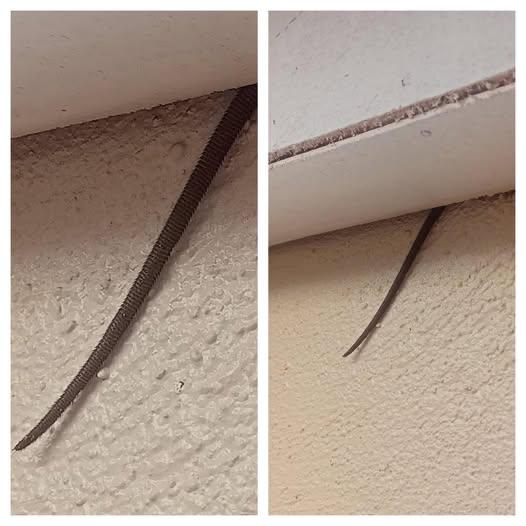
    When a Reddit user posted a photo of a strange, hairless object dangling from a gap in their ceiling, they thought they were asking a simple question. Instead, they triggered a full-blown internet spectacle. The image appeared harmless at first glance — a thin, dark, string-like piece of something slipping through a narrow ceiling crack. But once the original poster added one crucial detail, everything changed:

    “It moves.”

    That was enough to send Reddit spiraling into chaos. Within hours, the post racked up tens of thousands of upvotes and hundreds of comments as users across the platform tried to identify the unsettling mystery object. People zoomed in on the photo, examined every pixel, and launched their best theories — some scientific, many unhinged, all highly entertaining.

    The more users speculated, the stranger the suggestions became. At first, the obvious guess took the lead: a rat’s tail. Plenty insisted they’d seen tails like that in their attics, barns, and basements. One commenter declared himself a “rat expert,” proudly announcing the title despite admitting his only qualification was watching An American Tail repeatedly. He warned, with theatrical flair, that this could be “a decoy tail” and urged OP to call in backup.

    Others leaned into humor. Someone suggested it might belong to a New York-level rat — the kind that would square up and fight over leftovers. Another user encouraged OP to lick it for “proper identification,” a suggestion the entire comment section quickly escalated into a running joke. When OP refused to touch it, people accused him of lacking “scientific curiosity.”

    Still, not everyone was sold on the rat theory. Reddit being Reddit, the guesses ranged from the mildly plausible to the deeply deranged. Possum tail. Armadillo tail. Gecko. “A shadow.” “A haunting.” One person suggested a tampon string. Another insisted OP should “just push it back up and pretend you never saw it,” which somehow became one of the most upvoted jokes in the thread.

    But buried between the jokes were the truly concerned commenters urging OP to call an exterminator — or move — immediately. A growing percentage of Reddit went full scorched earth, insisting the only appropriate response was to burn the house down. When one user pointed out that if the creature was dead, the smell would eventually become unbearable, OP’s discomfort grew. And then the situation took an even creepier turn.

    “It started to wiggle and move,” he updated. “It’s gone now.”

    That short message sent a ripple of panic through the comments. Users who had been joking minutes earlier abruptly shifted into full horror mode. One person summed up the general mood:

    “If that thing disappeared back INTO the ceiling, you’re done. It’s not gone. It’s waiting.”

    Thousands of people held their breath waiting for the next update. When OP finally returned, he brought the answer nobody wanted but everybody expected.

    It was a rat’s tail.

    After the overwhelming chorus of users insisting that’s exactly what it looked like, OP confirmed it: “I’ll be calling an exterminator soon.” He admitted the idea of one rat was bad enough, but the phrase someone had posted — “Where there’s one, there are a hundred you can’t see” — was living rent-free in his mind.

    Unfortunately, that wasn’t an exaggeration. According to pest control experts, rats rarely live alone. They hide in attic insulation, inside walls, above ceiling panels, and in crawlspaces. People often live with rodents long before they see any signs. The usual giveaways include droppings, scratching noises, chewed packaging, nesting materials, and a persistent musky odor. A tail dangling from the ceiling, while horrifying, is just one of many ways infestations eventually reveal themselves.

    And it’s more than a nuisance. Rodents carry a long list of diseases, some of them severe. The CDC regularly warns about the risks of breathing dust contaminated with rodent waste, including hantavirus — the same virus linked to the 2025 death of Betsy Arakawa, Gene Hackman’s wife. Rats also chew wiring, destroy insulation, and can cause thousands of dollars in structural damage if left unchecked.

    Still, despite the real-life danger, Reddit turned OP’s discovery into one of the internet’s funniest — and most unsettling — viral moments of the week. The combination of fear, humor, and outlandish theories created a thread that was impossible to stop reading. Users acted like amateur biologists, rogue exterminators, armchair horror directors, and stand-up comedians all at once.

    The final takeaway? Sometimes the internet provides the answer you need — even if it’s not the one you want. And sometimes, glancing up at your ceiling can reveal something you will never unsee.

    A single dangling tail became a global moment of shared confusion, laughter, and revulsion, proving once again that even the smallest mysteries can take on a life of their own when Reddit gets involved.

    And if you ever notice something poking through your ceiling?

    Don’t lick it. Call an exterminator. And maybe sleep with the lights on.

  • What I Learned Too Late About My Fathers Sacrifice!

    What I Learned Too Late About My Fathers Sacrifice!

    I never expected a dusty cardboard box to undo years of assumptions I’d built about my childhood, but that’s exactly what happened the afternoon I finally opened it. It had been sitting in my closet for months after my father passed, tucked between old winter coats and boxes of holiday decorations. I kept telling myself I’d get around to sorting it, but part of me wasn’t ready. When I finally slit the tape and peeled back the flaps, I had no idea I was about to confront a truth I’d been blind to for most of my life.

    Inside was an old leather folder — the same one my father carried everywhere when I was growing up. I used to tease him about it, calling it “his ancient briefcase.” I always assumed it held bills, tax papers, maybe a spare checkbook. Nothing interesting. Nothing emotional. Nothing that could shake the foundation of who I thought he was.

    But the moment I opened it, I saw a neatly folded letter sitting right on top, addressed to me in my father’s familiar handwriting. The handwriting of packed lunches, school field trip forms, birthday cards. Somehow, seeing it again made my chest tighten. I sat down on the floor and began to read.

    His words were steady, measured — just like the man I remembered. He wrote about the years after my mother died, a time I had always remembered through the lens of a lonely, confused child. He explained why he worked so much, why he missed so many dinners, why he seemed distant in ways I once interpreted as emotional coldness. He wrote that he was terrified in those early years, trying to raise four children alone, trying to keep the mortgage paid and the lights on, trying to be everything at once without letting any of us see how scared he was.

    “I wasn’t absent because I didn’t care,” he wrote. “I was absent because I was fighting every day to keep life steady for you.”

    Every memory I had of him stumbling through the door late, eating reheated leftovers standing up at the counter, falling asleep in his chair before asking me about school — it all shifted. I remembered thinking he didn’t want to be around us, that he didn’t care about what happened in my life. But the truth was sitting there in ink: he cared so much that he sacrificed pieces of himself to make sure we never saw just how heavy the load was.

    Then I got to the part that stopped me cold.

    He confessed something I never knew, something I would’ve bet anything wasn’t true. All my life, I’d believed I’d earned my education through my own grit — the scholarships, the grants, the part-time jobs. I wore that belief like a badge. I told myself I’d succeeded without help. I told myself I’d made it on my own.

    But tucked behind the letter were receipts, payment confirmations, scribbled math notes showing savings goals. He had quietly been paying small but critical amounts toward my tuition. Whenever I thought a mysterious scholarship had come through or a fee had somehow disappeared from my bill, it was him. Working weekends. Taking extra night shifts. Cashing out unused vacation days. He made those payments without ever putting his name on them, because he wanted me to believe I had built my own future.

    “I wanted you to feel strong,” he wrote. “But I also want you to know now that I believed in your future more than I believed in my own comfort.”

    I pressed the paper to my chest, overwhelmed. For years I had resented his silence, his exhaustion, his absence from parent-teacher nights, my choir performances, the milestones I thought he didn’t care about. Now, suddenly, those absences were cast in a different light — the light of someone doing everything he could, quietly, relentlessly, with no expectation of thanks.

    At the bottom of the box was a small bundle wrapped in soft cloth. When I unwrapped it, I found his gold watch — old-fashioned, heavy, always ticking steadily on his wrist. I remembered teasing him about it, telling him everyone else had smart watches now, and he would just smile and say, “This one’s reliable. That’s enough.”

    On the back of the watch was a faint engraving I’d never noticed, worn by time and years of use. I tilted it toward the light and saw the initials of all four of his children. Underneath them were two simple words:

    “My purpose.”

    It hit me like a punch. This watch had traveled with him through every shift, every late night, every sacrifice. He’d carried us with him, literally pressed against his pulse, every day of his life.

    I took the watch outside and sat on the porch as the sun dipped low, turning the sky orange. I turned it over and over in my hands, feeling the smoothness of the metal, imagining all the years he wore it, all the moments he looked at it while thinking of us. I felt guilt for the years I’d misunderstood him, gratitude for the sacrifices he never mentioned, and a quiet awe for the strength he’d carried alone.

    In that sunset glow, it finally hit me: love isn’t always loud. It isn’t always expressed in hugs or long talks or emotional speeches. Sometimes it comes in the form of exhaustion, of quiet endurance, of sacrifices made in the dark when no one is watching. Sometimes it’s a man who misses recitals not because he doesn’t care, but because he is working to keep your world from falling apart. Sometimes it’s a folder full of hidden payments and a watch engraved with a purpose he never once spoke aloud.

    I closed the box, holding the watch in my palm, and made myself a promise: to live with the same quiet strength he carried. To let his sacrifices matter by choosing gratitude over resentment, understanding over assumption, and love over judgment.

    I learned too late what my father had given up for us. But I won’t waste the lesson.

  • What Makes Yellow Chicken Different from White Chicken?

    What Makes Yellow Chicken Different from White Chicken?

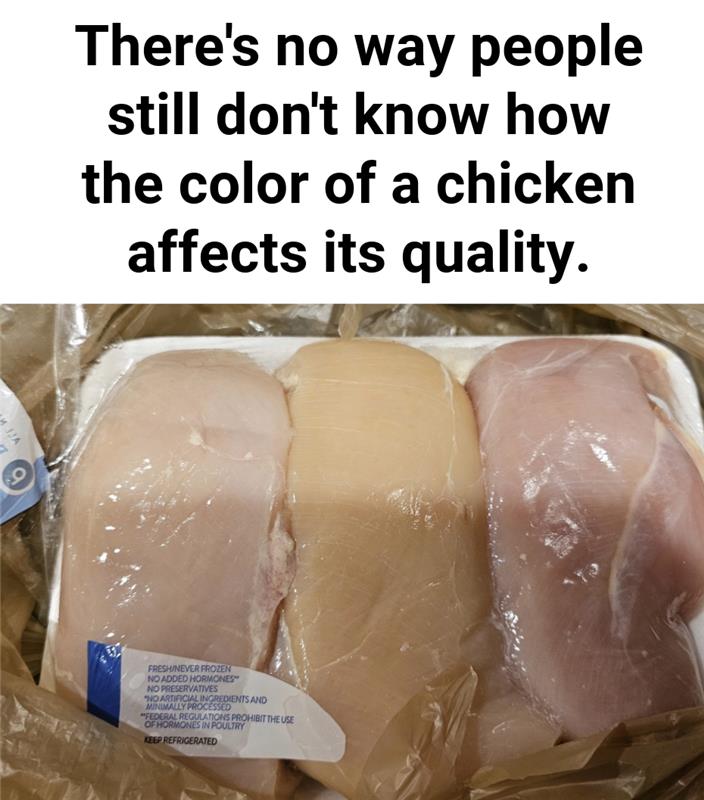
    Most people don’t think twice when they walk past the poultry section at the supermarket. A pack of chicken is a pack of chicken — or so it seems. But every once in a while, someone pauses and notices something odd. Two trays sit side by side, both labeled “chicken,” yet one is pale and nearly white while the other has a rich yellow tint. Same cut, same price range, completely different color. Suddenly the questions start: Is one fresher? Is one healthier? Did something go wrong with the pale one… or the yellow one? The truth behind the color difference goes deeper than most shoppers realize, and it says a lot about how chickens are raised, what they’re fed, and what kind of life they lived before ending up in a grocery cooler.

    White chicken — the kind most of us grew up seeing — usually comes from large commercial poultry farms. These birds are kept indoors in controlled environments, fed standardized diets heavy in corn, soy, and wheat. It’s efficient, predictable, and designed to grow chickens quickly with minimal movement. They spend their lives indoors with limited sunlight and little opportunity to forage or roam. As a result, their meat tends to be pale pink or even slightly bluish in some areas. The skin stays light because there’s no dietary pigment and very little natural carotenoid intake.

    Yellow chicken tells a different story. Birds raised more naturally — whether free-range, pasture-raised, or fed diets that include greens and marigold petals — ingest carotenoids that tint their skin and fat. These same pigments turn carrots orange and give flamingos their signature color. A chicken that roams outdoors, eating bugs, grass, seeds, and plants rich in natural pigments, will often develop a deeper yellow tone. Some regions of the world even consider yellow chicken superior in flavor and nutrition, associating the golden hue with old-fashioned farming and richer taste.

    Is yellow chicken healthier? It can be, but not automatically. The color hints at dietary differences, not quality on its own. Many pasture-raised birds are undeniably healthier — they get exercise, exposure to sunlight, and diverse nutrition. That lifestyle produces firmer muscles, better fat profiles, and more pronounced flavor. Their diets naturally contain antioxidants, omega-rich seeds, and leafy greens, all contributing to the yellowing effect. But the poultry industry knows consumers associate yellow chicken with “healthier,” so some farms add supplements like lutein or marigold extract to achieve the color artificially. It doesn’t make the bird unhealthy, but it does mean color alone can’t determine quality.

    Understanding labels helps. “Free-range” in the U.S. only guarantees access to the outdoors — not how often the chickens actually go outside. The door may open onto a small dirt patch they rarely use. “Pasture-raised,” on the other hand, indicates significant outdoor time and space. Organic certification restricts antibiotics and feed additives, and “Certified Humane” or “Animal Welfare Approved” labels provide even more assurance about living conditions. These details matter far more than whether the chicken is white or yellow.

    Flavor differences also trace back to lifestyle. Chickens that move more develop stronger, firmer meat, which holds up better in long cooking and carries deeper flavor. Many chefs prefer them for soups, stews, and braised dishes because the broth turns richer and the meat stays intact. Factory-farmed chickens, with their rapid growth and limited movement, produce softer meat with higher water content. That’s why some store-bought chicken breasts release excess liquid in the pan — it’s not your cooking; it’s the bird’s upbringing.

    Even chicken skin tells a story. In some cultures, yellow chicken skin is prized, associated with superior texture and deeper taste. In others, white skin is seen as “cleaner” or more neutral. Neither interpretation is wrong. Much of it comes down to generational preference, the foods people grew up with, and regional farming traditions. The skin color doesn’t determine safety or freshness, only diet and environment.

    If you want the best chicken — nutritionally and in terms of flavor — think beyond color. Choose birds from sources you trust. Look for firm texture, clean smell, and proper cold storage. Visit farmers markets if possible, where you can actually ask farmers what their chickens eat. If buying in-store, check for visible water pooling in the package — a sign of excess moisture content — and avoid any with a sour or metallic odor.

    The difference between yellow and white chicken touches on a broader truth: most people don’t realize how much lifestyle translates directly into food quality. Chickens raised in sunlight with space to roam, eating bugs and plants that mirror their natural diet, simply develop richer, more nutrient-dense meat. Chickens raised indoors in large-scale facilities grow bigger faster but without the depth of flavor or nutrient variation.

    At the end of the day, the color is just the first clue. The real story is in how the bird lived. A golden tint can signal a more natural upbringing, but only if the farming practices match the color. When in doubt, labels matter more than hue, and taste tells the rest.

    So next time you’re in the store and you see a pale breast next to a bright yellow one, don’t assume either is superior based on appearance alone. The truth is a mix of biology, diet, farming method, and regulation — and understanding that makes you a smarter shopper and a better cook. Whether the chicken ends up roasted with herbs, simmered in broth, or sizzling on a skillet, the real decision comes down to what you value: nutrition, ethics, flavor, or simply cost.

    Color may begin the conversation, but the deeper story — the life behind the chicken — is what truly separates one from the other.

  • Shania Twain Recent Performance Look Stirs Online Discussion!

    Shania Twain Recent Performance Look Stirs Online Discussion!

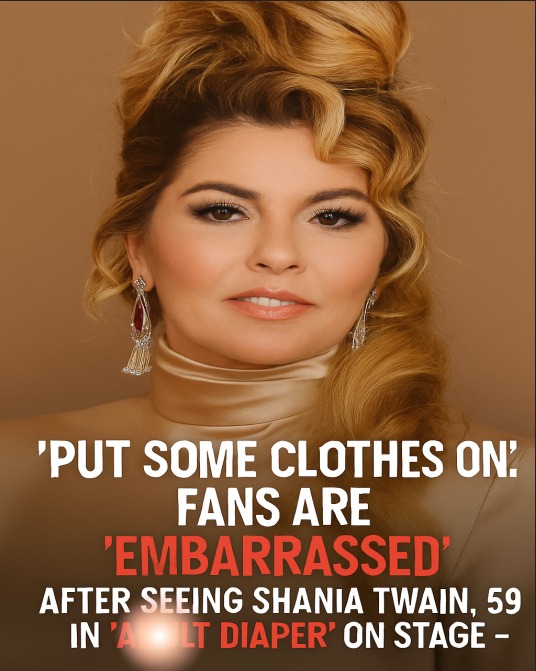
    Shania Twain has never been one to blend into the background, and her latest Las Vegas performance proved once again that she knows exactly how to command a stage—and the internet. After decades at the top of the music world, the 59-year-old superstar is still finding ways to surprise fans, and her recent look sparked a wave of online conversation that spread far beyond the concert hall. What began as another high-energy night in her residency quickly turned into a trending topic as videos and photos circulated across social platforms, drawing fascination, admiration, and plenty of commentary about her newest stylistic turn.

    Twain stepped under the lights wearing a bold metallic bodysuit crafted to echo the show’s electric pace. The outfit shimmered with every movement, its reflective textures and layered details catching the stage lights in a way that made her look almost sculpted from metal. Accessories amplified the effect—glistening accents, high-glam elements, and custom-designed features intended to sync with the production’s choreography and cinematic lighting. The moment she hit center stage, the visuals made it clear the look wasn’t meant to be subtle. It was built for spectacle, drama, and impact.

    Clips posted online captured the intensity of the performance: the lasers, the choreography, the swelling crowd, and Twain herself—confident, steady, and visibly enjoying the show. Audiences reacted immediately. Some viewers compared the look to iconic outfits from her earlier tours, calling it a modern evolution of the bold costumes she wore in the “Man! I Feel Like a Woman!” and “Rock This Country!” eras. Others pointed out that Las Vegas residencies are intentionally theatrical, pushing performers to elevate their visual identity to match the city’s over-the-top entertainment culture. In the mix were fans simply thrilled that Twain continues to take risks instead of falling into predictable patterns at this stage of her career.

    As the conversation grew, the tone shifted from pure curiosity to appreciation. Fans highlighted something critics often forget: stagewear is engineered for performance, not street style. Under heavy lighting, high-definition screens, and fast-paced choreography, costumes must be loud enough to hold the audience’s attention from a distance. What looks striking or unconventional up close may be exactly what a production needs to create magic from the back row. Twain has always understood that balance, and her willingness to lean into theatricality is part of what has kept her concerts visually unforgettable for three decades.

    Supporters also reminded newcomers to the fandom that Twain’s boldness isn’t new. From leopard-print ensembles to dramatic gowns, from powerful music videos to arena-sized illusions, she built her legacy on reinvention. Her willingness to experiment with sound, image, and persona helped reshape country music, turning it into something bigger, bolder, and more crossover-friendly. Even now, in her late fifties, she’s proving that evolution isn’t something reserved for early-career artists—it’s a creative mindset she never abandoned.

    The show itself was part of her Las Vegas residency celebrating the anniversary of Come On Over, the album that not only cemented her as a global force but also changed the landscape of modern country-pop. That record broke barriers, smashed sales records, and influenced a generation of artists who cite her as a trailblazer. The residency pays tribute to that era while spotlighting the fearless approach that helped her shape a new sound—one that blended country storytelling with pop confidence and rock energy.

    Offstage, Twain’s resilience remains a significant part of her story. She’s survived illness, personal upheaval, career pauses, and the kind of industry scrutiny that has ended many careers. Instead of fading, she reinvented herself, returning stronger with new music, renewed confidence, and a clear sense of identity. Her Vegas residency became a living tribute to that journey—a reminder that longevity in music isn’t an accident. It’s earned through grit, reinvention, and the guts to keep stepping forward.

    That’s why the online conversation surrounding her recent performance felt bigger than a debate about a bodysuit. It became a reflection of how much people still care about her, how invested they remain in her artistic choices, and how her presence continues to influence both nostalgia and current pop culture. For every commenter surprised by her look, there were dozens applauding her audacity, her confidence, and her refusal to shrink her vision to meet anyone else’s expectations. The reverence in many responses made one thing clear: Twain isn’t just performing her past—she’s still pushing herself creatively.

    And she isn’t slowing down. Each show in her residency has been met with strong reviews, sold-out crowds, and renewed interest from younger audiences discovering her catalog for the first time. As she revisits the songs that made her a global superstar, she brings a new depth and maturity that comes from years of experience, along with the same electric energy that made her famous. It’s a combination that resonates across generations.

    In the end, the buzz around her latest performance only reaffirmed something her fans have known for decades: Shania Twain doesn’t follow trends—she sets her own. Her bold fashion choices aren’t just costume decisions. They’re extensions of the artistic vision that has fueled her career from the beginning. Whether she’s wearing a shimmering metallic bodysuit, a classic country ensemble, or an elegant gown, she owns every look with the same certainty she brings to the microphone.

    Her recent appearance served as a reminder of what keeps people talking about her: the confidence to embrace change, the courage to be seen, and the instinct to reinvent without losing who she is. At fifty-nine, she’s still taking risks, still commanding stages, still making headlines—not because she’s chasing attention, but because she’s doing what she’s always done: performing with authenticity, power, and a flair that no one else can quite match.

    Shania Twain continues to evolve, and people continue to watch. That alone says everything about her staying power.

  • Prayers are needed for Ellen DeGeneres! What happened to her is terrible!

    Prayers are needed for Ellen DeGeneres! What happened to her is terrible!

    Ellen DeGeneres has spent decades in front of cameras, shaping a career that made her one of the most recognizable faces in entertainment. But the end of her talk show after 19 seasons marked a major shift in her life—one that pushed her away from the daily spotlight and into a quieter chapter focused on personal priorities. Even so, fans were shaken when troubling news surfaced about her health, stirring a wave of concern and sympathy online.

    The 64-year-old comedian had been dealing with the lingering aftermath of a COVID-19 infection she contracted at the height of the pandemic. What caught everyone off guard was the severity of the symptoms she described afterward—specifically, the sudden and “excruciating” back pain she said blindsided her. It wasn’t a symptom most people associated with the virus at the time, and her public admission sparked confusion, fear, and a lot of questions.

    Her diagnosis came in December 2020, back when the nation was still trying to understand how COVID behaved. DeGeneres announced that she had followed every recommended precaution, yet still contracted the virus. Days later, she posted an update for her fans, sitting upright on a couch but clearly drained. Despite looking tired, she insisted she was feeling “100%,” then added a detail that left people stunned: no one had warned her about the back pain.

    “What they don’t tell you,” she said, “is that COVID gives you extreme back pain. I didn’t know that until I talked to a few other people.” Her tone mixed frustration with disbelief—an honest reaction to a symptom many early COVID patients were discovering the hard way.

    Medical experts hadn’t yet connected the dots. The CDC did not list back pain as a recognized symptom during the early outbreak, instead grouping physical discomfort under “muscle or body aches.” That broad definition didn’t capture how intense some of the pain could be. In those days, people focused on fever, cough, shortness of breath, and the well-known loss of taste and smell. But as more cases piled up, so did reports of patients dealing with intense joint and muscle discomfort, especially in the back and shoulders.

    In the UK, the NHS later provided clarity. When people become ill, especially with something that forces them into isolation or bed rest, normal physical movement drops significantly. Less mobility means muscles stiffen, weaken, and become more prone to pain. The NHS noted that many people already had minor aches before COVID, but the virus—and the inactivity that comes with recovery—intensified them. Back pain became one of the most commonly reported lingering issues, especially for people who were previously active.

    A study conducted in Malta highlighted the growing problem. Before the pandemic, roughly 30% of participants reported chronic back pain. After COVID began spreading, that number jumped to nearly half, and many of those individuals had never experienced back problems before. DeGeneres was far from alone. Her honesty simply made more people realize what had been happening to them.

    Of course, back pain on its own doesn’t automatically point to COVID. Winter illnesses like the flu can create similar symptoms—body aches, stiffness, and fatigue. Pneumonia can trigger back pain as well, especially when inflammation affects the thoracic region near the lungs. Other signs such as fever, congestion, sneezing, or coughing often help distinguish one illness from another. But the reality is simple: COVID made life more physically taxing for many people, even those who experienced only mild respiratory symptoms.

    DeGeneres’ case brought attention to another issue as well—how drastically routines changed during lockdowns. With millions working from home, many were stuck at kitchen tables, couches, or makeshift desks for hours. Poor posture, limited movement, and stress created the perfect conditions for back and shoulder pain. Even those who avoided the virus found themselves dealing with physical issues tied directly to pandemic living.

    Her story painted a much larger picture: COVID affected far more than lungs. It hit bodies, routines, mental health, and lifestyles. And like many others, DeGeneres discovered just how much strain her body had been under once she slowed down.

    During this time, she also pulled away from public life. The controversies surrounding accusations of a toxic workplace environment pushed her to step back, reflect, and redirect her energy into something personally meaningful. She poured her time into her passion for wildlife conservation, establishing The Ellen DeGeneres Campus of the Dian Fossey Gorilla Fund in Rwanda—a massive undertaking that blended philanthropy, science, and environmental protection. It was a project rooted in compassion, far from the chaos of Hollywood headlines.

    Her return to television appearances—like her interview on Jimmy Kimmel Live!—showed a woman trying to move forward while still acknowledging the scars left behind. During the interview, she reiterated how much the back pain had shocked her, adding a touch of humor but also a dose of seriousness. Even with her upbeat tone, viewers could tell the experience had humbled her.

    Many fans found themselves resonating with her story. Countless people across the world had felt strange aches, unexplained pains, and long-term symptoms months after catching the virus. Hearing a celebrity describe the same struggle made them feel seen. The stigma around long-COVID symptoms made many individuals reluctant to talk about their lingering pain. DeGeneres unintentionally became part of the conversation simply by being honest about her experience.

    Back pain associated with illness often presents itself in various forms:

    a sharp or stabbing sensation

    a burning or radiating ache

    pain traveling down the leg

    pins-and-needles tingling

    difficulty moving or lifting objects

    a constant dull throb that won’t ease up

    She described it as severe enough to disrupt daily life—a feeling some compared to spasms or the pain from a slipped disc. The discomfort was intense, unexpected, and for many, frightening.

    What her fans didn’t expect was how much compassion surfaced in the comments once her story spread. People who had battled COVID shared their own experiences. Others who had lost loved ones expressed empathy. Many simply wished her strength and healing. A woman who spent years making others laugh was suddenly the one receiving support.

    Ellen DeGeneres’ journey through COVID and the unexpected pain that followed is a reminder of how profoundly the pandemic affected everyone, regardless of fame or wealth. Her decision to be candid about the struggle offered clarity at a time when the world desperately needed more transparency about the virus’s real effects.

    And while her back pain eventually eased, the story remains a snapshot of a moment in history—one where even the most familiar figures weren’t spared from the uncertainty, fear, and physical strain that defined the early pandemic years.

    If anything, her experience underscored a truth many learned too late: COVID wasn’t just a respiratory virus. For countless people like DeGeneres, it became a full-body battle—one that tested strength, patience, and resilience long after the initial symptoms faded.