Blog

  • Suspect Arrested After Early-Morning Shooting on South Side of St Cloud Leaves Two Injured

    Suspect Arrested After Early-Morning Shooting on South Side of St Cloud Leaves Two Injured

    In the hour when the sky is neither night nor morning, when most of the city is still asleep and the streets hum with nothing but the distant buzz of transformers, 8th Avenue South was jolted awake. What began as a muffled argument outside a row of modest houses turned, in seconds, into chaos—a sharp crack, then another, echoing through the narrow street like someone had split the quiet in half.

    At 4:20 a.m., two men lay bleeding on cold pavement. Porch lights flicked on. Curtains shifted. Dogs barked. And before anyone could even understand what they’d heard, a figure bolted between the houses, vaulting fences and disappearing into the maze of backyards that stitched the neighborhood together. The only thing louder than the gunshots was the sudden silence that followed—one thick with fear and with the sense that something familiar had just snapped.

    The first officers arrived within minutes. They stepped from their cruisers into ankle-deep shadows, weapons drawn, flashlights slicing through the darkness. The victims were conscious but stunned, one gripping his shoulder, the other bleeding from the leg, both insisting they “didn’t know what happened,” which—for the moment—might have even been true. Shock makes liars of everyone.

    The officers moved quickly, sealing off the block, placing cones beside blood drops, and marking the trail where the suspect had run. In the alley behind the houses, beneath a trash bin that had been knocked sideways in the suspect’s scramble, they found the handgun—still warm.

    By sunrise, yellow tape wrapped the length of the block like a warning ribbon. Detectives paced the pavement, photographing shell casings, sketching diagrams, and comparing witness accounts that contradicted each other in the way early-morning panic always does. One neighbor said the shouting was “about money.” Another swore it was “about a woman.” A third said there was no argument at all, only footsteps and two flashes.

    Whatever the truth was, it wasn’t clear yet. But what was clear was this: the stillness of the neighborhood had been ruptured, and no one who lived there would look at their street the same way again.

    By midmorning, security footage from a doorbell camera three houses down captured the suspect’s face—briefly, blurred, but enough. Patrol officers spotted him hours later walking along a bike trail three miles away, hoodie pulled low, hands shoved into his pockets. He tried to run, but exhaustion betrayed him; he made it twenty yards before he collapsed to his knees and gasped, “Alright. I’m done.”

    His name was listed as twenty-nine years old, recently unemployed, with a record that suggested he had always been balancing on the edge of something sharp. Now he faced first-degree assault charges that would almost certainly multiply once the full report was complete.

    Back on 8th Avenue, the day rolled on like a city trying to pretend everything was normal, though nothing felt normal. Police cars stayed parked near the intersection, officers knocking on doors, asking residents to recount—over and over—what they heard, what they saw, what they feared. Some neighbors answered eagerly, eager to take back control of the narrative. Others cracked their doors only a sliver, whispering that they wanted no trouble.

    The victims were taken into surgery. Both were expected to survive, though detectives admitted privately that survival didn’t always mean cooperation. Men involved in predawn street disputes rarely wanted to talk once the sun came up.

    Still, investigators pressed forward: matching ballistic patterns, reviewing the recovered weapon, tracing its serial number, cross-checking the suspect’s known associates, pulling cell tower data. A crime like this leaves a thousand loose threads, and the job now was to tie them together before any of them frayed into confusion.

    By afternoon, the mayor released a statement calling the shooting “unacceptable” and promising visible action. That meant extra patrols sweeping through nearby neighborhoods, increased presence near the university campus two blocks east, and late-night traffic stops targeting suspicious vehicles. Fear makes communities demand visibility, even if visibility alone doesn’t solve the problem.

    The university sent its own alert to students—stern, formulaic, and predictable: Avoid the area. Travel in groups. Report suspicious behavior. Keep doors locked. The kind of message that signals concern without stirring panic, though panic was already simmering.

    Local neighborhood groups did what they always do after violence: scrambled. Group chats lit up. A meeting was scheduled for the weekend. Topics included street lighting, porch cameras, window sensors, “community accountability,” and how to stop a bad moment from turning into a bad pattern. Everyone had ideas. No one knew where to start.

    Meanwhile, on 8th Avenue itself, life stuttered forward. Someone swept their front steps. Someone else carried out recycling. Children walked by the taped-off area on their way home from school, gawking at the forensic van as if it were part of a movie set. A few residents stepped onto their porches with arms folded, wanting to be seen but not spoken to, as if presence alone restored a sliver of control.

    As evening came, the block settled into an uneasy quiet—the sort that makes you listen too closely to every passing car, every distant shout, every sound that might be something or nothing. Crime scenes get cleaned up. Tape comes down. Police leave. But the echo lingers.

    An investigation will eventually lay out the events in clean lines: who said what, who escalated, who fired, why it happened, how it ended. It will assign responsibility and chart consequences. That part is relatively straightforward.

    What’s harder is the part the report will never touch: the way a single moment fractures a neighborhood’s sense of safety. The way families glance out their windows now, wondering if trouble will return. The way joggers alter their morning routes. The way porch lights stay on later, curtains stay closed tighter, and conversations with neighbors become just a little sharper, a little more careful.

    On paper, this will be a case closed—a suspect arrested, a weapon recovered, two victims expected to recover. But in the lived reality of the street where it happened, the aftermath is slower, quieter, and murkier. Healing a community after violence isn’t a matter of paperwork; it’s persistence.

    The residents of 8th Avenue South will rebuild their sense of normalcy in small increments—one morning dog walk, one friendly wave, one evening without sirens. And maybe, in time, the memory of this day will dull into something distant.

    But for now, everyone on that block knows exactly how quickly an ordinary morning can turn violent, how fragile quiet really is, and how one crack in the dark can ripple through an entire community before anyone even has time to put on their shoes.


  • WOW! Behind the Scenes! Mistakes and Bloopers From Gilligans Island! SOTD

    WOW! Behind the Scenes! Mistakes and Bloopers From Gilligans Island! SOTD

    Gilligan’s Island has been a comfort-show for generations—bright, silly, and endlessly rewatchable. But behind the coconut phones, makeshift huts, and cartoonish disasters, the series carried a surprising amount of behind-the-scenes chaos, quirks, and flat-out mistakes that slipped past millions of viewers. The show only ran three seasons between 1964 and 1967, yet it left enough charm and mythology behind to keep fans digging up trivia well into the 2020s. And the more you look, the more you realize how much unintentional comedy was happening outside the script.

    One of the clearest examples appears right in the season two opening credits. The Skipper and Gilligan wave from the deck of the S.S. Minnow as the “three-hour tour” sets sail, and most people naturally assume the seven castaways are on board. But freeze the wide shots and count carefully—you’ll notice eight people instead of seven. That’s because the real actors weren’t there that day. The crew used stand-ins to capture distant marina shots, never expecting fans to analyze it frame-by-frame decades later. It’s a small slip, but once you see the mystery extras, you never unsee them.

    The same thing happens in the episode The Friendly Physician, where the castaways briefly leave the island to meet a scientist who plans to swap their brains. During their escape attempt, the boat they’re sailing passes through what’s meant to be open ocean—but if you look past the foliage, you catch glimpses of the actual CBS studio lot. Buildings, rooftops, even glimpses of metal structures poke through, exposing the Hollywood set beneath the “remote” lagoon. The show usually hid these edges well, but this shot missed the mark.

    A darker historical footnote surrounds the filming of the pilot episode, Marooned. Production took place in Honolulu Harbor in November 1963, just as the crew learned President John F. Kennedy had been assassinated. Work halted while the country mourned, and when filming resumed, naval bases continued flying flags at half-mast. Those same flags ended up in the season one opening credits—an eerie, unintended tribute tucked into a goofy sitcom’s intro.

    Casting the Skipper was an adventure on its own. Alan Hale Jr. was filming Bullet for a Bad Man in Utah when he got the last-minute audition notice. Instead of politely declining, he rode a horse off the movie set, hitchhiked to Las Vegas, caught the next flight to Los Angeles, and arrived sweaty, dusty, and determined. He won the role on the spot, beating out future All in the Family star Carroll O’Connor. It’s the kind of wild scramble that feels pulled straight from a Gilligan episode.

    Not all bloopers were technical. Some came from the actors themselves. In an episode where the castaways get drunk on fermented berries while trying to trick a butterfly collector into helping them escape, Natalie Schafer—Mrs. Howell—plays dead drunk on the ground. But watch closely and you’ll see her eyes pop open for a moment. It’s quick, but it’s there. And the continuity slip is even funnier because the Professor, who once insisted he was allergic to alcohol, is shown drinking right along with everyone else.

    The pilot’s “raft adventure” also contains a buffet of flubs. The ocean wasn’t an ocean—it was a giant movie tank. You can spot the rim of the pool in certain angles, and at one point, the shadow of the boom mic sweeps across the raft. Later, when Gilligan hides inside a tree trunk and a woodpecker taps on his head, it’s another amusing impossibility—woodpeckers don’t live on isolated ocean islands. But the show wasn’t aiming for realism; it was aiming for laughter.

    Even the theme song has a past. When season one aired, “the rest” was all The Professor and Mary Ann got in the lyrics. It wasn’t until Bob Denver (Gilligan) advocated for his castmates that they were named outright, starting in season two. Fans still credit that change as one of the earliest examples of a star using his influence not for ego, but for fairness.

    As for the ship itself, the S.S. Minnow wasn’t named after a fish—it was named after Newton Minow, the FCC chairman who famously called American television “a vast wasteland.” Creator Sherwood Schwartz thought the jab was too good to pass up, so he turned Minow’s name into the show’s doomed tour boat. Subtle? No. Satisfying? Absolutely.

    Another recurring behind-the-scenes hiccup involved underwater sequences, especially in the episode So Sorry, My Island, which features a World War II sailor who never learned the war ended. When Gilligan “pilots” a one-man submarine—something Japan never invented—you can actually spot a diver’s air tank breaking the surface. The “submarine” periscope is literally attached to a swimmer paddling below, their flippers briefly visible. It’s ridiculous, but in the most Gilligan way possible.

    Then there’s the famous debate: Ginger or Mary Ann? Tina Louise and Dawn Wells became cultural opposites—glamorous redhead versus wholesome girl next door. Off-camera, though, the two women shared an easy warmth. Wells often said Mary Ann resonated more deeply with fans because she felt real and approachable, while Ginger brought Hollywood sparkle. Both actresses supported each other through long days on set and typecasting struggles afterward, forming a friendship that outlasted the series.

    Gilligan himself wasn’t immune to slipups. In the episode They’re Off and Running, Bob Denver accidentally flashes his real wedding ring. Gilligan was famously single, but Denver had been married four times. Fans noticed the ring decades later during reruns, turning it into one more delightful oversight in a show filled with them.

    Behind the laughter, time has thinned the cast. Of the original seven castaways, only Tina Louise is still alive today at 90. The others passed between 1989 and 2020, leaving her as the final keeper of the island’s legacy. She had a complicated relationship with the role—frustrated at being typecast—but she still receives letters thanking her for making people smile during difficult times.

    That’s the strange magic of Gilligan’s Island. The acting was broad, the science was nonsense, the scenery often betrayed its Hollywood roots—but the show radiated a kind of innocence that TV rarely touches anymore. Its mistakes have become part of its charm. They’re reminders of practical effects, tight budgets, and a cast who showed up every day to play, laugh, and make something audiences could escape into.

    A thousand rewatchers have spotted new flubs, shadows, props, and inconsistencies, yet none of it ruins the fantasy. If anything, it deepens the affection people have for the stranded seven. Gilligan’s Island is a time capsule, a reminder of when television wasn’t perfect and didn’t need to be.

    The castaways may never have escaped their fictional island, but their bloopers, brilliance, and behind-the-scenes stories keep them alive far beyond the lagoon—and fans wouldn’t have it any other way.

  • Put a roll of paper towel in your fridge! electricity bill is halved – SOTD!

    Put a roll of paper towel in your fridge! electricity bill is halved – SOTD!

    Most people grab a roll of paper towels without a second thought—wipe a spill, blot a countertop, dry a handful of rinsed berries, and toss it aside. It’s the most ordinary item in the kitchen, so simple it barely earns a place in your mind. And yet, the moment you place that same roll inside your refrigerator, it stops being a disposable inconvenience and starts transforming your food storage game. It sounds strange at first—why on earth would anyone keep paper towels in a fridge?—but once you understand how your produce behaves behind that cool door, the idea stops sounding quirky and starts sounding smart.

    Every fruit and vegetable you store is constantly releasing moisture. It doesn’t matter if you washed it or bought it clean. Moisture is part of the natural respiration process of produce, and the sealed environment of a refrigerator only amplifies it. The result is predictable: soggy lettuce, herbs that look like they’ve melted, berries growing white fuzz, and a crisper drawer that turns into a humid cave where vegetables go to die. Moisture is the number one enemy of freshness, and ironically, refrigerators—meant to preserve food—often trap moisture more than they remove it.

    Paper towels change that dynamic instantly. They act like a quiet, passive sponge, drawing in excess humidity before it clings to your food and accelerates decay. A single sheet can prevent a week’s worth of produce waste. People who try this trick usually become immediate converts because the difference is that dramatic. Suddenly, salad greens that used to wilt in two days still look crisp and bright on day five. Cilantro and parsley, which usually collapse overnight, stay upright and usable for nearly a week. Even firm vegetables like carrots, peppers, and zucchini stay far more stable when the air around them isn’t damp and heavy.

    When your produce lasts longer, everything else improves. You toss less food into the trash. You stop making emergency grocery runs in the middle of the week. You save money without trying. Produce isn’t cheap, and if you prefer fresh, organic, or bulk items, the cost of spoilage adds up fast. Stretching your produce lifespan even by a few days can save serious money over a month. And it’s not just about avoiding rot. Vegetables start losing flavor, nutrients, and texture long before they look spoiled. You can taste the difference between a crisp pepper stored correctly and a limp one drowning in humidity.

    Using this trick is effortless. Start by lining your crisper drawers with a couple of sheets of paper towel. As the week goes on, those sheets quietly absorb the water your vegetables give off. When they’re damp, swap them out for fresh ones. For produce stored in bags, slip a sheet inside and let it do the same job. It requires no learning curve, no special supplies, and no effort beyond remembering to replace the towels once in a while. It’s almost insulting how easy it is considering how well it works.

    The added bonus? Your fridge stays cleaner. Crisper drawers notoriously collect sludge from decomposing leaves, condensation, fruit juices, and mystery drips you can never quite identify. When paper towels intercept the moisture, the drawer stays dry, which means bacteria and smells don’t get a foothold. Cleaning becomes a quick wipe instead of a full scrub. Anyone who has ever dealt with a forgotten bag of spinach liquefying in the back of the fridge knows the value of eliminating those messes before they even start.

    Of course, some articles online overhype the effect, claiming that paper towels in the fridge will gut your electricity bill. That’s fantasy. But the truth is more subtle: a fridge that stays dry, organized, and not overstuffed tends to maintain a steadier temperature. When you’re not constantly adjusting items, removing spoiled ones, or opening the door more often to re-evaluate what’s edible, the appliance runs more efficiently. Older fridges especially struggle when moisture builds up, because humidity forces the compressor to work harder. So yes, there is a benefit to energy use, but it’s secondary. The main savings come from reduced food waste.

    This hack also fits neatly into the larger picture of good fridge habits—keeping airflow open, wiping spills quickly, storing food in the right zones, and not packing shelves so tightly that cold air can’t move. You don’t need a high-tech fridge to make your produce last; you just need to manage the environment inside it.

    Almost every household benefits from this trick. Families waste less produce and save money. People who meal prep appreciate how much longer their ingredients stay usable. Anyone living alone avoids the frustration of buying produce only to watch half of it spoil before they can finish it. Even kids are more likely to snack on vegetables when they actually look fresh instead of sad and wilted.

    And the beauty of this method is that it is universal. You don’t need a specific type of paper towel. You don’t even have to use disposable ones if you prefer sustainable options—clean dishcloths or microfiber towels do the job just as effectively and can be washed and reused. The concept remains the same: remove moisture and you extend life.

    Picture this: it’s the end of the week. Normally, you’d brace yourself for the guilt of throwing away slimy produce. But now, you open the fridge and see lettuce that still crunches, berries that haven’t started their downward spiral, herbs that still smell bright and alive. Instead of finding a drawer that resembles swamp water, you find a clean, dry surface protected by a sheet of paper towel. And your grocery budget thanks you.

    This trick isn’t flashy. It doesn’t require gadgets or fancy containers. But it works, and it works every time. Moisture is relentless, but so is a sheet of paper towel quietly doing its job in the corner of your refrigerator.

    Try it once and you’ll understand why so many people swear by it. A simple change, a small habit, and suddenly your kitchen runs smoother, cleaner, and cheaper—without you lifting a finger beyond placing a sheet of paper in the right spot.

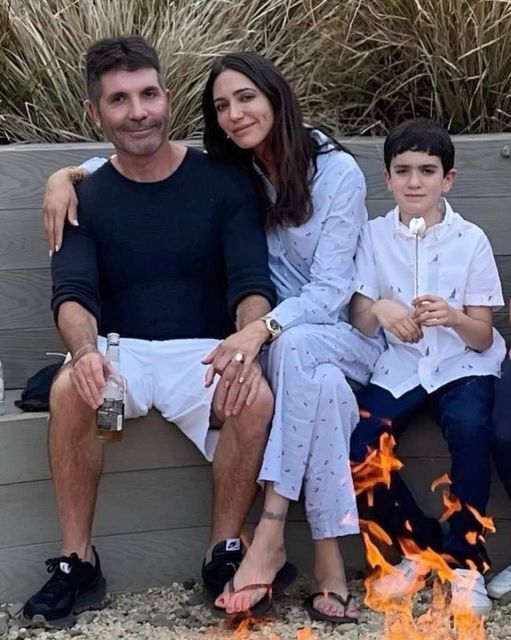
  • Simon Cowell is now a doting dad – but he has made a tough decision about his son that stirs up emotions!

    Simon Cowell is now a doting dad – but he has made a tough decision about his son that stirs up emotions!

    Simon Cowell’s rise from an unfocused young man drifting through the music industry to one of the most recognizable forces in global entertainment is a story built on blunt honesty, relentless ambition, and a career defined by sharp instincts. The polished version most people know now—Cowell the multimillionaire judge, the talent-spotter, the man who built empires out of televised auditions—was shaped by years of failure, reinvention, and a late-in-life shift into fatherhood that changed him more than fame ever did.

    Cowell didn’t begin with glamour. He started out as a restless teenager who dropped out of school and stumbled into EMI Records through his father’s connections. The work wasn’t glamorous; it was administrative, tedious, and far from the spotlight. But it placed him close to the one thing that always pulled him in: talent. His job was simple—listen, evaluate, and decide who might have a future. That skill, the ability to see potential before anyone else, became the backbone of everything he later built.

    His first attempts at running his own label were disasters. Twice he tried. Twice he failed. Both times he returned home, broke and humbled. Later, he admitted those failures were a weird relief—they forced him to stop pretending he had it all figured out. They gave him space to think clearly and restart with intention instead of ego.

    Out of that reset came S Records. It wasn’t flashy, but it worked. He signed boy bands like 5ive and Westlife, helped build them into chart-topping acts, and produced a massively successful 1995 cover of “Unchained Melody.” It wasn’t superstardom, but it was solid ground—finally.

    Then came the pivot that rewrote his life: television.

    When Cowell joined Simon Fuller to launch Pop Idol in 2001, no one predicted the cultural earthquake that followed. Cowell wasn’t just a judge—he became the show’s gravitational pull. He said what others wouldn’t, delivered criticism like a scalpel, and somehow made cruelty feel like clarity. Viewers were stunned, sometimes offended, but they couldn’t look away. The show exploded in popularity, and so did he.

    The American version took everything bigger. American Idol turned Cowell into a household name worldwide. His blunt “I’m just being honest” persona became iconic. Whether audiences loved him or loathed him, they listened. They cared. In entertainment, that’s everything.

    He didn’t stop there. He created The X Factor, Britain’s Got Talent, and later joined America’s Got Talent, building an empire across continents. His earnings skyrocketed into tens of millions a year. Today, his net worth sits comfortably in the hundreds of millions—a level of wealth that once seemed unthinkable given where he started.

    But money wasn’t the only transformation. Cowell also reshaped his appearance, openly embracing cosmetic procedures—from Botox to non-surgical facelifts to famously bizarre treatments like sheep-placenta facials. For a while, each season seemed to debut a slightly altered version of him. Eventually, even he admitted he went too far. His son, Eric, made a simple comment about his face looking strange, and Cowell pulled back completely. Now he sticks to a straightforward skincare routine and lets the rest go.

    His health reminded him he wasn’t invincible. In 2017, he fainted due to low blood pressure, and in 2020, he broke his back in a horrific e-bike accident that required a metal rod inserted during surgery. For months, he rebuilt himself—walking miles every day, focusing on strength until he could return to the life he knew.

    The biggest shift, though, wasn’t physical. It was emotional.

    When Eric was born in 2014, Cowell was unprepared. He’d never pictured himself as a father. He was in his fifties, working nonstop, consumed by his shows. Fatherhood wasn’t part of the script. But once it happened, it reoriented everything. He called Eric “the most amazing thing that ever happened” to him—a statement his longtime fans never expected to hear from the notoriously icy judge.

    Yet fatherhood didn’t soften his principles about money. Despite his massive fortune, Cowell has been clear that Eric won’t inherit it. Not because he doesn’t love him—but because he believes inherited wealth dulls ambition. Instead, he plans to donate his fortune to charity, arguing that what matters isn’t passing down money, but passing down opportunity and work ethic.

    He’s lived that belief. During the pandemic, Cowell donated heavily to food-support charities in the U.S. and the UK, contributing over a million dollars to help people struggling to feed their families. It was a reminder that beneath the sharp remarks and the tailored suits is someone who understands struggle far better than outsiders assume.

    Today, Cowell is a blend of all his eras: the ruthless talent scout, the unstoppable television creator, the man who rebuilt himself after injury, and the father trying to guide a son without drowning him in privilege. His decisions—whether professional, cosmetic, or parental—have sparked debates around the world, but that’s the nature of his influence. Cowell doesn’t drift quietly. He leaves marks.

    And maybe that’s why his story hits so many people. It’s not just about fame or fortune. It’s about someone who failed publicly, restarted from scratch, reinvented himself, and then reinvented himself again. It’s about a man who made a career out of telling uncomfortable truths, only to discover, late in life, that some truths—about family, responsibility, and legacy—hit harder than anything he’s ever said on camera.

    Simon Cowell’s legacy isn’t finished. He’s still shaping shows, still shaping talent, still reshaping himself. But fatherhood has undeniably shifted his priorities, grounding a man who once floated from project to project without pause.

    Whether you admire his sharpness or roll your eyes at his ego, one thing’s undeniable: he built one of the most powerful entertainment careers in modern history, then chose to raise his son with intention rather than indulgence. And that choice, more than the money, may end up being the most surprising chapter of his story.

  • My daughter-in-law snatched the bill at dinner, sneering, I cancelled your cards, I run this family now

    My daughter-in-law snatched the bill at dinner, sneering, I cancelled your cards, I run this family now

    My daughter-in-law staged her little coup under the soft golden lights of The Sovereign, Atlanta’s most self-important steakhouse—the kind of place where the chandeliers cost more than a starter home and every plate arrives arranged like it’s auditioning for a magazine cover. It was Jamal’s 38th birthday, a night that should’ve belonged to him. Instead, it became the night Tia decided to crown herself queen.

    I sat at the far end of the mahogany table, watching Jamal laugh louder than he needed to, surrounded by people who liked the look of him more than the man. Tia sparkled beside him in a red sequined dress, soaking up every stray beam of light in the room. Everything about her broadcast ambition disguised as confidence. Dinner had been a parade of excess—seafood towers defying gravity, wine bottles so expensive the waiters handled them like newborns. The moment dessert plates cleared, I felt the air change.

    Thomas, the waiter who’d served me for fifteen years, approached with the check. He didn’t even glance at anyone else. He knew the routine. But before he reached my hand, a red-tipped claw shot out.

    “I’ll take that,” Tia announced, snatching the bill folder with theatrical precision.

    The table fell silent. Even the neighboring tables turned. She tapped her spoon against her wineglass, demanding attention she didn’t deserve.

    “Everyone,” she said, rising like she was giving a State of the Union, “I have an announcement. From today on, Evelyn can finally relax.”

    My hands folded in my lap. That cold drift of calm washed over me—the kind you feel right before something irreversible happens.

    “Put your wallet away, Evelyn,” she said, all faux sweetness and sharpened edges. “I cancelled your platinum card this morning.”

    Jamal stared at the tablecloth. Wouldn’t look at me. Wouldn’t look at her. But he didn’t deny it.

    “We have Power of Attorney now,” she continued. “We’ve decided you shouldn’t be managing the finances anymore. You’re getting older. So from now on—” she lifted her chin “—I run this family.”

    There it was. The coup she’d been rehearsing. Served with tiramisu and arrogance.

    “Tia,” I said, voice low, steady, “give me the bill.”

    She laughed, waving my own card in my face. “This? Cancelled. You’re done making decisions. Right, baby?”

    Jamal nodded, teeth clenched, unable to meet my eyes. The betrayal hit harder than her little performance.

    But I just smiled—the kind of smile that had ended boardroom careers. “If that’s how you want to play it,” I said, rising, “who am I to argue?”

    She’d expected tears. A meltdown. A scene. Instead, I grabbed my purse, smoothed my jacket, and walked out with absolute composure. Her glare followed me like a weak spotlight. She thought I was retreating.

    I wasn’t.

    Outside, the Atlanta night wrapped around me like velvet. I sank into the backseat of my sedan and gave myself ten seconds to be wounded. Ten seconds to feel what my son had just done. Then the grief evaporated. The CEO returned.

    I pulled out my phone and dialed the number labeled simply: Sterling.

    “Good evening, Ms. Ross,” he said. “Problem?”

    “Yes,” I replied. “Activate Protocol Zero.”

    Sterling sucked in a breath. “That freezes everything. All accounts. All access.”

    “Exactly.”

    Within minutes, he was walking me through the sequence. Every account where Jamal was a signer? Frozen. The house card Tia stole? Flagged as stolen. Transfer limits on Jamal’s personal checking? Zeroed. Every financial artery they could use was clamped shut.

    “You realize, ma’am,” Sterling said carefully, “this will decline anything they try. Even small purchases.”

    “She wanted control,” I said. “Let her feel what happens when she grabs for it.”

    Ten minutes later, as predicted, my phone rang.

    Jamal.

    I let it ring. Twice. Then picked up.

    “Mom!” he shouted. “What did you do? The card declined—the waiter says it’s stolen—the police are here—”

    “Oh dear,” I said mildly. “That sounds difficult.”

    Tia grabbed the phone. “You evil old woman! You humiliated us!”

    “You claimed the card was cancelled,” I said. “I simply agreed with you.”

    “We can’t pay!” Jamal cried.

    “Then use your money.”

    Silence.

    Officer Green came on the line next. Polite. Embarrassed.

    I paid the restaurant directly to avoid them spending a night in holding.

    But the damage was done.

    The next morning, Niha sent the audit. Eighteen months of siphoning. Fake consulting LLCs. Fancy cars. Quiet vacations. Nearly $840,000 gone.

    And Jamal had signed every transfer.

    The board meeting was brutal and clean. Niha laid out the evidence on a massive screen. Tia tried to spin it as “branding work.” Jamal looked like he was being crushed from the inside.

    I removed him from the Board. Offered him a job in the mailroom. Minimum wage. No shortcuts. No pity.

    Tia stormed out, threatening lawsuits she couldn’t afford. Her name was scrubbed from every company record. The IRS took an interest in her “consulting” ventures. I didn’t lift a finger to stop them.

    Six months passed.

    Jamal texted me after his shift every night. Small steps. Small payments. Real accountability. The kind only hardship teaches.

    Mom, the sorting machine jammed again but I fixed it. I’m transferring $200 today. See you Sunday for dinner?

    He was rebuilding himself from the ground up. Finally.

    I looked out over Atlanta from my office window—my kingdom restored, my son slowly returning to himself.

    People say you can’t choose your family.

    They’re wrong.

    You choose who you protect. Who you let close. Who you trust again.

    I turned off the lights, heels clicking across the floor, steady as a heartbeat.

    The queen was still on the throne.

    And the kingdom, at last, was quiet.

  • SOTD! My Ex-Husband Took the House, the Car, and All Our Money in the Divorce, He Never Saw the Twist That Was Waiting for Him

    SOTD! My Ex-Husband Took the House, the Car, and All Our Money in the Divorce, He Never Saw the Twist That Was Waiting for Him

    When the judge struck his gavel and announced the final terms of our divorce, James looked like a man who’d just won the lottery. He strutted out of the courtroom with the swagger of someone who believed he had played the game better than anyone else. He got the house. He got the car. He got the bulk of our savings and most of the furniture we’d picked out back when we still pretended we were building a future. To the outside world, he looked triumphant. To him, this was proof of his brilliance, his strategy, his so-called dominance.

    But as I gathered my purse and walked out behind him, something he didn’t expect happened: I smiled. Not out of spite or delusion—out of clarity. He had no idea what he had actually “won,” and even less understanding of what he had just walked straight into. James had always confused shiny objects with real value, and that blindness was about to cost him far more than anything a judge could put on paper.

    Our marriage had been doomed long before we ever stepped into that courtroom. What began as charm and ambition on his part slowly revealed itself as a hollow obsession with status. James wasn’t driven by connection, love, or building something meaningful. He was driven by appearances—how things looked, how people reacted, how much admiration he could wring out of a room. I mistook his hunger for success as determination. Eventually, I learned it was insecurity dressed up as ambition.

    He wanted the right house, the right car, the right clothes, the right dinner reservations. I wanted a partner. Instead, I married a man who only loved the idea of having a wife—a prop that fit neatly into his curated image.

    The cracks grew deeper every year. He spent money faster than we earned it, chasing bigger paychecks, more recognition, more applause. I spent my energy trying to stabilize a life built on shifting sand. By year five, I realized our marriage wasn’t a partnership. It was a performance, and I was exhausted from playing a role I never auditioned for.

    But the real irony of it all? The one person James ignored the most was the same person who had set the stage for his downfall: my mother.

    He always underestimated her. She was quiet, graceful, and generous—everything he was not. When we bought the house that he proudly referred to as “his greatest accomplishment,” he conveniently forgot who made that possible. My mother had given us the down payment—a large one. Her only condition was simple: she would live with us when she grew older. James agreed instantly, barely listening, because all he heard was: We get the house.

    But my mother wasn’t careless. She kept every document. Every agreement. Every transfer. Every signature.

    And James never read a single piece of it.

    So when he demanded the house in the divorce, puffing up his chest like a peacock, I didn’t fight him. Not because I didn’t care—but because I didn’t need to. Letting him “win” was the smartest thing I could do. He thought he was walking away with the crown jewel. What he didn’t realize was that the jewel had an alarm system, a tracker, and a bill attached.

    Three weeks after the divorce, while he lounged in what he assumed was his victory throne, he received a packet from my mother’s estate lawyer. Neatly typed, professionally bound, and unavoidably clear. It stated that due to her financial contribution toward the purchase of the home, she retained a legal interest in the property—an interest that required immediate repayment if her original living arrangement agreement was voided.

    Meaning: if he wanted the house, he had to buy out her share.

    Meaning: if he planned to live there alone, he owed her money.

    Meaning: if he failed to comply, the property could be forced into sale.

    It was not a suggestion. It was enforceable.

    And my mother had already begun the process.

    I heard about his meltdown secondhand—how he yelled at the lawyers, how he argued that the divorce decree gave him the house free and clear, how he turned red trying to make sense of documents he had never bothered to read. His pride had convinced him he was untouchable. The law disagreed.

    The problem for James was simple: the house wasn’t fully his to begin with. And now that he had insisted on taking it, every obligation attached to it passed straight onto his shoulders.

    And those obligations were heavy.

    The mortgage he couldn’t comfortably pay alone. The property taxes. The buyout amount owed to my mother’s estate. The maintenance costs of a house far bigger than he ever needed. The car he kept in the driveway—one I had always said we didn’t actually need. And let’s not forget the savings he drained fighting for all those possessions, leaving himself stretched thin.

    When the dust settled, his prized “victory” became a financial chokehold.

    Meanwhile, I rented a small, sunny apartment closer to my job. I bought a simple used car outright. I cooked in peace, slept through the night, and reconnected with parts of myself I had forgotten while I was busy trying to keep someone else’s ego from collapsing. I felt light. Free. Whole.

    People asked if I regretted not fighting harder for the house or the money. I told them the truth: the things James clung to were never the things that mattered to me. And now they were the very things dragging him down.

    Real value isn’t found in granite countertops or luxury sedans. It’s found in independence, stability, and peace. It’s found in knowing you can rebuild, even after someone tries to strip you bare on paper.

    James won objects. I won my life back.

    And when his second envelope arrived—this one notifying him that failure to repay the financial interest would result in a lien on the property—I imagine he finally understood what he had actually taken in the divorce:

    A house he couldn’t afford.

    A car he didn’t need.

    A lifestyle he couldn’t maintain.

    And the loss of the one person who had been holding everything together.

    The twist wasn’t revenge. It wasn’t even planned. It was simply the truth catching up to him. He wanted everything.

    He never realized how much it would cost.

  • SAD! Michael Landon Daughter Finally Confirms What We all Thought All Along I cannot believe this

    SAD! Michael Landon Daughter Finally Confirms What We all Thought All Along I cannot believe this

    Michael Landon lived in the public imagination as the man who could steady any storm. On screen, he was the father everyone wished they had, the moral compass who guided families through hardship with unshakable calm and warmth. His smile felt like reassurance, his voice a promise that everything would turn out alright. But behind that familiar image was a man shaped by a past far more fragile, chaotic, and painful than most people ever realized. For decades, the reality of his early life remained out of sight—until now, when his daughter finally chose to reveal the truth about the father she loved, admired, and sometimes struggled to understand.

    To the world, Michael Landon radiated confidence. To his daughter, he was a survivor long before he became a star. She remembers a childhood filled with emotional landmines, moments where affection and fear existed side by side in their home. Michael’s mother lived with profound mental illness, and her unpredictable behavior cast long shadows across his early years. Some days were calm; others erupted without warning. A slammed door, a sudden outburst, a torrent of despair—Michael navigated it all before he was old enough to fully understand it. His daughter recalls how he described sitting on the edge of his bed as a boy, listening for changes in his mother’s voice the way a sailor listens to shifts in the wind.

    Growing up like that forced him to develop survival instincts early: anticipate danger, soothe conflict, carry burdens quietly. Those instincts became the emotional backbone of the characters he later portrayed. Every gentle smile, every thoughtful pause, every moment of fatherly wisdom on screen—those weren’t just performances. They were echoes of a boy who had learned how to keep the people around him from falling apart. His daughter says that once you understand where he came from, you can see that much of his work wasn’t acting at all. It was healing.

    Yet that same upbringing carved deep scars. Michael’s drive to succeed bordered on obsession. He needed control, stability, and visibility—things he never had as a child. On set, this manifested as perfectionism. He expected relentless professionalism from everyone, including himself. Cast and crew often saw him as demanding, sometimes intimidating, but his daughter explains that beneath that toughness was fear—fear of chaos returning, fear of losing everything he’d fought for, fear of returning emotionally to the place he’d escaped.

    Despite the pressure he put on himself, Michael carried an unusual tenderness. His daughter recalls how he tried to create at home the kind of safety and structure he never knew growing up. He was present, involved, and fiercely protective. He insisted on family dinners, asked about their day, and encouraged them to speak honestly. But his wounds sometimes showed through the cracks—moments where stress overwhelmed him, or where old insecurities resurfaced. He wasn’t perfect, and he knew it. What mattered is that he never stopped trying.

    His childhood wasn’t the only heavy piece of his past. Michael also lived for years with a silent fear of becoming like his mother—emotionally unpredictable, overwhelmed, undone by internal storms. That fear drove him to stability but also made him wary of vulnerability. His daughter explains that he found it easier to comfort others than to allow others to comfort him. It was his strength and his flaw.

    As he rose to fame, his private pain shaped the stories he chose to tell. On “Little House on the Prairie,” “Highway to Heaven,” and other projects, he insisted on narratives about forgiveness, compassion, fatherhood, and redemption. He believed television could do more than entertain—it could mend. Sometimes he rewrote entire scenes because he felt they lacked emotional truth. When fans later told him that his shows helped them through loss, loneliness, or trauma, he felt a quiet satisfaction few people ever saw.

    His daughter remembers him as someone who laughed easily but carried grief in the lines of his face. Someone who could brighten a room but sometimes retreated into it afterward, as though the brightness had cost him something. Someone who loved deeply but feared disappointing those he loved. Someone who built a career on being everyone else’s anchor while secretly fighting not to drown.

    His imperfections never erased his goodness; they explained it. Understanding the instability he endured makes his later generosity, creativity, and empathy even more powerful. He didn’t simply overcome his past—he transformed it. He turned fear into compassion, pain into art, instability into comfort that millions of viewers felt in their living rooms.

    When Michael Landon died, many mourned the loss of an icon. But his daughter mourned the man she finally understood in full—the man who carried childhood trauma with quiet resilience, who fought every day to give his family a different life, and who found ways to pour his brokenness into stories that made others feel whole.

    By sharing these truths now, she isn’t tarnishing his legacy. She’s completing it. The world saw the hero. She saw the human being who had to battle his own darkness long before he could lead anyone toward the light. And in telling his story honestly, she offers something he always wanted for others: understanding, connection, and the permission to embrace every part of oneself—including the parts shaped by pain.

    Michael Landon’s legacy isn’t just about the characters he portrayed. It’s about the courage it took to rise from a childhood that could have crushed him, the compassion he built from chaos, and the tenderness he learned to offer even when life had been anything but tender to him. His daughter’s revelations don’t rewrite what the world knows about him—they deepen it. They remind us that the strongest people are often the ones who had to build their strength from scratch, and that the kindness they show others comes from scars we never see.

  • WOWW, WATCH THE VIDEOo

    WOWW, WATCH THE VIDEOo

    Approaching women feels like a high-stakes moment for a lot of men. The pulse jumps, the mind scrambles for the right words, and suddenly something simple turns into a mental obstacle course. But the truth is far less dramatic. Confidence isn’t magic, and approaching someone you’re interested in doesn’t have to feel like defusing a bomb. With the right mindset, a bit of awareness, and a willingness to be real instead of rehearsed, the whole thing becomes surprisingly natural.

    Most men freeze up because they think they’re supposed to perform. They treat the interaction like a test they can fail, instead of a conversation between two human beings. Once you drop that idea, you start moving differently. Approaching a woman stops being a gamble and becomes a moment of curiosity—Who is she? What’s her vibe? Does she even seem open to being approached? The simple act of paying attention already puts you in a better position than half the guys out there.

    The first shift is internal. Instead of convincing yourself you need to impress her, focus on grounding yourself. Stand tall. Breathe normally. Keep your shoulders relaxed. The goal isn’t to project some exaggerated alpha persona; the goal is to look like someone who’s comfortable in his own skin. A woman senses that instantly—not because you’re loud or aggressive, but because you’re steady.

    Then comes the approach itself. Most men overthink the opening line, as if they’re writing the first sentence of a novel that the whole world will judge. In reality, simplicity wins. A polite “Hey, how’s your day going?” or “Mind if I join you for a minute?” works because it’s honest. You’re not hiding the intention. You’re not acting. You’re giving her the space to say yes or no without pressure. Respect is confidence in action.

    The second thing most men miss is reading the room. Approaching a woman isn’t a universal green light just because you want to talk. Context matters. If she’s rushing somewhere, locked into her headphones, or clearly focused on something else, let it go. Approaching at the wrong moment puts her on edge and puts you in an uphill battle. Pick your timing. If she makes eye contact, if she smiles, if she seems relaxed and available for conversation—those are green flags. Not guaranteed interest, but openness. And that’s all you need to start.

    Once you open your mouth, keep it simple. Ask something genuine. Make a comment about the environment. Share something light. The goal isn’t to deliver a perfect line; the goal is to create a moment where the conversation can flow. If you’re relaxed, she feels it. If you’re tense, she feels that too. You’re not trying to be clever; you’re trying to be human.

    A lot of men crumble because they think rejection is a verdict on their worth. It’s not. Most of the time, a “no” has nothing to do with you. Maybe she’s having a bad day. Maybe she’s not in the mindset to talk to someone new. Maybe she already has someone. Or maybe she’s simply not interested—and that’s allowed. Women are not slot machines where you insert charm coins and hope for a jackpot. They’re people with preferences, moods, and boundaries. Handle rejection with grace, and you instantly separate yourself from the noise.

    When the conversation actually gets going, your job is to listen more than you talk. Not the fake “I’m just listening to appear deep” kind of listening—real listening. Pay attention to what she says. Respond to it. Let her see that you’re engaged, not waiting for your turn to speak. Women can spot a rehearsed act from miles away. Authenticity is rare, and that’s exactly why it works.

    Humor helps, but don’t force it. Confidence helps, but don’t inflate it. What truly moves the needle is presence. When a woman feels like you’re there in the moment with her—not checking your phone, not scanning the room, not pretending—she relaxes. And when she relaxes, you actually get to see who she is, not just who she appears to be in the first thirty seconds.

    Most men think approaching women is about having tricks or tactics. It isn’t. It’s about understanding energy. If you walk up with anxiety, tension, desperation, or entitlement, the whole moment collapses. If you walk up with calmness, clarity, and respect, the moment opens up. You don’t need to be perfect. You just need to be grounded.

    Another thing men forget: approaching shouldn’t always lead to trying to “get” something. Sometimes you talk to someone, share a nice moment, and move on. That mindset alone removes half the pressure. When the outcome isn’t life-or-death for your ego, your conversations get cleaner, smoother, and more natural. Paradoxically, that’s when you become more attractive.

    There’s also a point about intention that most men avoid. If you’re approaching a woman because you’re lonely, bored, or trying to fill some emotional gap, it comes across instantly. Women feel that weight. But if you approach from a place of genuine interest—“I saw you, you caught my attention, and I wanted to say hello”—it feels lighter, more sincere. No hidden agenda. No emotional neediness. Just two people seeing what happens.

    Over time, as you practice approaching women with the right mindset, the nerves fade. It stops being a performance and becomes a skill—one that sharpens every time you try. You begin to recognize patterns: the subtle cues of openness, the shifts in body language, the difference between polite interest and real interest. And the more you see these patterns, the more confident you become.

    In the end, the point isn’t to approach every woman you see. The point is to know how to act when you genuinely want to make a connection. The point is to carry yourself like someone who respects himself and respects the people he interacts with. Approaching isn’t about winning; it’s about showing up honestly.

    Once that clicks, the whole experience transforms. It stops being nerve-wracking and starts being something you can actually enjoy. Because suddenly, you’re not a man trying to “get” something—you’re a man who’s open to possibility. And that’s the kind of energy people respond to.

  • Unexpected DNA Results Reveal Hidden Family Secrets!

    Unexpected DNA Results Reveal Hidden Family Secrets!

    When my husband, Caleb, found out he wasn’t our son Lucas’s biological father, everything in our world shifted in an instant. The ground beneath us—fifteen years of shared life, eight years of marriage, and four years of loving our little boy—suddenly felt unsteady. I never doubted my fidelity for even a heartbeat, so I did what any mother would do when the truth is questioned: I took my own DNA test, expecting it to shut down the doubt. I never imagined it would be the very thing to expose a deeper, unthinkable truth.

    The results came back with the same cold certainty: Lucas wasn’t biologically mine either.

    The child who had learned to walk while holding my hands, who slept curled against my chest during thunderstorms, who called me “Mama” with that sweet, earnest voice—he wasn’t born from my body. Not a single cell of him came from us. And yet every part of our lives had been built around him.

    The discovery arrived slowly, like a curtain being pulled aside in pieces. At first, it was Caleb’s mother who had planted the seed of doubt. She’d repeated it a handful of times—“He doesn’t look like our side of the family”—never malicious, but insistent enough that Caleb eventually caved and took the test. I remember the night the results came in. The room felt too quiet. Caleb’s face went blank. My heart didn’t just drop; it twisted, confused by something too big to process.

    He looked at me like he didn’t want to believe any of it. And I looked back at him with a certainty that ran through my whole body. Still, I took the test. And then the second blow landed. Zero percent.

    The silence that followed wasn’t angry. It was heavier. Like grief we couldn’t name yet.

    For two days, we barely spoke, not because we were avoiding each other, but because there were no words big enough for what we felt. It wasn’t betrayal. It wasn’t suspicion. It was bewilderment. A sense that the life we’d lived had rewired itself overnight.

    When the hospital confirmed the truth—that Lucas had been switched at birth—everything locked into place. Somewhere out there, another couple had been raising our biological son, Evan, with the same devotion and certainty we’d given Lucas. And we, without knowing it, had been raising theirs.

    The hospital connected us with the other family—Rachel and Thomas—and when we met, the moment didn’t feel like something out of a courtroom drama. It felt strangely peaceful, like two currents finally meeting in one river. The boys saw each other first. They didn’t hesitate, didn’t stare, didn’t question. They just ran to each other, laughing as though they recognized something the adults were too overwhelmed to see.

    That shook me more than anything—the simple innocence of their connection. No fear, no confusion. Just joy.

    Meeting Rachel was like looking into a mirror warped by circumstance but aligned by heart. She cried before she even said hello, and I didn’t judge her for it. I understood instantly. This was pain only a mother could feel—losing a child while simultaneously realizing she’d never actually lost him, just loved him in another form.

    We could have turned on each other. Blamed the hospital. Let bitterness consume everything. But none of us wanted that. None of us were willing to let anger define the story our children would grow up hearing. Grace was the only path that made sense.

    We decided, together, that neither family would lose a child. Lucas would remain our son. Evan would come into our lives. The boys would grow up with two sets of parents who adored them, not one. We refused to force a cruel trade. Love isn’t something you divide; it’s something that expands when it needs to.

    In the weeks that followed, I kept expecting to feel a shift inside myself—a sense of detachment toward Lucas, some biological void where maternal instinct should live. But it never came. Instead, the opposite happened. My love for him grew sharper. Fiercer. Biology suddenly felt like the smallest part of the equation.

    He had been mine in every hallway moment, every late-night fever, every bedtime story whispered when I was too tired to keep my eyes open. I had memorized his laugh long before I knew it shared no genetic link with me. What does DNA matter against the weight of lived moments?

    And then there was Evan. Meeting him was beautiful and painful all at once. He had Caleb’s smile. He had my eyes. He had a little dimple on his left cheek—the same one my grandmother used to poke when I was a child. Seeing my features on a stranger’s little boy felt like hearing my own heartbeat coming from outside my body.

    But it didn’t make Lucas feel any less mine. It simply made the world bigger.

    Caleb struggled in his own way. Not because he loved Lucas any less, but because the shock hit him differently. He had spent months wondering why his son didn’t resemble him, then discovered the reason was far more complicated than he ever imagined. Yet once he held Evan, once he watched Lucas and Evan play together with that unfiltered childhood joy, something inside him recalibrated. He realized fatherhood isn’t created by shared DNA. It’s forged in the quiet everyday choices—to show up, to protect, to nurture.

    Over time, our two families became something new. Not traditional. Not simple. But real. We celebrated birthdays together. We shared holidays. We talked through the hard parts, the confusing parts, the beautiful parts. The boys grew closer than brothers because they didn’t have to choose who they loved—they got to love everyone.

    What this entire experience taught me is something I never would’ve understood without living it: family isn’t formed by blood. Blood is merely the beginning of a story. The true bonds are built in the presence—day after day, moment after moment. They’re built in the sacrifices no one sees, the forgiveness that doesn’t need to be spoken aloud, the love that refuses to shrink under pressure.

    If the switch had never happened, we would have lived a perfectly ordinary life, never imagining the complexity of this alternate path. But because it did, our hearts had to stretch, break, mend, and grow in ways we didn’t know possible.

    Now, when I look at both boys, I don’t think about genetics. I think about the strange, divine way life sometimes rearranges our expectations to show us a deeper truth. These children—both of them—were entrusted to us for a purpose far beyond biology.

    And that is enough.

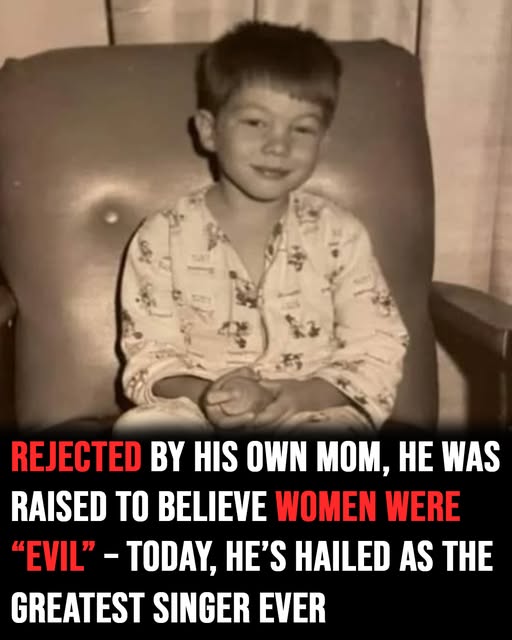
  • From childhood trauma to rock legend! How pain fueled a superstars rise!

    From childhood trauma to rock legend! How pain fueled a superstars rise!

    He grew up in a quiet Midwestern town, a place where the cornfields felt endless and the rules felt even tighter. Nothing about his childhood pointed toward the life he would eventually carve out for himself. No one looking at that red-haired kid in Lafayette, Indiana, could’ve predicted he’d become the electrifying frontman of one of the most iconic rock bands in history. What he endured early on could have swallowed him whole, but instead it became the fire that pushed him toward global fame.

    He was born in February of 1962 and named William, the son of a teenage mother and a young father described later as a charismatic but troubled delinquent. His parents split when he was just two. That should have been the end of the chaos, but it was only the beginning. Shortly after, his father abducted him and allegedly abused him before disappearing altogether. His mother remarried a man named Stephen L. Bailey, and William took on his stepfather’s last name, believing for years that Bailey was his biological parent. The truth only surfaced later, long after the damage had already shaped him. He would never meet his real father as an adult; the man was murdered in 1984.

    Home life under the Bailey roof was suffocating. Religion wasn’t simply a belief; it was an atmosphere that filled every room. They attended Pentecostal services multiple times a week, and the boy even taught Sunday school. But behind closed doors, the sermons about sin and purity twisted into something darker. His stepfather preached that women were evil. One day, the family might have a TV; the next, it would be thrown in the trash for being “Satanic.” Any hint of individuality, curiosity, or harmless fun became something to punish.

    The abuse wasn’t subtle. William once sang along to Barry Manilow’s “Mandy” in the car, only for his stepfather to strike him for singing a song he deemed immoral. What stunned him even more was his mother’s silence. She didn’t stop the violence. She didn’t shield him. She only stepped in after things got too far. As he later admitted in interviews, the rejection carved deep scars: he felt unwanted by his own mother from the time he was a baby. Years later, when he began writing songs full of fury, heartbreak, and emotional chaos, it wasn’t hard to trace the origin.

    School didn’t offer relief either. The red-headed boy with too much energy and too many dreams was an easy target. By eighth grade, he had already developed a reputation for standing up for himself, but that didn’t stop the bullying. His cross-country teammates taped his mouth shut once just to quiet him. Another time, they shoved him into a locker for talking too much about becoming famous. When he said, “I’m going to make it,” they laughed in his face. His coach remembered those moments years later, saying no one believed him—yet even back then, William said it with absolute certainty.

    His anger toward Indiana grew into something visceral. He once compared the state to a prison, even to Auschwitz, a statement that shocked many but made sense for someone who felt trapped his entire youth. By his late teens, a psychiatrist diagnosed him with bipolar disorder after mistaking his rebellion for psychosis. Whatever the label, it was clear he was drowning in rage and confusion, desperate for an escape route.

    Music became that escape. He’d been singing since age five, first in the church choir, then with his siblings in a small group called the Bailey Trio. He learned piano, joined the school chorus, and showed early signs of a raw, captivating talent. A fifth-grade teacher remembered him as brilliant and charming, the kind of kid who could take over a classroom with his confidence if you let him. Beneath the turmoil, there was a spark.

    At seventeen, after learning the truth about his biological father, that spark ignited into full rebellion. He didn’t drift into trouble—he plunged into it. Arrested more than twenty times for everything from public intoxication to minor offenses, he spent short stints in jail and seemed to be spiraling fast. With habitual offender status looming over him, he made a choice: he left Indiana behind for good.

    In December 1982, he arrived in Los Angeles with the determined, reckless energy of a young man who had burned every bridge on his way out. He wanted one thing—music—and he wasn’t going home until he claimed it. Influenced by the raw vocals of Queen, Aerosmith, and Elton John, he formed a band called AXL. Friends joked that the name suited him better than William, and soon enough he embraced the persona fully. William Bailey disappeared. Axl Rose was born.

    He legally adopted the name W. Axl Rose, taking his biological father’s last name—a symbolic reclaiming of an identity he’d been denied for years.

    In March 1985, Guns N’ Roses came to life from the merging of two gritty LA bands. The early lineup shifted quickly, but when Axl teamed up with Slash, Duff McKagan, Izzy Stradlin, and Steven Adler, the chemistry was undeniable. They signed with Geffen Records in 1986, and by the next year, they detonated onto the music scene with their debut album, Appetite for Destruction.

    At first, the world didn’t know what to do with them. Sales were slow. Radio stations hesitated. But the band toured relentlessly, winning fans one sweaty club at a time. Then the “Welcome to the Jungle” video hit TV, and “Sweet Child o’ Mine” exploded on radio. Suddenly, the album rocketed to No. 1. Axl’s voice—its wild range, its grit, its emotional punch—became one of the most recognizable sounds in rock. Appetite for Destruction went on to sell over 30 million copies worldwide, becoming the best-selling debut album in U.S. history.

    But fame fed the chaos already inside him. The late ’80s and early ’90s were a storm of legendary performances, backstage blow-ups, internal feuds, legal issues, and public controversies. Axl’s perfectionism clashed with everything around him. His temper became infamous. One of the most notorious incidents happened in 1991 in St. Louis, when he leapt into the crowd to stop a fan from filming. Minutes later, fed up with security, he walked off stage and ended the show. A riot followed.

    Still, beneath the volatility was a man wrestling with old trauma. In a candid interview, he once said a therapist told him his brain had been shaped by childhood abuse in ways that warped how he handled stress. When overwhelmed, he smashed things—not out of showmanship, but out of conditioning.

    His personal life was just as turbulent. His relationship with Erin Everly, whom he married in 1990, was both passionate and destructive. He wrote “Sweet Child o’ Mine” for her, but their marriage collapsed under emotional and physical abuse. She suffered a miscarriage during their troubled union and later sued him for the abuse she endured. They divorced in 1991.

    Despite the chaos, Axl Rose remained one of rock’s most iconic voices. In 2012, he was inducted into the Rock & Roll Hall of Fame with Guns N’ Roses—though in classic Axl style, he refused to attend.

    Even today, he’s still unpredictable, still fierce about his music, still capable of igniting headlines with a single outburst. Yet underneath the legend is a man who crawled out of an upbringing that tried to crush him. He turned trauma into power, rage into art, and a brutal childhood into a legacy that shaped rock history.

    Axl Rose didn’t simply survive his past. He weaponized it—and the world couldn’t look away.