Blog

  • This Hollywood stars real-life story is far more gripping than any of his movies!

    This Hollywood stars real-life story is far more gripping than any of his movies!

    For millions of moviegoers in the 1980s, Andrew McCarthy was more than a Hollywood heartthrob. He was the face of quiet longing, the soft-spoken counterweight to louder leading men, the kind of presence that made teenage crushes feel personal and strangely intimate. His image was taped to bedroom walls, tucked into notebooks, and burned into pop culture through films that defined a generation. Yet behind the camera-ready smile and carefully lit close-ups, his real life was far more turbulent—and far more compelling—than any role he ever played.

    Born in 1962 in Westfield, New Jersey, McCarthy grew up far removed from red carpets and studio backlots. He was raised in a middle-class household, the third of four boys, with no family ties to the entertainment industry and no clear roadmap to fame. His childhood was outwardly ordinary, but internally marked by isolation. As a teenager, he felt like an observer rather than a participant, a feeling that would later shape both his acting style and his struggles.

    Drawn to performance as a way to belong, he enrolled at New York University to study acting. It was supposed to be the first step toward something bigger. Instead, it nearly ended his ambitions altogether. He skipped classes, drifted, and was eventually expelled after two years. For most people, that would have been the end of the story. For McCarthy, it was the moment everything changed.

    Just weeks later, he answered an open casting call for a film called Class. Surrounded by hundreds of hopefuls, he assumed nothing would come of it. Instead, he was cast opposite Jacqueline Bisset in a provocative role that instantly put him on Hollywood’s radar. One week he was a failed college student; the next, he was a working actor with industry attention. When NYU offered to let him return and count the film as independent study, he declined. He was already moving forward.

    The mid-1980s turned him into a cultural phenomenon. Films like St. Elmo’s Fire, Pretty in Pink, Mannequin, and Weekend at Bernie’s cemented his status as a defining figure of the era. He was grouped with the so-called Brat Pack, a label that came with fame, scrutiny, and a narrative he never quite fit. While others leaned into excess, McCarthy recoiled from attention. He was introverted, anxious, and deeply uncomfortable with celebrity culture, even as it elevated him.

    That discomfort found an outlet in alcohol.

    What began as social drinking escalated as fame intensified. Alcohol became a tool—liquid confidence that quieted his fears and gave him a temporary sense of control. On screen, he was praised for sensitivity and emotional depth. Off screen, he was often hungover, disconnected, and unraveling. He later admitted that during some of his most beloved performances, he was barely holding himself together, physically and emotionally.

    Substances offered escape, but at a cost. While he avoided heavy drug use on set, he didn’t escape addiction. Fame amplified access and isolation in equal measure, creating the perfect conditions for self-destruction. By the late 1980s, the pressure and internal conflict became impossible to ignore.

    In 1989, just before filming Weekend at Bernie’s, McCarthy stopped drinking abruptly and withdrew from the social scene. For someone already comfortable with solitude, isolation wasn’t the hardest part. Staying sober was. A relapse during a later project triggered several years of decline, culminating in a physical and emotional collapse that forced him to confront reality. At 29, he entered rehab and committed fully to recovery.

    That decision marked the true turning point of his life.

    Sobriety didn’t just save him—it redirected him. As Hollywood’s obsession with youth shifted elsewhere, McCarthy quietly reinvented himself. He moved behind the camera, directing episodes of major television series and discovering a sense of authorship he’d never felt as an actor-for-hire. His work expanded into prestige television, where his sensitivity translated into strong storytelling instincts.

    Then came an unexpected second act: writing.

    McCarthy found a new voice as a travel writer, earning recognition for deeply personal, reflective essays published in outlets like National Geographic Traveler and Men’s Journal. In 2010, he was named Travel Journalist of the Year, a title that surprised many but made perfect sense to him. Acting and writing, he explained, were simply different forms of storytelling. Both required presence, vulnerability, and honesty.

    Travel, in particular, stripped away the noise. Away from expectations and identity, he found clarity. It sharpened his awareness, grounded him, and brought out the best version of himself—an experience many readers connected with in an era obsessed with reinvention, mental health awareness, and authentic living.

    His personal life evolved alongside his professional transformation. He married his college sweetheart years after reconnecting, became a father, divorced, and later remarried Irish writer and director Dolores Rice. Together they built a family and a life far removed from Hollywood spectacle. Today, he lives quietly in New York, raising children, directing television, and writing with intention.

    Decades after his Brat Pack peak, fans still respond to him with affection and nostalgia. Social media comments praise how well he’s aged, how timeless his appeal remains. But McCarthy himself resists romanticizing the past. He acknowledges the impact of those films without clinging to them. The admiration belongs to the audience’s memories, not his present identity.

    What makes Andrew McCarthy’s story resonate today is not his rise to fame, but his refusal to be defined by it. In an industry known for burnout, addiction, and early exits, he chose growth over collapse. He survived the machine, stepped away from the noise, and built a second life rooted in sobriety, creativity, and family.

    In a culture fascinated by celebrity comebacks, mental health journeys, and second acts, his real-life narrative stands as proof that success doesn’t have to be loud to be meaningful. Sometimes the most powerful story isn’t the one that makes you famous—it’s the one that teaches you how to live afterward.

    Andrew McCarthy didn’t just outgrow Hollywood. He rewrote the script entirely, and in doing so, created a legacy far richer than any role he ever played pasted


  • After a Passionate Wedding Night, Her Innocent Question Stunned Her Husband!

    After a Passionate Wedding Night, Her Innocent Question Stunned Her Husband!

    The morning after their wedding arrived quietly, wrapped in soft light and the kind of silence that only follows a night filled with emotion, celebration, and intimacy. The honeymoon suite still held the warmth of the hours before—the faint scent of perfume in the air, discarded clothes on the floor, and the unspoken awareness that everything had changed overnight. They were no longer just a couple. They were newlyweds, officially launched into married life.

    The night itself had been everything romantic comedies and late-night conversations promised it would be. Laughter came easily. Affection felt effortless. For two people who had spent months planning a perfect wedding, that first night together as husband and wife felt like a reward—personal, private, and deeply affirming. It was the kind of moment people later describe as magical, the beginning of a shared story they expect to tell for decades.

    By morning, the groom slipped out of bed and headed into the bathroom, still smiling to himself. The shower steamed up the mirror as he replayed pieces of the night in his mind, thinking about how surreal it felt to finally be married. When he turned off the water and reached out, reality interrupted him in the most mundane way possible. No towel.

    “Sweetheart?” he called out, voice casual. “Can you bring me a towel?”

    From the bed, his wife stretched lazily, still floating in that hazy post-wedding glow. She grabbed a towel from the chair and walked toward the bathroom without much thought, humming softly. This was already starting to feel like real life—small favors, shared space, comfort without ceremony.

    When he cracked the bathroom door open, still dripping from the shower, she instinctively glanced down, then back up, then down again. Her expression shifted—not shock, not embarrassment, but something closer to genuine curiosity. She frowned slightly, as if she were trying to solve a puzzle that hadn’t been mentioned in any premarital conversation or relationship advice column.

    She pointed hesitantly and asked, completely straight-faced, “Wait… what’s that?”

    For a split second, he froze. Of all the questions he expected to hear on the morning after his wedding, that was not one of them. His mind raced, trying to decide whether to laugh, explain, or wonder if exhaustion had somehow erased the previous night from existence. He chose humor.

    “That’s… what we had so much fun with last night,” he said, smiling awkwardly.

    She nodded slowly, absorbing the information like a student being introduced to a concept for the first time. Then she tilted her head, squinted slightly, and delivered the line that would forever define their honeymoon.

    “Oh,” she said thoughtfully. “Is that all that’s left?”

    There was a long pause. Then laughter exploded through the bathroom, the bedroom, and probably halfway down the hallway. He laughed so hard he had to grab the doorframe for balance. She laughed too, embarrassed but earnest, suddenly realizing exactly how her innocent question sounded.

    What had begun as a tender, intimate morning instantly transformed into a story that would outlive the wedding photos, the cake topper, and probably the marriage vows themselves. It was the kind of moment no one prepares you for when talking about love, romance, or marital expectations.

    The truth was simple: despite the passion of the night before, she had grown up sheltered. Conversations about intimacy were minimal. Education was theoretical at best. She knew enough to feel confident but not enough to anticipate every detail of real-life anatomy under bright bathroom lighting. The realization didn’t embarrass him—it endeared her to him even more.

    That single, innocent misunderstanding became a symbol of something deeper. Marriage, they would later realize, isn’t built on flawless knowledge or perfect timing. It’s built on patience, humor, communication, and the ability to laugh when reality doesn’t match expectations.

    In the age of viral wedding stories, relationship advice blogs, and social media highlight reels, this moment stood out precisely because it was human. It wasn’t polished. It wasn’t staged. It wasn’t optimized for likes or engagement. It was simply two people discovering that love doesn’t always look the way movies promise—and that’s exactly what makes it meaningful.

    Years later, they would still tell the story at dinner parties, usually after a glass of wine, always with the same ending: laughter. It became their reminder that no matter how serious life gets—mortgages, careers, kids, stress—there is always room for humor. Especially the unintentional kind.

    In a world obsessed with relationship perfection, this small moment carried a quiet truth. The strongest marriages aren’t built on knowing everything from the start. They’re built on learning together, asking questions without fear, and finding joy in the unexpected.

    That honeymoon morning didn’t go the way either of them imagined. And that, it turned out, was the perfect beginning.

  • My Boss Fired Me and Replaced Me with His Mistress – He Had No Idea I Was Three Steps Ahead of Him!

    My Boss Fired Me and Replaced Me with His Mistress – He Had No Idea I Was Three Steps Ahead of Him!

    Twelve years is a long time to give your life to a place that never intended to give anything back. I learned that the hard way, sitting at my desk in an office that smelled permanently of burnt coffee and stale ambition, staring at a man who had just decided I was no longer useful.

    My name is Misty. I’m thirty-seven, a single mother of two, and until recently I was the office manager at a mid-sized logistics company that ran almost entirely on my unpaid emotional labor. Payroll, schedules, contracts, vendor negotiations, reconciliations—I handled all of it. I was the invisible infrastructure, the reason deadlines were met and crises quietly disappeared before anyone else noticed.

    Or at least I was, until Rick decided to replace me with his mistress.

    Rick was my boss. The type who called women “hon” and “kiddo” and thought that made him charming. He considered himself progressive because he followed a handful of women on LinkedIn and once attended a diversity seminar he left early. He smiled constantly, especially when he was about to ruin someone’s day.

    I should have seen it coming. The warning signs crept in slowly, the way corporate betrayal always does. Nitpicking emails about formatting after twelve flawless years. Subject lines like “Font Issues” and “Margins” sent at 6:02 a.m. Calendar invites quietly disappearing. Projects I’d always overseen suddenly rerouted to Hannah, the new assistant—twenty-six, glossy, eager, and permanently attached to her phone.

    Rick hovered around her like a proud stage parent.

    “You’ve got a natural touch,” I overheard him say one afternoon. “People respond to that.”

    She giggled, loud enough to be heard across the breakroom. “I just smile and make eye contact like you said.”

    Then came the write-ups. One for being two minutes late after dropping my son at school. One for a “missing” budget file I had proof he’d approved. Then a team meeting where a project I’d managed end-to-end was announced as Hannah’s success. Rick didn’t even blink when our eyes met. He just smiled and reached for a donut.

    I knew something was wrong. I just didn’t know how bad.

    The truth came out on a Friday night, month-end chaos humming through the building. Rick had asked me to stay late—because I was “the only one who knew how to pull it together.” I stayed, even though my son was sick and my daughter had a test the next morning. Loyalty is expensive like that.

    As I walked past his office on my way to the breakroom, I heard my name.

    “Misty will be gone by next week,” Rick said, his voice smooth and intimate. “Once she signs, the position’s yours.”

    Hannah laughed. “You’re sure she won’t fight it?”

    “She’s predictable,” he replied. “She’ll take the severance.”

    I didn’t confront them. I didn’t cry. I pulled out my phone, opened the voice recorder, and captured enough to protect myself. Not revenge. Survival.

    Monday morning, Rick fired me with fake sympathy and a $3,500 severance offer. He called it generous. He asked for no drama.

    I signed everything without hesitation.

    What he didn’t know was that my silence wasn’t surrender—it was strategy.

    Instead of leaving the building, I went straight to HR.

    I reported discrimination, retaliation, and misconduct. I handed over the recording. I asked for reinstatement, compensation, and one non-negotiable condition: I would never work under Rick again.

    Three days later, Rick called me screaming. I calmly told him the call was being recorded. He hung up.

    That afternoon, HR called back.

    Rick was terminated. Effective immediately.

    Hannah was gone too.

    They offered me my job back—then made it better. A promotion. A salary increase. Flexible hours. A corner office with light that didn’t feel like punishment.

    I accepted, not because I needed validation, but because I needed stability for my children.

    The following Monday, I walked back into that building as someone who knew her worth. Rick’s nameplate was gone. Hannah’s desk was empty. My new office had better coffee and quieter walls.

    At home that night, my daughter told me she’d noticed I smiled during dinner. That alone made everything worth it.

    I didn’t win by being louder. I won by listening, documenting, and refusing to disappear quietly.

    Silence, when used correctly, is devastating.

    And sometimes the most powerful revenge isn’t payback—it’s standing exactly where someone tried to erase you, stronger than before, with receipts in hand and a future they never saw coming

  • House Passes Bill to Ban Gender Transition Treatments for Minors!

    House Passes Bill to Ban Gender Transition Treatments for Minors!

    The U.S. House of Representatives has approved legislation that would impose a nationwide ban on gender transition–related medical treatments for minors, setting off one of the most polarizing policy debates of the current congressional session. The bill, passed Wednesday by a narrow 216–211 margin, would criminalize the provision of gender-affirming care for individuals under 18, including puberty blockers, hormone therapy, and surgical interventions. Under the proposed law, medical professionals who provide such care could face penalties of up to ten years in federal prison.

    The vote, which followed largely partisan lines, immediately ignited intense reactions from lawmakers, civil rights groups, medical associations, and advocacy organizations. While the measure is widely viewed as unlikely to clear the Senate without significant bipartisan support, its passage in the House marks a symbolic and strategic victory for the conservative wing of Congress and underscores how central transgender health policy has become in national political discourse.

    Supporters of the bill framed it as a necessary step to protect children from what they describe as irreversible medical decisions made too early in life. Republican lawmakers argued that gender transition treatments for minors are experimental, ideologically driven, and lacking sufficient long-term evidence. They portrayed the legislation as a safeguard against what they see as the politicization of medicine and accused Democrats of prioritizing activism over child welfare.

    Opponents, however, described the bill in starkly different terms. Civil rights organizations labeled it one of the most aggressive anti-transgender measures ever advanced at the federal level, warning that it would override medical expertise, criminalize standard healthcare practices, and place the federal government directly between families and their doctors. Medical associations have repeatedly stated that gender-affirming care, when provided according to established clinical guidelines, is evidence-based and can be life-saving for some transgender youth.

    The bill’s advancement was driven in large part by pressure from Representative Marjorie Taylor Greene, who publicly pushed House leadership to bring the legislation to a vote. Greene characterized the bill as a fulfillment of a core campaign promise made by Donald Trump, aligning it with his broader platform opposing gender-affirming care. She argued that Congress must codify executive actions restricting such treatments to ensure they cannot be easily reversed by future administrations.

    House Speaker Mike Johnson faced internal pressure from conservative lawmakers who made clear that advancing the bill was a priority. The resulting vote highlighted growing influence from the ultraconservative bloc within the House, which has increasingly used procedural leverage to force votes on socially charged issues. For many observers, the bill’s passage was less about immediate legislative success and more about signaling ideological alignment ahead of future elections.

    Democratic lawmakers pushed back forcefully during floor debate, arguing that the bill substitutes political ideology for medical judgment. They emphasized that decisions about gender-affirming care are typically made after extensive consultation among families, physicians, and mental health professionals. By imposing criminal penalties, Democrats warned, the legislation would deter doctors from providing care, drive families out of state in search of treatment, and exacerbate mental health risks for transgender youth.

    Several Democrats also framed the bill as an infringement on parental rights, a concept often invoked by conservatives in other policy debates. They argued that the federal government has no role in overriding parents who, in consultation with qualified healthcare providers, decide what is best for their children. From this perspective, the bill represents a significant expansion of government power into private medical decision-making.

    Although the vote was largely partisan, a small number of lawmakers crossed party lines, reflecting the complexity of the issue. Still, the outcome underscored the depth of division in Congress over transgender rights, healthcare policy, and the role of government in regulating personal and medical choices. With multiple related bills already scheduled for consideration, the debate shows no signs of cooling.

    Legal experts have noted that if enacted, the legislation would almost certainly face immediate constitutional challenges. Questions remain about federal authority, states’ rights, equal protection, and whether criminalizing widely accepted medical practices would withstand judicial scrutiny. Previous state-level bans on gender-affirming care have already been tied up in lengthy court battles, with mixed rulings across jurisdictions.

    The broader political implications are equally significant. Gender-affirming care has emerged as a high-impact issue in conservative political messaging, frequently tied to debates about education policy, parental control, and cultural identity. For Republicans aligned with Trump’s agenda, the bill serves as a clear statement of values and a rallying point for voters motivated by social conservatism. For Democrats, it has become a flashpoint illustrating what they view as an erosion of civil liberties and scientific integrity.

    Advocacy groups on both sides have mobilized rapidly in response to the vote. LGBTQ+ organizations have warned that the bill, even if it does not become law, contributes to stigma and fear among transgender youth and their families. Conservative advocacy groups, meanwhile, have praised the House action as a long-overdue correction to what they see as unchecked medical practices influenced by progressive ideology.

    As the legislation moves to the Senate, its future remains uncertain. Senate leadership has not indicated strong support, and several moderate lawmakers have expressed reservations about federal criminal penalties in healthcare. Nonetheless, the House vote ensures that gender transition treatments for minors will remain at the center of national debate, particularly as the country moves deeper into an election cycle.

    What is clear is that this issue now extends far beyond healthcare policy. It reflects broader cultural conflicts over science, identity, parental authority, and the limits of government power. Whether or not the bill ultimately becomes law, its passage in the House signals how deeply these questions are shaping legislative priorities—and how fiercely contested the answers have become.

  • NOW – RIGHT NOW, PLANE WITH MORE THAN 244 ONBOARD JUST CRASH! See more

    NOW – RIGHT NOW, PLANE WITH MORE THAN 244 ONBOARD JUST CRASH! See more

    A major aviation emergency has sent shockwaves across the world after reports confirmed that a passenger aircraft carrying more than 244 people crashed earlier today, triggering an immediate large-scale response from emergency services and aviation authorities. As details continue to emerge, the incident is being described as one of the most serious potential air disasters in recent years, with families, officials, and global aviation experts anxiously awaiting verified information.

    According to local authorities, the aircraft went down under circumstances that remain unclear, prompting firefighters, medical teams, and rescue units to rush to the scene. Eyewitnesses described a terrifying sequence of events as the plane appeared to strike the ground and erupt into flames, sending a towering column of dark smoke into the sky. Residents near the crash site reported a thunderous impact followed by explosions and chaos, as emergency sirens quickly filled the air.

    Initial footage and images shared by witnesses show scorched debris scattered across a wide area, with rescue crews working under extreme conditions to contain fires and search for survivors. The scale of the response suggests officials are treating the incident as a mass-casualty aviation emergency, activating disaster protocols typically reserved for the most severe aircraft accidents.

    At this stage, authorities have not publicly confirmed the airline, flight number, or route of the aircraft. Investigators are working urgently to establish basic facts, including where the flight originated, its intended destination, and the exact number of passengers and crew onboard. Officials have emphasized that accuracy is critical and that premature releases could lead to misinformation, particularly given the emotional impact on families waiting for answers.

    Aviation safety experts say that investigations of this magnitude are complex and methodical. Early assessments will examine multiple potential causes, including mechanical malfunction, engine failure, adverse weather conditions, bird strikes, air traffic control issues, or pilot distress. Analysts stress that modern commercial aircraft are designed with multiple layers of redundancy, making crashes rare but often catastrophic when they occur.

    Hospitals across the region have been placed on high alert, with emergency departments preparing for an influx of patients. Trauma teams, burn units, and intensive care specialists have reportedly been mobilized as a precaution, even as the number of survivors remains unknown. Nightfall has further complicated rescue operations, forcing crews to rely on floodlights and specialized equipment to navigate unstable wreckage and limited visibility.

    Families of passengers have begun gathering at nearby airports and airline service centers, desperate for confirmation about their loved ones. Crisis counselors and support staff are being deployed to assist relatives as authorities work to compile passenger manifests and establish official communication channels. Officials have reiterated that families will be notified directly before any public release of confirmed identities, in accordance with international aviation disaster protocols.

    The global aviation community is closely monitoring the situation. If confirmed, the crash would rank among the most severe aviation accidents in recent memory, reigniting conversations about airline safety standards, aircraft maintenance, pilot training, and emergency response readiness. International regulators and aircraft manufacturers are expected to participate in the investigation once jurisdiction is formally established.

    World leaders and aviation officials have expressed concern as reports spread, underscoring how interconnected global air travel has become. A single major aviation disaster reverberates far beyond national borders, affecting passengers from multiple countries and raising immediate questions about safety, accountability, and prevention.

    Despite the gravity of the situation, officials continue to urge caution. In the aftermath of major plane crashes, early reports are often incomplete or inaccurate. Search-and-rescue operations can take hours or even days to confirm casualty numbers, and investigators warn against speculation until black box data, radar records, and eyewitness testimony are fully analyzed.

    What remains undeniable is the emotional toll. Communities around the world are holding their breath, clinging to hope amid uncertainty. Social media has filled with messages of prayer, solidarity, and grief, reflecting the collective anxiety that follows news of large-scale aviation emergencies.

    As rescue efforts continue and investigators work through the night, attention remains fixed on one question above all others: whether there are survivors. Officials have promised to provide updates as soon as verified information becomes available, stressing that transparency and accuracy will guide every announcement.

    For now, the world watches, waits, and hopes—while aviation authorities prepare for a full-scale investigation aimed not only at understanding what went wrong, but at ensuring that such a tragedy, if confirmed, never happens again.

  • SOTD – B-2 Spirit was shot down to!

    SOTD – B-2 Spirit was shot down to!

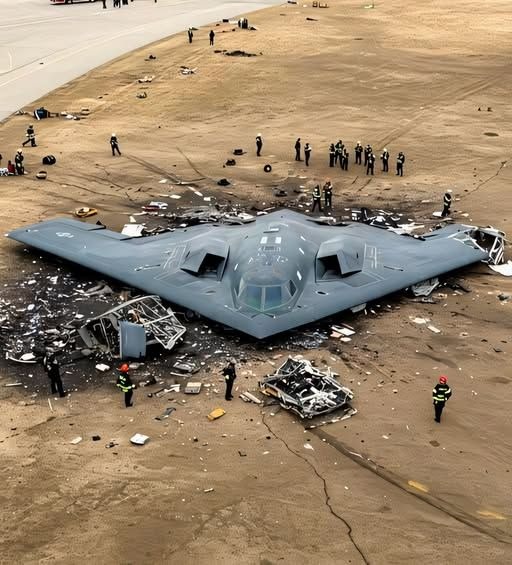
    For years, rumors have circulated online claiming that the B-2 Spirit was shot down during a covert mission. These claims continue to resurface across forums, social media, and fringe news sites, often framed as suppressed military secrets or classified wartime losses. Yet despite the persistence of such narratives, there has never been a single credible report confirming that a B-2 Spirit was destroyed by enemy fire. Every verified loss involving the aircraft has been traced to accidents or mechanical failures—not hostile action.

    The B-2 Spirit is not just another military aircraft. It is one of the most advanced, expensive, and closely protected weapons platforms ever developed. Designed during the Cold War to penetrate the most sophisticated air defense systems on Earth, it represents the pinnacle of stealth bomber technology. Its combat record, operational history, and technical design make the idea of it being casually shot down highly implausible—and unsupported by evidence.

    To understand where fact ends and fiction begins, it is essential to look closely at the only confirmed incidents involving the B-2 and to examine why this aircraft remains extraordinarily difficult to detect, track, and engage.

    The first and most well-documented loss occurred on February 23, 2008, at Andersen Air Force Base. Shortly after takeoff, the aircraft experienced a catastrophic failure and crashed near the runway. Both pilots successfully ejected and survived, a testament to rigorous training and emergency systems. The loss marked the first complete destruction of a B-2 since the aircraft entered service in the 1990s.

    An extensive investigation by the U.S. Air Force determined the cause was not pilot error or enemy interference, but a highly specific technical issue. Moisture had entered the aircraft’s air data sensors, which feed critical information—such as airspeed and angle of attack—into the flight control computers. The corrupted data caused the system to miscalculate performance parameters during takeoff. As a result, the aircraft rotated prematurely, stalled, and crashed moments later. The bomber, valued at approximately $1.4 billion, was deemed a total loss. No evidence of sabotage, attack, or external interference was ever found.

    A second incident occurred on September 14, 2021, at Whiteman Air Force Base, the primary operating base for the B-2 fleet. During landing, another B-2 sustained damage and was removed from service pending investigation. While details were limited due to operational security, officials confirmed that the incident was unrelated to combat and involved no hostile activity. Once again, speculation online filled the information gap, but no credible military or intelligence source supported claims of enemy engagement.

    Despite these clear explanations, conspiracy theories persist, often referencing conflicts such as the NATO bombing campaign over Serbia or hypothetical encounters with advanced air defense systems. These stories typically rely on anonymous sources, misinterpreted radar anecdotes, or recycled misinformation. None have been substantiated by declassified documents, satellite imagery, pilot testimony, or allied intelligence agencies. In the world of modern military aviation, such a loss would be impossible to conceal indefinitely.

    The reason these rumors endure lies partly in the mystique surrounding the B-2 Spirit itself. The aircraft was engineered specifically to avoid detection and destruction. Its distinctive flying-wing design drastically reduces radar cross-section, eliminating vertical surfaces that typically reflect radar signals. Advanced radar-absorbing materials coat the aircraft, converting incoming radar energy into heat rather than reflected signals. On radar screens, the B-2 can appear no larger than a bird, making reliable tracking exceptionally difficult.

    Infrared detection is also minimized. The B-2’s engines are buried deep within the wing, and exhaust is cooled and diffused to reduce heat signatures. This design complicates targeting by infrared-guided missiles, which rely on thermal contrast to lock onto aircraft. Combined with high-altitude flight profiles, the bomber often operates beyond the effective reach of many surface-to-air missile systems.

    Electronic warfare capabilities further enhance survivability. The B-2 is equipped with classified countermeasures designed to jam, deceive, or overwhelm enemy radar and targeting systems. Its missions are planned using extensive satellite intelligence, threat modeling, and route optimization to avoid known air defense zones entirely. In practice, the bomber’s strategy is not to outrun or overpower defenses, but to never be seen in the first place.

    Operational history supports this reputation. The B-2 has flown combat missions in Kosovo, Iraq, Afghanistan, and Libya, often striking heavily defended targets without loss. In 1999, when a U.S. stealth aircraft was famously shot down over Serbia, it was not a B-2 but an older F-117 Nighthawk, whose stealth technology was far less advanced and whose flight patterns had become predictable. That distinction is often ignored by those conflating unrelated events.

    The B-2 fleet is small—fewer than two dozen aircraft were ever built—and every mission involves extraordinary levels of secrecy and support. Any confirmed shootdown would trigger immediate international consequences, emergency recovery efforts, and long-term strategic fallout. The absence of such evidence speaks louder than speculation.

    Today, as geopolitical tensions rise and next-generation systems like the B-21 Raider emerge, the B-2 Spirit remains a symbol of American airpower, advanced aerospace engineering, and strategic deterrence. Its losses, though rare and costly, have been transparent and technical in nature, not the result of hostile fire.

    In the end, the facts are clear. The B-2 Spirit has never been shot down. Every verified incident has been investigated, documented, and attributed to non-combat causes. The rest is rumor—amplified by mystery, misunderstanding, and the enduring fascination with one of the most secretive aircraft ever to take flight.

  • A Small Inheritance with a Lasting Meaning!

    A Small Inheritance with a Lasting Meaning!

    When my father died, grief did not arrive as a dramatic collapse or a cinematic breakdown. It moved in quietly, settling into the corners of ordinary days. It showed up when I reached for my phone to text him something trivial, when I passed his favorite chair, when silence lingered a little too long. Loss didn’t shout. It stayed.

    The reading of the will was brief and procedural, stripped of emotion by legal language and polite pauses. My half-sister sat across from me, composed and expectant. She inherited the house, the savings accounts, the investments, the items that carry obvious financial value and social weight. Then the attorney looked up and read my name.

    I was left one thing.

    My father’s old cactus.

    It was the same cactus that had sat by his living room window for decades, its shape awkward, its color duller than most plants you’d buy on purpose. My half-sister laughed—an unguarded, dismissive sound—and said she had children to think about, real responsibilities, real needs. She added that at forty-two, I was surely fine with something small. The implication was clear: I should be grateful, quiet, and not make things uncomfortable.

    I didn’t argue. I didn’t explain. I picked up the cactus when the time came, cradling the cracked ceramic pot like it mattered, and carried it home. That night, I placed it on my kitchen table and stared at it longer than I expected. It wasn’t decorative. It wasn’t impressive. It wasn’t worth anything on paper. But it felt deliberate.

    My father had never been good with speeches or emotional clarity. He communicated in small gestures, in habits, in things that lingered. And the more I sat with that plant, the more I realized how much of him lived inside it. He used to say the cactus reminded him of resilience. It didn’t need much water. It survived neglect, endured long dry stretches, and still found a way to grow. He admired that. In some quiet way, he lived by it.

    Three days later, my half-sister called.

    Her voice was different—measured, careful. She said she’d been thinking about the cactus. Said it meant more to her than she initially realized. Asked if I’d consider giving it to her after all. I listened without interrupting. Then I told her no.

    Not out of spite. Not out of revenge. But because that plant was the only thing that felt untouched by negotiation, resentment, or accounting. It was the one part of my father’s life that hadn’t been divided, evaluated, or priced. It was personal.

    Weeks passed. The cactus became part of my routine. I learned when it needed water, when it didn’t. I rotated it toward the light. I noticed small changes—new growth, tiny signs of life that would have been easy to miss if I weren’t paying attention. In a world obsessed with visible success, it demanded patience instead.

    One afternoon, I decided to repot it. The soil was old, compacted, tired. As I gently loosened the roots, my fingers brushed against something firm and unfamiliar. I paused. Carefully, I brushed away the dirt and uncovered a small, sealed envelope, yellowed with age but intact.

    My hands shook as I opened it.

    Inside was a short handwritten note from my father. No dramatic confession. No apology tour. Just honesty. He wrote that he knew he hadn’t always done things right. That he’d made mistakes, some he could fix, some he couldn’t. He wrote that he was proud of me—not for achievements or milestones, but for building a life rooted in kindness rather than expectations. He said the cactus was never meant to be “just a plant.” It was a reminder that worth isn’t measured by appearances, assets, or inheritance lists.

    Reading those words, something shifted.

    He had known exactly what he was doing. He understood how things would look on the surface. He chose simplicity over spectacle, intention over optics. In a culture obsessed with wealth distribution, estate planning drama, and family conflict after death, he left me something quieter and far more enduring.

    I didn’t tell my half-sister about the note. Not because I wanted to deprive her of anything, but because that message wasn’t communal. It wasn’t meant for debate or validation. It was meant for me. Inheritance doesn’t always mean entitlement. Sometimes it’s a private transfer of meaning, invisible to everyone else.

    Today, the cactus still sits by my window. It doesn’t draw attention. Visitors don’t comment on it. It doesn’t signal status or success. But it grows. Slowly. Persistently. It reminds me that legacy isn’t always loud, and love isn’t always obvious. Some of the most valuable gifts come disguised as nothing special at all.

    In a world driven by material inheritance, family estate disputes, and financial planning narratives, I learned a different lesson. The things that last aren’t always the things people fight over. Sometimes they’re the quiet objects that carry memory, intention, and truth—waiting for the right person to notice.

    And every time I water that cactus, I’m reminded that my father finally found the words he couldn’t say out loud. He just hid them somewhere only I would think to look.

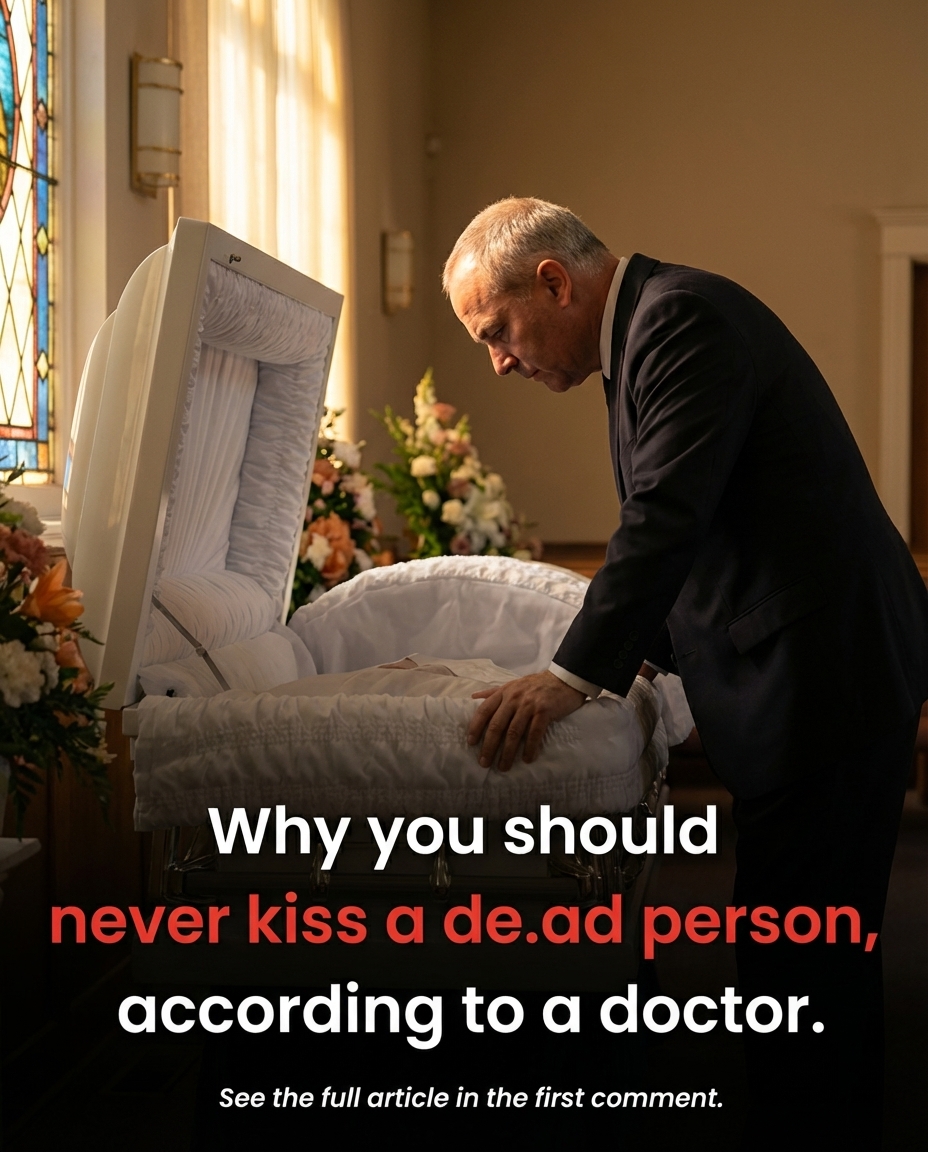
  • What to Know Before Physical Contact with a Loved One After Death!

    What to Know Before Physical Contact with a Loved One After Death!

    In the stillness that follows a death, time seems to slow and sharpen at the same moment. Ordinary sounds fade, thoughts drift, and what remains is a powerful urge to stay close to the person who has just slipped away. For many, that instinct takes the form of touch: a hand held a little longer, a kiss placed gently on a forehead, a moment spent leaning in as if presence alone might soften the finality of loss. These impulses are deeply human. They are not signs of denial or confusion, but expressions of love, attachment, and the need for closure at a moment when words feel inadequate.

    Yet alongside that emotional reality exists a quieter, practical truth that few people are prepared for in advance. The human body changes rapidly after death, and understanding those changes can help families navigate their final goodbyes with clarity rather than regret. Knowledge does not take away tenderness. Instead, it allows compassion and care to coexist with safety and peace of mind.

    From a medical and biological standpoint, death marks the moment when the immune system stops functioning. Without the body’s natural defenses, bacteria that are normally kept in check begin to multiply. This process is a natural part of human decomposition and occurs in every body, regardless of age, health, or circumstance. In most cases, the risk to the living remains low, particularly in the first hours after death. Still, close physical contact—especially involving the face, mouth, or bodily fluids—can increase exposure to microorganisms, something that grieving families rarely think about in the moment.

    Certain illnesses can add another layer of consideration. If the person who died had an infectious condition, some viruses or bacteria may persist briefly in bodily fluids or on the skin. This does not mean that contact is inherently dangerous, but it does mean that awareness matters. Funeral directors and healthcare professionals are trained to assess these factors and can provide guidance tailored to each situation, helping families balance emotional needs with basic health precautions.

    Environmental factors also play a role once funeral preparations begin. When a body is transported or prepared for viewing, professionals may use embalming solutions or other preservation methods. These substances are handled according to strict safety standards, but they can sometimes irritate the skin, eyes, or respiratory system, particularly for individuals with sensitivities or underlying conditions such as asthma. This is one reason funeral homes encourage families to ask questions and communicate openly about what feels comfortable. Their role is not only logistical but protective, ensuring that moments of farewell take place in a controlled and respectful setting.

    Beyond physical considerations, emotional well-being deserves equal attention. Grief is unpredictable, and the memories formed during these final moments can linger for years. While a kiss or close embrace may feel instinctively comforting, it can sometimes become a distressing image later on, especially if the physical changes of death are unexpected. Children, in particular, may have difficulty processing what they see or feel, and what is meant as a gesture of love can unintentionally become confusing or frightening in retrospect.

    Many families discover that alternative forms of connection provide just as much comfort, without added concern. Holding a hand, resting a palm on a shoulder, smoothing hair, or simply sitting nearby can communicate love and presence in a way that feels grounding rather than overwhelming. Whispering words of gratitude, apology, or farewell can be deeply healing, even if there is no response. These gestures honor the relationship while allowing space for gentle acceptance.

    There is also cultural and spiritual context to consider. Different traditions approach death and physical contact in different ways, each shaped by centuries of belief, ritual, and collective wisdom. Some cultures emphasize touch and closeness as essential to the grieving process, while others encourage distance as a sign of respect for the transition taking place. Understanding and honoring these perspectives can help families feel supported rather than conflicted, especially when multiple generations are involved.

    Modern grief counseling and end-of-life care increasingly emphasize informed choice. There is no universal rule about what someone should or should not do in these moments. What matters is that decisions are made consciously, rather than under pressure or assumption. Being told “this is what people do” can be just as harmful as being told “you shouldn’t do that.” Empowerment comes from knowing the options and choosing what aligns with personal values, emotional readiness, and physical safety.

    It is also important to acknowledge that grief can blur boundaries. In the shock of loss, people may feel compelled to act quickly, fearing that if they do not take a certain action—like a final kiss—they will regret it forever. In reality, closure does not hinge on a single gesture. Love is not erased by restraint, and connection is not measured by proximity. Often, the most meaningful goodbyes are quiet and internal, carried forward in memory rather than frozen in a final physical act.

    Funeral professionals, hospice workers, and healthcare providers are valuable allies during this time. They are accustomed to guiding families through deeply personal moments with sensitivity and discretion. Asking questions, expressing concerns, or requesting alternatives is not an inconvenience—it is part of their role. Their experience exists precisely to help families move through loss without additional harm or confusion.

    Ultimately, saying goodbye after death is not about doing the “right” thing according to external standards. It is about choosing a path that feels respectful, safe, and emotionally sustainable. For some, that may include gentle touch. For others, it may mean keeping a small physical distance while staying emotionally present. Both choices are valid.

    Grief has no single shape, and love has no single expression. Being informed allows families to honor both—protecting themselves while still acknowledging the profound bond that remains, even when life has ended. In these moments, care for the living is just as important as respect for the dead, and the most meaningful farewells are those that leave room for healing long after the moment has passed.

  • SOTD – This Child Grew Up To Be One Of The Most Evil People In The World!

    SOTD – This Child Grew Up To Be One Of The Most Evil People In The World!

    The grainy childhood photograph reveals a girl with wide, innocent eyes and a soft, small frame, seemingly unaware of the profound darkness lying in wait for her. At first glance, she looks like any other child of the 1950s, yet this girl would grow up to become one of the most infamous figures in American criminal history. Her life story is a harrowing descent from extreme early trauma into a cycle of violence that would eventually shock the nation and ignite a fierce debate about the intersection of mental health, systemic failure, and personal accountability.

    Born in Rochester, Michigan, in 1956, Aileen Wuornos entered a world already defined by chaos and criminality.1 Her biological father was a man of deep-seated violence, a repeat offender who was eventually sentenced to life in prison for the kidnapping and rape of a child. He died by suicide behind bars shortly after, never having played a meaningful role in his daughter’s life. Her mother, perhaps overwhelmed by the weight of their circumstances, abandoned Aileen and her brother when they were still toddlers. This early abandonment left the siblings in the care of their maternal grandparents, but any hope for a stable upbringing vanished almost immediately.

    The environment in which Aileen grew up was not a sanctuary but a breeding ground for tragedy. She later alleged that her childhood was defined by a grandmother who struggled with severe alcoholism and a grandfather who subjected her to years of physical and sexual abuse. In this atmosphere of fear and silence, the girl who would one day be dubbed the “Damsel of Death” learned that the world was a predatory and unforgiving place. By the age of fourteen, the cycle of trauma reached a devastating peak when she became pregnant following a rape; rumors even persisted for years that the father of the child was her own brother. After giving birth to a son, she immediately placed him for adoption, an act she believed was the only way to grant him a life free from the misery she had known.

    By the time she was a teenager, Aileen was already navigating the world with the scars of a lifetime’s worth of grief. When her grandmother passed away, she dropped out of school and found herself on the streets, surviving the only way she knew how. Between 1970 and 1980, her life became a blur of arrests, drifting, and desperation. She was frequently detained for disorderly conduct, assault, and prostitution—not out of a desire for a criminal lifestyle, but as a byproduct of a life lived on the absolute margins. The death of her brother in 1976 and the subsequent suicide of her grandfather further severed her remaining ties to the world, pushing her closer to a total psychological breaking point.

    Driven by a desire for a fresh start, she hitchhiked south to Florida, but the change in geography did little to heal her fractured psyche. She continued to live in extreme poverty, working as a prostitute along highways and truck stops. During these years, she attempted suicide multiple times, her internal struggle with mental illness and untreated trauma becoming an invisible weight she carried every day. It was in the humid woods and roadside bars of Florida that her narrative would take its final, lethal turn.

    In late 1989, Aileen encountered Richard Mallory, a 51-year-old electronics store owner.2 The two ended up in a secluded area near Daytona, where Aileen shot him three times. While she initially claimed the conflict was over money, she later testified that Mallory had brutally assaulted and raped her, and that she had acted purely in self-defense. At the time, her claims were met with skepticism, though it was later revealed that Mallory did indeed have a history of sexual violence—a fact that might have changed the public perception of the case had it been known earlier.

    However, Mallory was only the beginning. Over the course of the next year, the bodies of six more middle-aged men were discovered across Florida. The victims included construction workers, a retired police chief, and a truck driver. The pattern was chillingly consistent: each man was found shot to death in isolated locations after encountering Aileen while she was working. When the police eventually closed in on her, using ballistics and items she had stolen from the victims, Aileen confessed to the killings. She maintained that every single instance was an act of self-defense against men who tried to rape or harm her, but the sheer volume of the victims made her story difficult for a jury to accept.

    The media frenzy that followed her arrest was unprecedented. Aileen Wuornos became a cultural fixation, a polarizing figure who represented either a cold-blooded serial killer or a tragic victim of a society that had failed her at every turn. Psychologists who evaluated her noted a complex web of Borderline Personality Disorder and severe PTSD, pointing to her childhood as the catalyst for her eventual explosion into violence. Prosecutors, meanwhile, focused on the calculated nature of the thefts and the repetitive cycle of the murders, painting a picture of a woman who lured men to their deaths for financial gain.

    In the courtroom, Aileen was a volatile presence, often lashing out at the legal system she believed was rigged against her. Despite the efforts of her defense team to highlight her history of abuse, she was convicted and sentenced to death six times. Her final years on death row were marked by increasing paranoia and a fluctuating narrative; at times she expressed deep remorse, and at others, she claimed she was the victim of a grand conspiracy involving the police and the media.

    On October 9, 2002, at the age of forty-six, Aileen Wuornos was executed by lethal injection.3 Her story remains one of the most studied cases in criminal psychology, serving as a dark testament to the long-term effects of childhood neglect and systemic abuse. For those who look back at the original photograph of the small girl in Michigan, the tragedy is twofold: there is the loss of the seven men who died at her hands, and the loss of the innocent child who never had a chance to become anything other than a product of her environment.

    Ultimately, her life serves as a grim reminder that when children are left to fend for themselves in cycles of violence, the consequences often ripple outward for decades. Aileen Wuornos did not become a monster overnight; she was forged in a furnace of trauma that the world ignored until it was far too late. By the time the nation learned her name, the path back to the girl in the photograph had long since been buried under a trail of blood and broken dreams.

  • Why Coins Are Left on Graves, and What Each One Truly Means!

    Why Coins Are Left on Graves, and What Each One Truly Means!

    The act of visiting a cemetery is often a deeply personal journey through history, grief, and reflection. As you navigate the hallowed rows of headstones, you may occasionally notice small, glinting objects resting atop the granite or marble markers. At first glance, these silver and copper discs might appear to be mere spare change dropped by a distracted passerby. However, in the realm of military tradition and memorial etiquette, these coins represent a sophisticated and silent language of honor. This practice, deeply rooted in the American armed forces, serves as a profound communication system between the living and the dead, ensuring that the legacy of a fallen hero remains vibrant and respected long after the funeral flowers have withered away.

    Understanding why coins are left on graves requires a look into the psychology of remembrance and the unique bond shared by those who have served. For a grieving family, seeing a coin on a loved one’s headstone provides immediate emotional relief and a sense of communal support. It is a tangible sign that their soldier, sailor, airman, or marine has not been forgotten by the brotherhood and sisterhood of arms. This custom became particularly prominent during the Vietnam War, a time when political tensions made it difficult for some to express their respect openly. Leaving a coin was a quiet, non-verbal way to pay respects without inviting unwanted political debate, allowing veterans to honor their peers with dignity and discretion.

    The specific denomination of the coin left behind is not accidental; each piece of currency carries a distinct message regarding the relationship between the visitor and the deceased. This hierarchy of coins serves as a historical record of a veteran’s journey through the military. A penny is the most common token found in cemeteries. In the language of military remembrance, a penny simply signifies that a visitor has stopped by to pay their respects. It is a humble gesture of gratitude, a way of saying, “I am here, and I remember you.” For families, a penny is a beautiful reminder that their loved one’s life continues to touch others, even strangers who feel compelled to pause and reflect on their sacrifice.

    As the value of the coin increases, the level of personal connection deepens significantly. A nickel resting on a headstone indicates a shared history of preparation and discipline. It signifies that the visitor attended boot camp or underwent basic training with the service member buried there. This coin honors the formative months where raw recruits are molded into professional soldiers, a time of shared hardship, physical exertion, and the forging of a common identity. When a veteran leaves a nickel, they are acknowledging a foundational bond that began in the barracks and drill fields, a period that often defines the rest of a service member’s life.

    Moving further up the scale, the presence of a dime on a grave reveals a more intimate professional association. A dime indicates that the visitor served within the same unit as the deceased. This could mean they shared the same platoon, flew in the same squadron, or served on the same ship. The bond represented by a dime is one of daily camaraderie and mutual reliance. It speaks to the countless hours spent working together toward a common mission, the shared inside jokes, and the trust required to function as a cohesive unit. For a family to find a dime is to know that a direct colleague, someone who knew their loved one’s professional character and daily habits, has come to call.

    The quarter is the most emotionally heavy and significant coin found in any military cemetery. When a quarter is placed on a headstone, it communicates a solemn and heavy truth: the person who left it was present when the service member was killed in action. It is the ultimate mark of witness. The quarter represents a bridge between the final moments of a life given in service and the ongoing memory of those who survived. It is a tribute of the highest order, left by someone who shared the most harrowing experiences imaginable with the deceased. The sight of a quarter is often a moment of intense poignancy for families, as it represents an unbreakable bond forged in the crucible of combat—a connection that transcends life and death.

    Beyond the personal messages these coins convey, there is also a secondary, practical purpose for this tradition that benefits the broader veteran community. In many national cemeteries, the coins are periodically collected by cemetery groundskeepers. Rather than being absorbed into a general fund, this money is often used to maintain the cemetery grounds or to help pay for the burial costs of indigent veterans. In this way, the coins left as a tribute to one soldier continue to serve the needs of others, creating a cycle of care and support that honors the entire military community. This ensures that even in death, the spirit of service and looking out for one’s own remains a central tenet of the veteran experience.

    In today’s digital age, where tributes are often fleeting and relegated to social media posts, the physical act of placing a coin on a grave offers a grounding, permanent sense of connection. It requires a physical pilgrimage to a place of rest, a moment of silence, and a deliberate choice to leave something behind. This ritual underscores the importance of physical memorials in our society. While we often look for grand monuments or elaborate ceremonies to define our history, it is often these small, quiet gestures—the glint of a penny in the sun or the weight of a quarter on a ledge—that provide the most enduring comfort.

    For those who are not part of the military community, understanding this tradition allows for a deeper appreciation of the sacrifices made by service members and their families. It transforms a simple walk through a graveyard into a lesson in loyalty and history. It teaches us that respect does not always need a loud voice or a grand stage; sometimes, it is best expressed through the simple placement of a coin. These small metal tokens withstand the wind, the rain, and the passage of years, serving as a steadfast guard over those who gave everything for their country.

    As you leave a cemetery after witnessing these silent tributes, you carry with you a renewed sense of the weight of history. The coins are a reminder that no life given in service is ever truly lost as long as there is someone left to remember. They are symbols of a promise kept—the promise that the fallen will never be forgotten, and that their stories will be carried forward by those who served alongside them. Whether it is a penny for remembrance or a quarter for a final witness, these coins are the enduring currency of honor, ensuring that the legacy of every veteran remains an indelible part of the American story.