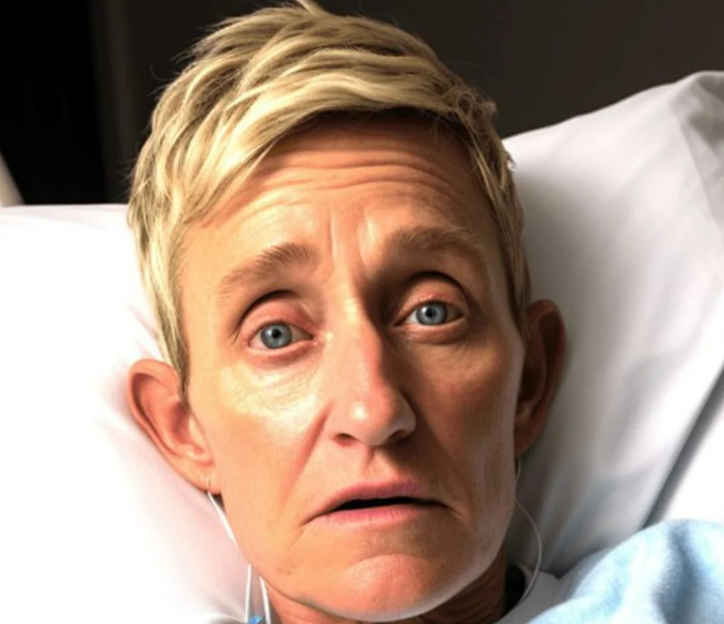
Ellen DeGeneres is known worldwide for her humor, optimism, and calm presence, but in late 2020 she faced an experience that stripped away any sense of control or predictability. When she contracted COVID-19 in December of that year, the illness brought with it a level of physical suffering she had never anticipated. What shocked her most was not the fever or fatigue so commonly associated with the virus, but an intense, relentless back pain she later described as almost unbearable.
At the time, public awareness of COVID-19 symptoms was still evolving. Most people associated the virus with respiratory distress, loss of taste or smell, coughing, and extreme tiredness. Back pain was rarely mentioned, if at all. Even Ellen herself admitted that she had no idea such pain could be connected to COVID-19. Yet as the illness progressed, the pain in her back became one of the most dominant and distressing aspects of her condition.
She later spoke openly about the experience, explaining that the pain was constant and overwhelming, making even simple movements difficult. Sitting, lying down, or trying to rest offered little relief. For someone used to an active professional life and a high level of independence, being immobilized by pain was deeply unsettling. It was not just physical discomfort; it was the psychological weight of feeling trapped in a body that would not cooperate.
Ellen’s account resonated with many people who had quietly endured similar symptoms without realizing they were connected to COVID-19. As more stories emerged, it became clear that her experience was not an isolated case. During the global lockdowns, countless individuals reported worsening back pain, joint stiffness, and muscle aches. Some of this was attributed to prolonged inactivity, poor posture from working at home, and increased stress. But medical researchers began to notice that COVID-19 itself appeared to aggravate musculoskeletal pain in ways that were not fully understood at the start of the pandemic.
By 2023, studies examining the long-term effects of COVID-19 confirmed a significant rise in reported back pain during and after infection. Researchers pointed to inflammation, nerve involvement, and the body’s immune response as potential contributors. The virus did not merely attack the lungs; it affected the nervous system, muscles, and connective tissues, leaving many patients dealing with lingering pain long after the initial infection had passed.
Ellen’s willingness to speak about her suffering helped bring attention to these lesser-known effects. She did not dramatize the experience, but she did not minimize it either. Her message was simple and direct: COVID-19 can hurt in ways people are not prepared for, and dismissing those symptoms only adds to the suffering. In a culture that often expects people, especially public figures, to move on quickly and quietly, her honesty stood out.
The timing of her illness also mattered. December 2020 was a period marked by fear, isolation, and uncertainty. Vaccines were only just becoming available, hospitals were overwhelmed, and many people were battling the virus alone at home. For someone in the public eye, there was pressure to reassure others and project stability. Behind that public calm, however, Ellen was dealing with a painful and frightening reality that mirrored what millions of others were experiencing behind closed doors.
Her story also highlighted how incomplete early messaging around COVID-19 had been. Health authorities were focused on the most immediately life-threatening symptoms, which made sense in a crisis. But as time passed, it became clear that the virus’s impact was far broader. Pain, anxiety, depression, and long-term physical complications were not side issues; they were central to the lived experience of the pandemic.
Back pain, in particular, became a silent epidemic within the pandemic. Lockdowns forced people into makeshift workspaces, often hunched over laptops on couches or kitchen tables. Gyms were closed, routines were disrupted, and stress levels were unprecedented. COVID-19 infections layered additional inflammation and nerve pain onto bodies that were already under strain. Ellen’s experience put a recognizable face to a problem many people felt but struggled to explain.
There was also an emotional dimension to her revelation. Pain that cannot be easily explained or seen often leads to self-doubt. People question whether they are overreacting or whether their symptoms are “serious enough” to warrant concern. Hearing someone as well-known as Ellen DeGeneres admit she had been blindsided by pain helped validate those experiences. It sent a clear message: suffering does not need to fit a predefined checklist to be real.
As the world moved into later stages of the pandemic, attention shifted toward recovery and long-term care. Stories like Ellen’s underscored the importance of comprehensive healthcare approaches that address not just survival, but quality of life. Recognizing symptoms such as severe back pain early can lead to better pain management, physical therapy, and mental health support, reducing the risk of chronic issues down the line.
Her account also served as a reminder of empathy. COVID-19 affected people differently, and comparisons were not helpful. Some lost loved ones, others lost their health, their livelihoods, or their sense of normalcy. Pain, whether visible or invisible, deserves acknowledgment. Ellen’s experience did not diminish anyone else’s suffering; it added depth to the collective understanding of what the pandemic truly did to people.
Today, as societies continue to deal with the aftermath of COVID-19, the conversation around long-term symptoms is more informed, but still incomplete. There are many people living with ongoing pain who feel forgotten as the world pushes forward. Ellen DeGeneres’s candid reflection remains relevant because it cuts through statistics and headlines, reminding people that behind every case number was a human being dealing with fear, pain, and uncertainty.
Her story is not about celebrity or drama. It is about listening to bodies, believing people when they say something is wrong, and accepting that a virus can leave scars that are not immediately visible. COVID-19 was never just a respiratory illness, and experiences like Ellen’s made that reality impossible to ignore.
In sharing what she went through, Ellen contributed to a broader understanding of the pandemic’s true cost. It was a cost measured not only in lives lost, but in pain endured, resilience tested, and the slow, difficult process of healing that continues long after the headlines fade.