Category: General News

  • THE WORLD TEETERS ON THE BRINK OF TOTAL WAR AS OPERATION EPIC FURY SHATTERS TEHRAN AND IRAN VOWS DEVASTATING REVENGE

    THE WORLD TEETERS ON THE BRINK OF TOTAL WAR AS OPERATION EPIC FURY SHATTERS TEHRAN AND IRAN VOWS DEVASTATING REVENGE

    The fragile illusion of global stability was incinerated in a single night of fire and thunder as the long-simmering shadow war between the West and the Islamic Republic of Iran erupted into a direct and terrifying confrontation. The first explosions did more than just level concrete and steel; they shattered the long-held belief that this regional rivalry could be forever contained within the boundaries of cyber warfare and proxy skirmishes. As American and Israeli jets streaked across the midnight sky, unleashing a coordinated barrage of precision-guided munitions against the heart of the Iranian military machine, the world woke up to a reality that many had feared but few were truly prepared for. We have entered a dangerous new chapter where the path to a global conflagration is no longer a distant possibility but an immediate and harrowing threat.

    The operation, which military insiders have revealed was executed under the chilling code name Operation Epic Fury, represented one of the most significant and audacious joint military maneuvers in modern history. According to high-ranking officials in Washington and Jerusalem, the objective was nothing less than the systematic neutralization of Iran’s most critical military and nuclear infrastructure. The strikes were not a random act of aggression but a surgical attempt to decapitate the regime’s ability to project power and threaten its neighbors. Proponents of the strike argued that it was a necessary and pre-emptive move to disrupt imminent threats and dismantle systems that were on the verge of reaching a point of no return. For years, the international community has debated the “red lines” of Iranian nuclear development, and on this night, those lines were crossed with the roar of jet engines and the flash of impact.

    Inside the secretive command centers of Tehran, the atmosphere was one of calculated fury and rapid mobilization. As the smoke cleared from damaged compounds and leveled air-defense installations, Iranian military commanders scrambled to assess the wreckage and formulate a response. While Israeli and American satellites confirmed the destruction of key missile sites and research facilities, Iranian state media immediately launched a counter-offensive of information. They claimed that their sophisticated interception systems had neutralized a significant portion of the incoming threat, portraying the attack as a desperate and ultimately failing attempt by Western powers to exert dominance. However, the bravado of the official broadcasts was undercut by a grim and unmistakable promise from the regime’s highest leadership: a pledge for what they termed “devastating revenge.”

    The ripple effects of Operation Epic Fury were felt instantly across the globe. Financial markets, always the first to sense the tremors of war, reacted with a violent shock. Oil prices spiked as the specter of a closed Strait of Hormuz loomed large, and investors fled toward the safety of gold and stable currencies. In the corridors of power in Europe, the reaction was one of profound anxiety. Diplomats who have spent decades trying to bridge the gap between Tehran and the West saw their life’s work threatened by a single night of kinetic action. Emergency summits were called in Brussels and London, with several governments issuing stern warnings that further escalation could set the entire Middle East ablaze, drawing in superpowers and smaller nations alike in a chain reaction of violence that no one would be able to stop.

    The tactical details of the strike suggest a level of sophistication that has redefined modern warfare. Operation Epic Fury reportedly utilized stealth technology and advanced electronic warfare to blind Iranian sensors, allowing the strike packages to reach their targets with devastating efficiency. Images and videos circulating through encrypted channels and social media show the aftermath: blackened craters where sophisticated laboratories once stood and the twisted remains of high-tech radar arrays. These visuals served as a stark reminder of the technological gap between the attackers and the defenders, but they also served as fuel for the nationalist fire currently burning in the streets of Tehran.

    Beyond the strategic calculations and the geopolitical maneuvering, there is the human cost that often goes unspoken in the war rooms of the elite. In the densely populated neighborhoods of Tehran and the coastal cities of Israel, ordinary families spent the night in a state of paralyzing uncertainty. For the residents of the Iranian capital, the sounds of explosions were a terrifying interruption to their daily lives, forcing children into basements and parents to their phones in a desperate search for information. In Tel Aviv, the mood was one of grim readiness, with civilians listening for the wail of sirens that would signal the inevitable retaliation. The shared fear of these families, separated by borders and ideologies, is the most tragic constant in a conflict that seems increasingly out of their control.

    The “devastating revenge” promised by Iran is not a threat to be taken lightly. Military analysts warn that the Iranian response may not take the form of a conventional air strike but could instead manifest as a multi-front campaign of asymmetric warfare. This could include a massive wave of cyber-attacks targeting Western infrastructure, the activation of sleeper cells and proxy militias across the region, or a direct attempt to disrupt global energy supplies. The world is now trapped in a period of “suspended animation,” waiting to see when and where the second shoe will drop. The transition from a single round of strikes to a sustained regional war is a line that is thinner than most people realize.

    Diplomatic channels have become the only remaining lifelines in a situation that is rapidly spiraling out of control. Behind the scenes, there is a frantic effort to open back-channel communications to ensure that miscalculations don’t lead to a nuclear escalation. The message from the international community is clear: restraint is no longer just a diplomatic preference; it is a necessity for global survival. However, the political pressure on both sides makes restraint difficult. In Washington and Jerusalem, the success of Operation Epic Fury is being hailed as a victory for security, while in Tehran, the need to save face and project strength is paramount for the regime’s survival.

    As the sun rises over a Middle East that has been fundamentally changed, the questions remain more numerous than the answers. Was this strike a decisive blow that will prevent a future war, or was it the opening salvo of the very conflict it sought to avoid? The ruins of the nuclear and military compounds are silent for now, but the rhetoric of war is louder than ever. We are watching a high-stakes gamble play out in real-time, where the ante is nothing less than the lives of millions and the stability of the global order. Operation Epic Fury has proven that the age of shadow wars is over. The fire is now in the open, and the world can only watch and wait to see if it can be extinguished before it consumes everything. The night of the explosions has passed, but the storm is only beginning.

  • FLORIDAS NEW JUSTICE CZAR UNLEASHES POLITICAL ARMAGEDDON AS SHE VOWS TO CRUSH CORRUPTION AND TARGET THE ELITE

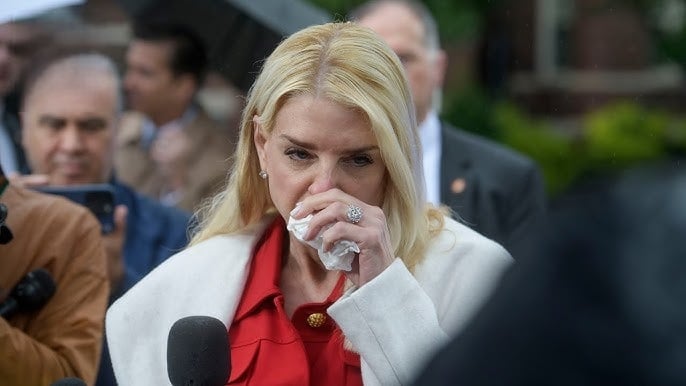
    FLORIDAS NEW JUSTICE CZAR UNLEASHES POLITICAL ARMAGEDDON AS SHE VOWS TO CRUSH CORRUPTION AND TARGET THE ELITE

    The humid air of Florida has always been thick with the scent of ambition and intrigue but today it carries a different charge—one of impending revolution and institutional dread. The confirmation was not the routine political theater the public has grown accustomed to; it was a fundamental rupture in the established order of the state. In a quiet but decisive reshuffling of power the Sunshine State has minted a new guardian of justice whose arrival threatens to redefine the very concepts of trust and protection in America. She has taken her oath not with the hesitant whisper of a bureaucrat but with the steady roar of a reformer who has spent a lifetime preparing for this specific battlefield. Supported by a rare show of bipartisan backing and armed with a sharp media instinct that allows her to bypass traditional filters she has stepped onto the stage with a singular and terrifying promise: to clean house.

    But in the high stakes arena of American governance every promise carries a hidden cost and every reform creates a fresh battalion of enemies. She enters her office under a spotlight so intense it has the power to incinerate those who are not prepared for its heat. The weight of expectation is a physical presence in the room—a burden placed upon her shoulders by allies who view her as a secular savior and skeptics who are waiting for the first sign of a stumble. Her pledge to confront systemic corruption and defend the ordinary citizen has ignited a flame of hope in communities that have been ignored for generations. Yet that same flame has sent a chill through the entrenched interests that have long thrived in the shadows of Floridas more opaque legal and political systems. These forces are not merely watching; they are already calculating. In the wood paneled offices of lobbyists and the backrooms of the old guard the players are deciding how to test her resolve how to stall her initiatives and how to quietly undermine an agenda that threatens their very existence.

    This is more than just a change in leadership; it is a fundamental challenge to the way power is brokered in the South. Her insistence that this role is a moral obligation rather than a simple legal appointment has raised the stakes of every decision she makes. To her the law is not a static set of rules to be manipulated but a living shield for the vulnerable. This philosophical stance has set her on a collision course with the machinery of the state. As she pushes for unprecedented levels of transparency and demands a stronger more aggressive partnership between state and federal investigators every move is being parsed for subtext. The central question echoing through the halls of the capitol is one of loyalty: whose side is she truly on? Is she a champion for the people or is she simply building a more efficient version of the same old machine?

    The backlash began almost before the ink on her confirmation was dry. Anonymous leaks and whispered campaigns have already started to circulate designed to paint her as a radical or a political opportunist. This is the standard playbook for an establishment under siege. However she has proven to be a master of the counter narrative. Using her media savvy she has taken her case directly to the streets appearing in town halls and on digital platforms to explain that the resistance she faces is the ultimate proof that her reforms are working. She understands that in the modern era of justice public opinion is just as important as a court filing. By making the public a stakeholder in her success she has created a protective barrier that her enemies find difficult to penetrate.

    The stakes are not confined to the borders of Florida. The entire nation is watching this experiment in accountability. If she can turn her soaring rhetoric into tangible reform while surviving the inevitable political and legal ambushes this moment will mark the start of a new standard for power in American public life. It would provide a blueprint for other states to follow demonstrating that the cycle of corruption is not an inevitability but a choice that can be rejected. Her focus on state federal partnerships is particularly innovative as it creates a layered system of oversight that makes it much harder for local scandals to be swept under the rug. She is essentially building a web of accountability that is designed to be tamper proof.

    Yet the road ahead is fraught with genuine peril. The forces of the status quo are patient and well funded. They know that the initial burst of public enthusiasm for a new leader eventually fades and they are prepared to wait for the news cycle to move on. They are looking for the small missteps the minor administrative errors or the personal vulnerabilities that can be magnified into career ending scandals. She is walking a tightrope over a pit of vipers and she knows it. Every policy she drafts every person she hires and every investigation she greenlights is a potential landmine. The pressure is immense and the margin for error is non existent.

    What makes her particularly dangerous to the old guard is her refusal to treat justice as a transaction. In the past many in her position were willing to trade a few high profile convictions for a quiet life of cooperation with the powerful. She has rejected this transactional model entirely. Her vision of justice is holistic and unforgiving. She is looking at the entire structure of the state from the way contracts are awarded to the way the poorest citizens are treated by the courts. She is aiming for nothing less than a total cultural shift in how Floridians perceive their government.

    As the first few months of her tenure unfold the tension in the state is palpable. There is a sense that the ground is shifting beneath everyone’s feet. For the citizens who have felt the sting of a broken system there is a cautious optimism that finally someone has arrived who speaks their language. For those who have benefited from the lack of oversight there is a desperate scramble to fortify their positions. The battle lines are drawn and the first shots have already been fired. This is not just a political story; it is a struggle for the soul of a state.

    If she succeeds she will become one of the most consequential figures in modern Florida history a leader who proved that the light of transparency is the best disinfectant for a diseased body politic. If she fails she will be remembered as another casualty of the system a warning to any who would dare to challenge the hidden architects of power. But for now she is moving forward with a relentless momentum her eyes fixed on the horizon and her hand firmly on the scales of justice. The world is watching the enemies are waiting and the revolution in Florida is just getting started. This is the moment when the rhetoric ends and the real war for accountability begins. One thing is certain: the Florida of yesterday is gone and what comes next will be defined by the courage or the collapse of the woman who promised to change it all.

  • STITCHES OF HOPE THE HEARTBREAKING REASON FOUR DEPUTIES SWARMED A TEENAGERS HOME AT DAWN AFTER HE DESTROYED HIS LATE FATHERS CLOSET

    STITCHES OF HOPE THE HEARTBREAKING REASON FOUR DEPUTIES SWARMED A TEENAGERS HOME AT DAWN AFTER HE DESTROYED HIS LATE FATHERS CLOSET

    The silence of a grieving home has a weight that no words can fully describe. It is a heavy suffocating presence that settles into the corners of every room pressing against your chest until even drawing a breath feels like an act of defiance. For fourteen months that silence was the only consistent guest in our house. It began the day my husband Ethan a police officer who lived his life running toward the sounds of trouble failed to come home from his final call. The world moved on as it always does but for my fifteen year old son Mason and me time had simply frozen. We were survivors of a shipwreck clinging to the debris of a life that no longer existed and I watched with a breaking heart as my son drifted further into a sea of quiet isolation.

    Mason had always been a sensitive child more inclined to observe the world than to fight for a place within it. While other boys his age were consumed by sports and social hierarchies Mason found his sanctuary at the kitchen table hunched over a sewing machine. It was a skill my mother passed to me and one I passed to him never realizing it would one day become his lifeline. The world can be cruel to a boy who prefers needles and thread to footballs and Mason endured the quiet taunts of his peers with a stoic grace. After his father’s death his passion for sewing intensified. The rhythmic hum of the machine became the heartbeat of our home replacing the laughter and the heavy footsteps that had once filled the hallways.

    One afternoon in the dead of winter I found Mason standing in front of Ethan’s closet staring at the rows of shirts that still carried the faint scent of cedar and laundry soap. His face was pale and his hands were balled into trembling fists. With a voice that barely rose above a whisper he asked if he could use them. My initial instinct was to protect those remnants to keep those fabrics as sacred relics of the man I loved. But looking at the desperation in Mason’s eyes I realized that these were not just shirts to him; they were raw materials for healing. I pulled out Ethan’s favorite blue plaid fishing shirt and placed it in his hands telling him that his father spent his life helping people and would be proud of anything he created.

    What followed was a marathon of creativity born from sorrow. For weeks the dining room table disappeared under a sea of fabric scraps buttons and polyfill. Mason worked late into the night the low hum of the machine a constant companion to my own sleeplessness. He was meticulous and intentional sorting the shirts by color and texture. He didn’t just want to make something; he wanted to build a rescue squad. By the end of the second week twenty teddy bears sat in a perfect row across the kitchen table. They were beautiful each one unique but it was the material that broke me. They were stitched from the very shirts Ethan had worn to family dinners fishing trips and charity runs.

    Mason’s goal was simple yet profound. He wanted to give the bears to a local shelter for children in crisis. He remembered how Ethan always spoke about the kids he encountered on the job children who had lost everything and were scared and alone. Mason tucked a handwritten note into each bear: Made with love. You are not alone. When we delivered the boxes to the shelter manager Spencer the reaction was instantaneous. The sight of these hand-stitched comforts created from the uniform of a fallen hero brought a level of light to that facility that I hadn’t seen in over a year. Mason watched the children clutch the bears and for a fleeting moment the shadow over his face lifted replaced by a spark of purpose.

    However the true impact of Mason’s work didn’t reveal itself until a cold Wednesday morning. I was jolted awake by a frantic banging at the front door. My heart hammered against my ribs—a sound I had associated with bad news ever since the night the chaplain arrived at my door. When I looked out the window I saw two sheriff’s cruisers and a sleek dark town car parked in the driveway. Panic seized me. I told Mason to stay behind me bracing myself for an accusation or another tragedy. I opened the door to find a tall deputy with a buzz cut who requested that we step outside immediately. The air was frigid and I could see the neighbors’ blinds twitching as they watched the spectacle.

    If you are accusing my son of something say it to my face I snapped my maternal instincts on high alert. The deputy’s expression softened and he gestured toward the lead cruiser. He opened the trunk and I gasped. It wasn’t empty and it wasn’t a threat. Inside were several brand new high end sewing machines industrial sized rolls of fabric and boxes upon boxes of premium thread and notions. A man in an elegant suit stepped from behind the vehicles introduced himself as Henry and offered a hand that I was finally able to take.

    Henry explained that years ago Ethan had saved his life during a horrific accident on Route 17. He had spent years trying to find a way to repay the debt only to learn that the officer who saved him was gone. But Henry was also a major benefactor for the local shelter. When Spencer told him about the boy who had brought in twenty bears made from his late father’s shirts Henry knew exactly who Mason was. He didn’t just want to say thank you; he wanted to ensure that the legacy of service Ethan started was carried forward by the son who inherited his heart.

    Henry’s foundation wasn’t just donating supplies. They were funding a full year-round sewing program for children in crisis at the shelter to be named the Ethan and Mason Comfort Project. Furthermore he presented Mason with a formal document—a full college scholarship. I stood there in my pajamas on a cold driveway watching my son’s life change in an instant. The final gift was a small box containing a silver thimble engraved with Ethan’s badge number and the words: For hands that heal, not hurt.

    The transformation of our home since that morning has been nothing short of miraculous. The silence is gone replaced by the bustling energy of a teenager who has found his calling. Mason now spends his weekends at the shelter teaching younger children how to thread a needle and turn scraps of fabric into something they can hold onto when the world gets dark. He still uses his father’s shirts but now he sees them not as a reminder of what was lost but as a foundation for what can be built.

    As I watch Mason at his new machine humming a tune his father used to whistle I realize that grief didn’t make our world smaller; it just forced us to find a new way to expand it. My husband ran toward the fire to save people and now my son is using the very clothes his father wore to provide a different kind of rescue. We are no longer just surviving the shipwreck; we are building a new vessel. Not just out of fabric and thread but out of the enduring power of a legacy that refuses to end. Mason’s teddy bears were the first stitches in a new map of our lives one where the pain of the past is finally being outwoven by the hope of the future.

  • KAMALA HARRIS BREAKS HER SILENCE ON 2028 AMBITIONS AS SHE BLASTS TRUMP AND PLOTS THE ULTIMATE POLITICAL REVENGE

    KAMALA HARRIS BREAKS HER SILENCE ON 2028 AMBITIONS AS SHE BLASTS TRUMP AND PLOTS THE ULTIMATE POLITICAL REVENGE

    The political landscape of the United States has always been defined by its resilience and its capacity for rapid reinvention but the current climate is unlike anything seen in the modern era. Following the seismic shift of the recent election cycle the question that has haunted the halls of power in Washington and the living rooms of middle America has finally been addressed. Kamala Harris the former Vice President and the woman who came within a breath of the presidency has officially signaled that her journey is far from over. Her recent admission that she is weighing a potential run for the White House in 2028 is not merely a casual observation or idle chatter; it is a calculated opening move in a high stakes game of political chess that will define the next four years of American discourse.

    Harris does not speak with the tone of a defeated candidate looking for a graceful exit from public life. Instead she speaks with the sharp clarity of someone who has operated at the very epicenter of global power and refuses to look away from the fractures she sees in the current administration. Her recent travels which have taken her from the bustling urban centers of the North to the deep heart of the American South have served as more than just a listening tour. They have been a reconnaissance mission designed to gauge the temperature of a nation that is increasingly weary of the status quo. In her speeches and private meetings Harris has distilled a potent and resonant message: the old systems of governance are breaking the American people and the public is fully aware that the current path is unsustainable.

    The core of her emerging platform is built on a direct and blistering contrast with the foreign policy of the Trump era. In recent weeks Harris has ramped up her rhetoric regarding international stability focusing specifically on what she describes as a reckless drift toward global conflict. She has been particularly vocal about the current tensions involving Iran characterizing the recent escalations as a war of choice that serves ego rather than national interest. By positioning herself as a leader who is inherently tough on global adversaries but refused to be reckless with American lives she is attempting to reclaim the mantle of the steady hand. Her argument is a sophisticated one: she seeks to convince the electorate that true strength is found in strategic precision and diplomatic leverage rather than the volatile unpredictability that has come to define the current executive branch.

    However the path to 2028 is paved with significant obstacles and unresolved questions. The most pressing of these is whether the American voter is prepared to place their trust in Harris again following the results of 2024. Within the Democratic party itself there is a profound internal debate about the direction of the future. While her supporters see her as the most experienced and battle tested champion for the progressive cause critics wonder if she can bridge the gap with the working class voters who felt alienated during the last cycle. Harris is acutely aware of these doubts and her current strategy seems aimed at proving her adaptability. She is moving away from the scripted cautiousness of her vice presidency and leaning into a more raw authentic and confrontational style that mirrors the urgency of the times.

    Her focus on the South is particularly telling. By spending significant time in regions that have historically been the bedrock of the opposition she is signaling a desire to compete on every inch of the map. She is speaking to the economic anxieties of rural communities addressing the rising cost of living and the decline of local infrastructure with a specificity that was perhaps lacking in previous campaigns. She is making the case that the current economic policies are a house of cards designed to benefit the few at the expense of the many. This populist pivot is a bold move for a woman often associated with the establishment but it is a necessary evolution if she intends to build a coalition broad enough to retake the White House.

    The international community is also watching her every move with intense scrutiny. Global leaders who are currently navigating a world of shifting alliances and trade wars see in Harris a potential return to traditional multilateralism. Her critiques of current military involvements are being parsed in foreign ministries from London to Beijing. By signaling her opposition to unnecessary wars she is building an international brand as a peace seeker who is still willing to defend the liberal world order. This dual identity—the tough prosecutor of the American interest and the cautious guardian of global stability—is the foundation upon which she hopes to build her 2028 campaign.

    At home the media frenzy surrounding her possible run has reached a fever pitch. Every public appearance every social media post and every policy speech is analyzed for clues about her timeline. For now Harris is content to leave the country hanging on a promise and a tease. She is playing a long game allowing the current administration to grapple with the complexities of governing while she positions herself as the alternative in waiting. She is carefully curating her image using her platform to highlight the failures of her opponents while offering a vision of a country that is more inclusive more stable and more focused on the needs of the average citizen.

    The underlying tension of her possible candidacy is the sense of unfinished business. Harris carries the weight of history on her shoulders as the first woman to hold the vice presidency and the memory of her near miss in the last election clearly fuels her current ambition. She is not just running for a job; she is running for a legacy and for the opportunity to prove that her vision for America was not rejected but merely delayed. The stakes could not be higher. If she succeeds she will complete one of the greatest political comebacks in American history. If she fails she risks becoming a footnote in a era of rapid and chaotic change.

    For the American public the next four years will be a period of intense reflection. As the policies of the current administration play out voters will be forced to decide if they want to double down on the current trajectory or return to the path Harris represents. By keeping her name in the conversation and maintaining a high profile on the international stage she is ensuring that she remains the primary point of contrast. She is the shadow president of the opposition a constant reminder that there is another way forward. Whether the country is ready to embrace that way is a question that will only be answered in the ballot boxes of 2028. For now Kamala Harris remains the most compelling and controversial figure in the American political drama a leader who has seen the future from the inside and is determined to shape it one more time.

  • SACRED SCHISM THE UNTHINKABLE TRUTH BEHIND WHY THE FIRST AMERICAN POPE HAS TURNED HIS BACK ON THE WHITE HOUSE

    SACRED SCHISM THE UNTHINKABLE TRUTH BEHIND WHY THE FIRST AMERICAN POPE HAS TURNED HIS BACK ON THE WHITE HOUSE

    The geopolitical landscape was forever altered the moment the white smoke rose from the Sistine Chapel and the world learned that for the first time in the history of the Catholic Church an American had ascended to the Chair of Saint Peter. The election of Pope Leo XIV was initially greeted in the United States with a sense of patriotic fervor and a naive expectation that the Vatican and the White House were about to enter a golden age of unprecedented alignment. However as the months have turned into a years the celebratory atmosphere has curdled into a cold and baffling reality. The global spotlight has shifted away from the anticipated homecoming and toward a deepening fracture—a spiritual and diplomatic schism shaped not by fiery rhetoric or open hostility but by a profound and calculated silence that has reached a breaking point.

    At the heart of this tension is a fundamental disagreement over the very nature of power and the responsibility of leadership. While Washington operates within a framework defined by national security border integrity and the cold calculus of geopolitical interest Pope Leo XIV has steered the bark of Peter toward an entirely different horizon. He has replaced the traditional proximity to secular power with a radical proximity to human suffering. This is not merely a difference in style or personality but a tectonic shift in the moral architecture of the Holy See. The American Pope has seemingly decided that his shared nationality with the leaders of the free world is an irrelevant detail compared to the universal mandate of his office. In doing so he has signaled a deliberate and stinging distance from the political climate of his home country a move that many in the White House view as a personal and professional snub.

    The most visible manifestation of this rift is the conspicuous absence of a papal visit to American soil. In the high stakes world of international diplomacy a leaders choice of destination is the ultimate signal of their priorities. By delaying a return to the United States while simultaneously embarking on exhaustive pilgrimages to the forgotten corners of the globe—conflict zones in Central Africa migrant encampments on the fringes of Europe and impoverished coastal villages in Southeast Asia—Leo XIV is communicating with devastating clarity. He is suggesting that the centers of global power are no longer the centers of spiritual relevance. This absence speaks louder than any encyclical could. It is a quiet but firm rejection of the idea that the Vatican is an auxiliary to Western political interests. To the administration in Washington this silence feels like a betrayal of the cultural and national ties that many assumed would bridge the gap between the two powers.

    The ideological divide between the two institutions has become a chasm that no amount of diplomatic smoothing can hide. The White House continues to emphasize a doctrine of sovereignty and national preservation whereas the Pope has focused his gaze on those living at the margins of society—the refugees the displaced and the victims of the very global systems that Washington seeks to maintain. These two frameworks are not merely different they are increasingly in direct opposition. When the Vatican speaks of a moral imperative to open borders and show radical compassion it strikes a discordant note against a Washington policy focused on walls and restricted entry. This tension has transformed what was once a cordial relationship into a cold stalemate where communication continues through formal channels but without a single spark of warmth or mutual understanding.

    Reports from within the Vatican suggest that the Holy Father views his unique position as the first American Pope as a mandate to prove the Church’s independence from American hegemony. He is acutely aware that any sign of favoritism toward the United States would undermine his credibility with the global south where the vast majority of the Catholic faithful now reside. Consequently he has adopted a posture of deliberate neutrality that often feels like a targeted critique of American exceptionalism. By choosing not to visit he is essentially stripping the White House of the symbolic legitimacy that a papal blessing provides. This is a form of discipline that has left political strategists scrambling. How do you respond to a leader who isn’t attacking you but is simply acting as though you are not the center of the universe?

    The restraint shown by both sides only adds to the eerie atmosphere of this diplomatic freeze. Neither the Pope nor the President has moved to escalate the conflict with public declarations of enmity. Instead they engage in a shadow war of subtext and scheduling. Every time a papal envoy bypasses a high level meeting in D.C. or the Pope issues a statement on environmental justice that indirectly challenges American industrial policy the wedge is driven deeper. In a modern era where disagreement is usually loud and performative this quiet withdrawal is far more unnerving. It suggests a permanent shift in the relationship rather than a temporary spat. The restraint is not a sign of peace but a reflection of two forms of authority—one moral and one political—that have realized they no longer move in the same direction.

    Beyond the headlines and the frantic interpretations of pundits the reality is that Pope Leo XIV is redefining what it means to be a global leader in the twenty first century. He is demonstrating that influence does not always flow toward the greatest concentration of wealth and weapons. By standing apart from the White House he is reminding the world that spiritual authority must remain un-tethered from any single national identity if it is to remain credible. This holding of the line is a quiet revolution. It is a reminder that the Vicar of Christ is not a diplomat in chief for the West but a voice for a kingdom that recognizes no borders.

    The final thought for many observing this unfolding drama is that shared nationality is a poor guarantee of shared vision. The American identity of the Pope has not made him an ally of the American government; it has perhaps made him its most effective and subtle critic. He knows the American system from the inside and his decision to distance himself from it suggests a deep seated belief that the current political direction of the United States is incompatible with the core tenets of his faith. For now Leo XIV remains focused on the edges of the world looking toward those who have no voice in the halls of Washington. This is not a rejection of his roots but a transcendent evolution of them. He is proving that holding a line quietly and consistently can shape the world more profoundly than any loud declaration. The Vatican feud has reached a breaking point and the silence coming from Rome is the loudest sound in the world today.

  • THE FINAL STAND OF A LEGEND MICHAEL J FOX REVEALS THE DEVASTATING TRUTH BEHIND HIS THIRTY YEAR WAR AND WHY HE WILL NO LONGER HIDE HIS SUFFERING

    THE FINAL STAND OF A LEGEND MICHAEL J FOX REVEALS THE DEVASTATING TRUTH BEHIND HIS THIRTY YEAR WAR AND WHY HE WILL NO LONGER HIDE HIS SUFFERING

    The world once knew him as the boy who mastered time a charismatic young man with a crooked grin and an effortless energy that seemed to defy the very laws of physics. We watched him race through the decades in a silver DeLorean convincing us all that the future was something we could rewrite and that the passage of time was merely a technicality for the brave. But today Michael J Fox is no longer asking us to believe in the fantasy of time travel. Instead he is inviting us to bear witness to the raw reality of time itself—the relentless heavy and unforgiving force that acts upon a human body under a thirty year siege. In his most vulnerable chapter yet he has chosen to dismantle the myth of the invincible optimist revealing the shattered bones and the private agony that have long been hidden behind the curtain of Hollywood glamour.

    For three decades the narrative surrounding Fox was one of unfailing hope. He was the poster child for resilience a man who faced a devastating diagnosis of early onset Parkinsons disease and met it with a smile that never seemed to fade. However the truth is far more complex and significantly more painful than the public persona ever suggested. The battle has moved beyond the tremors and the stutters into a territory of physical destruction that would have broken a lesser spirit. In his latest reflections and cinematic endeavors Fox has finally stopped performing for our comfort. He is showing the world what it looks like when a body begins to shrink when every step is a calculated gamble and when the simple act of standing up requires a negotiation with gravity that most of us take for granted. He is no longer interested in being your inspiration if that inspiration requires him to lie about the weight of his cross.

    The physical toll of this thirty year war is staggering. We are now learning the true cost of his public appearances—the falls that occur when the cameras are off the bones that have been broken and reset and the exhaustion that follows the Herculean effort of maintaining a steady posture for just a few minutes of screen time. There is a profound and heartbreaking honesty in his refusal to hide the tremors. He has moved past the era of trying to mask his symptoms and has entered a phase of radical visibility. This is the final battle not because he is giving up but because he has decided that the most powerful thing he can do is to remain seen in his most broken state. He is proving that dignity is not found in the absence of a struggle but in the conscious decision to remain present and vocal while the struggle is at its most intense.

    Despite the shrinking boundaries of his physical world something unexpectedly vast and beautiful has emerged from the wreckage. While his limbs may betray him his mind and his soul have sharpened to a lethal edge. The humor that once defined his youth has evolved into something darker more poignant and infinitely more honest. His jokes now land sideways often interrupted by the very tremors he used to fear but they carry a weight of truth that his earlier work could never touch. He is a man who has looked into the abyss of a degenerative future and decided that even if he cannot win the war against his biology he can win the war for his identity. He refuses to disappear into the shadows of a sickroom choosing instead to occupy the center of the frame even when that frame is shaking.

    This is not a story with a Hollywood ending. There are no promises that tomorrow will be easier and there is no magic cure waiting just around the corner in this lifetime. The heartbreak of the situation lies in the permanence of the condition yet Fox has found a way to turn that permanence into a platform. By showing the falls and the fractures he is giving a voice to millions who suffer in silence and shame. He is stripping away the stigma of disability and replacing it with a defiant sense of self. He is telling the world that a body in pain is still a body worth celebrating and that a life interrupted is still a life of profound value. He is not asking for pity—pity is a passive emotion that he has no use for. He is asking for recognition for the acknowledgement that he is still here still fighting and still the same stubborn soul who once thought he could outrun the clock.

    The irony of his career is not lost on those who have followed him from the beginning. The man who became a global icon by playing a character who was always in a hurry is now forced to live a life of agonizing slowness. Every movement must be intentional every word must be fought for and every day is a lesson in the high cost of existing. Yet in this slowness there is a clarity that the rest of the world often misses in its frantic pace. Fox has become a philosopher of the present moment. Because he cannot rely on his body to perform tomorrow he has invested everything into the now. His refusal to package his pain as a neat motivational speech is his greatest act of rebellion. He is giving us the ugly truth the messy truth and the beautiful truth all at once.

    As the battle enters its fourth decade the focus has shifted from finding a cure to finding a way to live with the incurable. Michael J Fox has become the ultimate testament to the endurance of the human spirit. He is teaching us that hope is not the belief that things will get better but the certainty that things have meaning regardless of how they turn out. His decision to remain visible to allow us to see the hesitation before he stands and the struggle to keep his head high is a gift of immense proportions. He is showing us that even when the world shrinks to the size of a chair the soul can still span the universe.

    In the end the truth of Michael J Fox is not found in the awards he has won or the millions of dollars he has raised for research though those are significant. The true heart of his legacy is his refusal to hide. He has stepped out from behind the mask of the movie star and revealed the man underneath—a man who is tired who is hurting but who is absolutely and irrevocably alive. He has traded the fantasy of time travel for the reality of the present and in doing so he has conquered time in a way that Marty McFly never could. He has made himself immortal not by staying young but by showing us exactly what it means to grow old and stay brave. The battle continues and though the flesh may be weak the man remains invincible.

  • THE SECRET POWER OF YOUR EYES WHAT THE FIRST COLOR YOU SEE REVEALS ABOUT YOUR HIDDEN PSYCHOLOGICAL TRAITS AND HOW OTHERS FEAR YOU

    THE SECRET POWER OF YOUR EYES WHAT THE FIRST COLOR YOU SEE REVEALS ABOUT YOUR HIDDEN PSYCHOLOGICAL TRAITS AND HOW OTHERS FEAR YOU

    The human mind is a vast and complex landscape where perception and personality are inextricably linked in ways we are only beginning to understand through the lens of modern psychology. Light enters our eyes and is processed by the brain not merely as a wavelength of color but as a profound emotional and psychological trigger. Color psychology suggests that our subconscious mind acts as a filter prioritizing certain hues over others based on our deep seated values fears and strengths. This phenomenon means that a simple visual test is more than just an optical illusion or a parlor trick it is a mirror reflecting the core of your identity and the specific aura you project to the world. By understanding which colors your brain captures first you can unlock the mystery of how your presence impacts the people around you and why certain individuals might feel an instinctive sense of intimidation when they enter your orbit.

    When you engage with a spectrum of colors the very first shade that pulls your focus speaks volumes about your primary psychological driver. This initial reaction happens in a fraction of a second bypassing your conscious filter and revealing your rawest self. If your eyes are immediately drawn to gray you are likely a person who possesses a rare and formidable level of emotional control. In a world characterized by chaos and impulsive reactions the gray dominant personality is a pillar of rationality and calm. You do not easily succumb to drama or hysteria and this stoic nature can be incredibly daunting to those who are less grounded. People who rely on emotional outbursts to navigate life may find your steady gaze and logical approach to be a silent challenge to their own instability. Your silence is often interpreted as a profound depth of wisdom and your ability to remain unshakeable makes you a person of significant influence whether you realize it or not.

    If however the color purple was the first to ignite your visual cortex you belong to the realm of the visionary and the unconventional. Purple has long been associated with mystery royalty and the higher mind. To notice this color first suggests that you possess a creative spark that refuses to be dampened by social norms or traditional expectations. You likely see connections where others see walls and your unique perspective allows you to solve problems in ways that seem almost magical to the uninspired. This level of originality can be deeply unsettling to people who find comfort in predictability and routine. Your very existence challenges the status quo and those who are afraid of change may find your creative confidence intimidating. They fear what they cannot predict and because you operate on a frequency they cannot tune into you become a figure of awe and occasional apprehension.

    For those whose eyes immediately sought out yellow the internal engine is one of pure optimism and high frequency energy. Yellow is the color of the sun of joy and of intellectual stimulation. If this is your primary color you likely radiate a level of positivity that can light up the darkest room. However this light can be blinding to those who are currently struggling with their own shadows. Your relentless drive to stay positive and your high energy levels can act as a mirror that highlights the pessimism or lethargy of others. While you see yourself as encouraging those who are stuck in a cycle of negativity may find your vibrance overwhelming. They may feel a sense of inadequacy in your presence fearing that they can never match your pace or your outlook. Your happiness becomes a standard they feel they cannot meet making you a source of unintentional intimidation.

    The secondary color you notice provides a deeper layer of insight into your social standing and how you are perceived in long term relationships. If your gaze moved secondarily to blue brown or green you are projecting an image of ultimate stability and reliability. These are the colors of the earth the sky and the forest the three most permanent fixtures of our physical world. To project these hues suggests that people view you as a rock as someone who can be counted on when the world begins to tilt. While this makes you a sought after friend and ally it also creates a hierarchy where those who are insecure or inconsistent feel small in your shadow. Your reliability highlights their lack of discipline. They are intimidated by your consistency because it forces them to acknowledge their own flightiness. You represent a level of maturity that many aspire to but few achieve and that gap in development can create a barrier of awe and fear.

    Furthermore the third color you notice acts as a reinforcement of your intellectual and professional persona. If you find yourself returning to the grounded palette of blue brown or green for a third time you are broadcasting a message of extreme competence and wisdom. In professional settings or social debates your knowledge and your ability to stay informed make you a formidable opponent. You likely possess a breadth of insight that allows you to navigate complex topics with ease. This intellectual prowess can make others feel outmatched. If they lack your experience or your dedication to learning they may hesitate to speak in your presence fearing that you will see through their lack of depth. Your competence isn’t just a skill it is a shield that protects you but it can also be a wall that keeps others at a respectful and fearful distance.

    Ultimately these color based reflections offer a fascinating gateway into self awareness. While the test itself is a lighthearted exploration of perception the underlying truth is that we all carry a unique psychological signature that is felt by everyone we meet. Understanding that your calm can be perceived as coldness or that your creativity can be seen as chaos allows you to bridge the gap between how you see yourself and how the world sees you. You are a mosaic of these colors and their associated traits. By leaning into your strengths and recognizing the power of your presence you can learn to dial your energy up or down depending on the situation. Whether you are the stabilizing force of green the analytical power of blue or the radiant joy of yellow your identity is a vibrant force that reshapes the reality of everyone you encounter. The next time you walk into a room remember that people aren’t just seeing you they are experiencing the psychological spectrum you represent and that is the most powerful tool you possess.

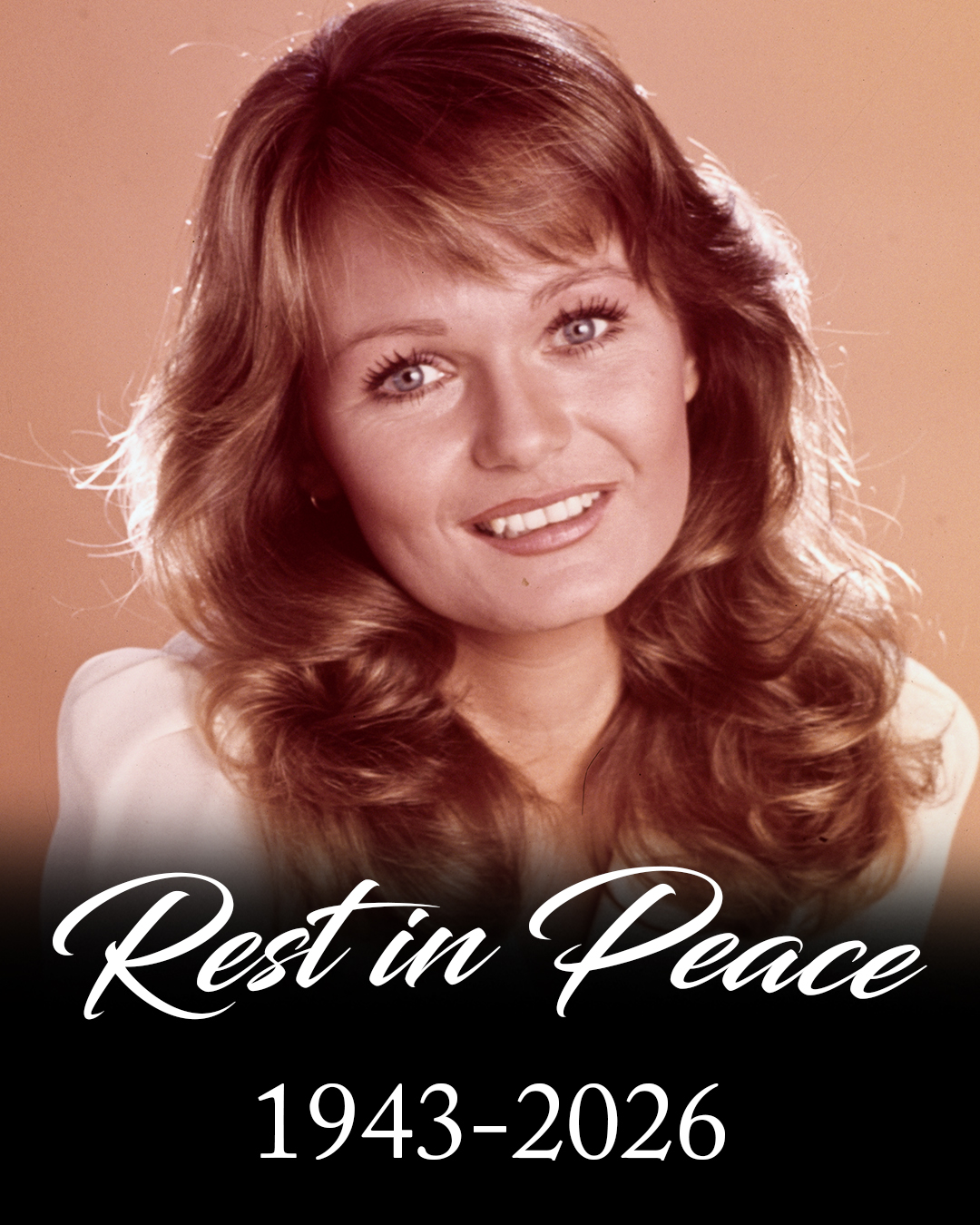
  • HOLLYWOOD MOURNS THE LOSS OF AN ICON AS VALERIE PERRINE TAKES HER FINAL BOW AFTER BRAVE BATTLE

    HOLLYWOOD MOURNS THE LOSS OF AN ICON AS VALERIE PERRINE TAKES HER FINAL BOW AFTER BRAVE BATTLE

    The golden age of Hollywood has lost one of its most luminous and fearless stars as the world says a heartbreaking goodbye to Valerie Perrine. The legendary actress whose journey from the shimmering lights of the Las Vegas Strip to the prestigious stages of the Academy Awards remains one of the most remarkable stories in show business history passed away at the age of 82. For years the iconic performer had been engaged in a quiet but grueling struggle with Parkinson’s disease a battle she fought with the same tenacity and wit that defined her decades-long career. Her passing marks the end of an era for cinema and for the millions of fans who saw her as the ultimate personification of glamour grit and uncompromising authenticity.

    Valerie Perrine was never a woman who played by the established rules of the industry. Born in Galveston Texas into a military family her early life was a whirlwind of international travel that saw her living in Japan and Paris. This worldly upbringing instilled in her a sense of fearlessness and adaptability that would later become her trademark on screen. After a brief foray into higher education she felt the siren call of the stage and headed for Las Vegas. It was there amidst the feathers and sequins of the Stardust Hotel that Perrine first honed her craft. As a dancer in the world famous Lido de Paris show she learned the discipline of performance and the power of stage presence. Those grueling years in the desert where she performed multiple high energy shows a week served as the foundational bedrock for her future success.

    The transition from showgirl to silver screen star is a path many have attempted but few have conquered with the sheer brilliance that Valerie achieved. Her breakthrough was nothing short of a cinematic explosion. In 1974 she was cast opposite Dustin Hoffman in the biographical drama Lenny. Playing Honey Harlow the complex and deeply troubled wife of the legendary comedian Lenny Bruce Perrine delivered a performance that stunned critics and audiences alike. She didn’t just act the role she inhabited the vulnerability and raw emotion of a woman caught in a downward spiral of love and addiction. The industry took notice in a massive way. For her work in Lenny she earned a prestigious Academy Award nomination for Best Actress and took home the BAFTA for Most Promising Newcomer. Perhaps even more impressively she was honored as the Best Actress at the Cannes Film Festival solidifying her status as a serious dramatic force to be reckoned with on the international stage.

    While she commanded respect as a dramatic heavyweight Valerie Perrine also understood the joy of blockbuster entertainment. To a generation of film lovers she will forever be remembered as the captivating Eve Teschmacher in the original Superman and its sequel. Playing the stylish and witty foil to Gene Hackman’s Lex Luthor she brought a unique blend of charm and humanity to the superhero genre. Her chemistry with Christopher Reeve and her character’s eventual moral awakening made her one of the most beloved figures in the DC cinematic universe. She navigated the treacherous waters of being a Hollywood sex symbol with a rare level of honesty and self awareness. She spoke openly about how the label opened doors while simultaneously creating a box that many tried to keep her in but Perrine was far too large for any box.

    The later chapters of her life were defined by a different kind of strength. Parkinson’s disease is a cruel thief of movement and speech but it could not steal Valerie’s spirit. Her long battle with the illness was not hidden away in shame instead it was documented with unflinching courage in the 2019 film Valerie. This intimate portrait provided a window into her daily struggles showing the world that even when the body falters the heart of a lion remains. Throughout her decline she maintained a wicked sense of humor that endeared her to those who cared for her. In one famous instance when asked by a journalist what she thought was happening to her as doctors struggled with her diagnosis she simply replied with one word: Karma. It was a testament to her belief in the cyclical nature of life and her refusal to cast herself as a mere victim of circumstance.

    The news of her passing was shared by her devoted friend and filmmaker Stacey Souther who had become a pillar of support for Valerie during her illness. Souther described her as a woman of immense compassion who remained full of life even as her physical capabilities waned. Her death on a Monday morning in late March 2026 sent a wave of grief through the entertainment community with tributes pouring in from co stars and directors who marveled at her natural charisma. Valerie Perrine was a woman who lived several lifetimes in one. She was the girl from Texas the showgirl in Vegas the darling of Cannes and the woman who saved Superman. She embraced the complications of fame and the harsh realities of aging with a grace that was entirely her own.

    As we look back on her sprawling legacy it is clear that Valerie Perrine was much more than just a beautiful face on a movie poster. She was a pioneer who proved that a woman could be both a glamorous siren and a powerhouse actor. She stood her ground in an era when Hollywood was often unkind to women who spoke their minds and she paved the way for future generations to embrace their multi faceted identities. Her performances remain etched in the annals of film history as masterclasses in emotional honesty. From the gritty streets of Lenny to the high stakes world of Metropolis she brought a spark that was unmistakable and irreplaceable.

    The world feels significantly dimmer without her presence but the light she cast through her work will never truly fade. Valerie Perrine’s story is a reminder that resilience is just as important as talent and that a sense of humor is the best weapon against the trials of life. She faced the end with the same courage she brought to her most difficult roles leaving behind a legacy of beauty strength and truth. While the curtain has fallen on her final act the applause for Valerie Perrine will echo through Hollywood for as long as movies are made. She was a true original a woman who turned every challenge into a performance and every performance into a piece of history. Rest in peace Valerie your star will forever shine bright in the firmament of the greats.

  • THE AIRPORT BETRAYAL THAT SHATTERED MY SISTERS ENTITLED ASSUMPTIONS AND CHANGED OUR FAMILY FOREVER

    THE AIRPORT BETRAYAL THAT SHATTERED MY SISTERS ENTITLED ASSUMPTIONS AND CHANGED OUR FAMILY FOREVER

    For as long as I can remember I was the glue that held the chaotic fragments of my family together. I was the reliable one the sister who never said no and the aunt who was always available to catch whatever dropped ball my siblings threw my way. In our family ecosystem this role was unspoken but absolute. My sister Melanie was the primary beneficiary of this arrangement. Because I loved her children with a fierce and genuine devotion I never viewed my assistance as a transaction or a burden. I was happy to step in when a meeting ran late or a school play coincided with a dental appointment. However there is a thin invisible line between being supportive and being exploited and for years I had been walking that line without even realizing I was being pushed toward the edge.

    The turning point occurred on a humid Friday afternoon that was supposed to be a milestone for my professional life. After years of grinding in a mid level management position I had finally secured a promotion that felt like the culmination of every late night and every extra project I had ever taken on. The new role required a mandatory orientation in Denver—a non negotiable three day commitment that would set the tone for my future career path. I had spent weeks preparing for this flight and the excitement in my chest was a rare break from the usual routine of family obligations. When Melanie called me a few days prior asking for a simple ride to the airport for her and the twins I didn’t think twice. She described it as a quick weekend getaway and since the airport was on my way to my own terminal I agreed instantly thinking it was a final act of sibling kindness before I embarked on my own journey.

    The atmosphere changed the moment we pulled into the departures lane. As the twins began unbuckling their seats Melanie turned to me with a rehearsed casualness that made my blood run cold. She mentioned almost as an afterthought that their planned childcare had fallen through at the eleventh hour. She didn’t ask if I was free. She didn’t apologize for the imposition. She simply stated that I would need to take the twins back to my house for the weekend so she and her husband could enjoy their trip. It was a calculated ambush performed in front of the children to ensure I felt the maximum amount of social pressure to comply. In her mind the matter was settled because I was the dependable one and the dependable one always folds.

    But something shifted in me as I sat behind the steering wheel looking at the luggage I had packed for Denver in the rearview mirror. For the first time the weight of her assumption felt heavier than the guilt of saying no. I looked her in the eye and calmly reminded her that I had a flight of my own leaving in less than ninety minutes. I told her about the orientation the promotion and the years of work I had put in to get to this moment. I watched the confusion on her face turn into irritation as if my own life was a scripted inconvenience to her vacation. I wished them a safe trip kissed the twins goodbye and drove away toward the long term parking lot leaving her standing on the curb with a collapsing plan and a shattered expectation.

    The fallout was immediate and scorched earth in its intensity. As I sat in my hotel room in Denver that evening looking out at the city skyline my phone became a weapon of digital warfare. The messages poured in from various family members—a coordinated effort to shame me into submission. Melanie had framed the narrative perfectly: I was the selfish aunt who had abandoned innocent children and ruined a much needed break for a stressed mother. My mother called to express her disappointment and my brother sent a scathing text about how family is supposed to come first. The guilt was a heavy physical presence in the room but beneath it was a growing sense of clarity. I realized that they weren’t mourning a lapse in my character; they were mourning the loss of a convenience they had come to rely on like a utility bill they never had to pay.

    The most revealing moment came during a tense phone call with Melanie after I returned home. In a rare moment of unfiltered honesty she admitted that she hadn’t told me about the childcare failure earlier because she suspected I might actually say no if given the chance to think about it. She had intentionally waited until we were at the airport gate because she believed I would be too polite to cause a scene in public or disappoint the children. This admission was the final piece of the puzzle. It wasn’t that she didn’t know I had a life; it was that she believed her life was inherently more important. Our relationship hadn’t been built on mutual respect but on a pattern of escalating entitlement that I had inadvertently encouraged by never setting a boundary.

    I realized then that boundaries are not walls designed to keep people out but gates designed to manage who enters your space and under what terms. I sat Melanie down and spoke to her with a calmness that seemed to unnerve her more than an outburst would have. I told her that I loved the twins and that I would always be there for them in a true emergency but that my time was no longer a communal resource. I explained that I would no longer accept last minute responsibilities that were forced upon me through manipulation. If she wanted my help she would have to ask me in advance and she would have to accept the possibility of a no without resorting to family wide shaming campaigns.

    The transition to this new reality was far from smooth. There were months of awkward silences at Sunday dinners and several more attempts to test my resolve with minor emergencies that weren’t actually emergencies. I stayed firm even when it felt lonely to be the one who broke the family tradition of self sacrifice. Slowly however the dynamic began to reshape itself. When Melanie realized that the old tactics no longer worked she was forced to develop a new level of personal responsibility. She began researching professional childcare options and coordinating her schedule with more than forty eight hours of lead time.

    The true victory came nearly a year later. Melanie called me three weeks in advance to ask if I would be willing to watch the twins for a weekend while she attended a conference. There was no pressure no manipulation and no assumption of a yes. I checked my calendar found that I was free and agreed. When the weekend was over and she came to pick them up she did something she hadn’t done in a decade: she looked me in the eye and thanked me sincerely for my time. That simple thank you was the sound of a relationship being rebuilt on a foundation of genuine respect rather than convenient expectation. I had learned that by valuing my own time I had finally taught my family to value it too. We are closer now than we ever were because our bond is no longer rooted in resentment or silent exploitation but in a mutual understanding that kindness and boundaries are not enemies—they are the only things that keep a family truly whole.

  • FROM HELL TO HOLLYWOOD THE SHOCKING TRUTH BEHIND THE VOICE THAT DEFINED ROCK AND ROLL

    FROM HELL TO HOLLYWOOD THE SHOCKING TRUTH BEHIND THE VOICE THAT DEFINED ROCK AND ROLL

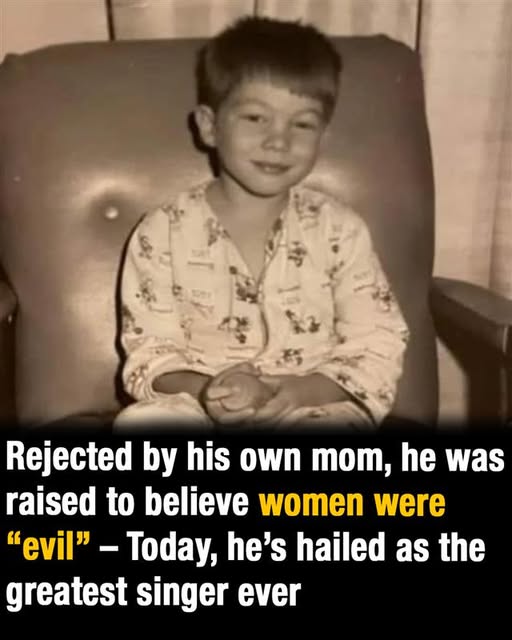
    The story of the man the world knows as Axl Rose is not merely a chronicle of platinum records and sold out stadiums but a harrowing epic of survival against the backdrop of the American Midwest. Born William Bruce Rose Jr. in Lafayette Indiana in the winter of 1962 his arrival was marked by instability from the very first breath. His parents were teenagers barely equipped to navigate their own lives let alone raise a child. His father described as a charismatic but deeply troubled local delinquent abandoned the family early on but not before allegedly committing acts of abduction and abuse that would leave permanent scars on the psyche of the future rock legend. When his mother remarried a man named Stephen Bailey the young boy’s identity was literally rewritten as he became William Bruce Bailey unaware for nearly two decades that the man he called father was not his biological parent.

    The Bailey household was a pressure cooker of religious extremism and physical discipline. Raised in a strict Pentecostal environment the young William was taught that the world was a battlefield between God and a very literal Satan. In this house the television was a window for demons and secular music was a siren song for the damned. His stepfather’s religious fervor manifested as a total control over the household’s environment leading to an upbringing where women were viewed with suspicion and joy was often met with a heavy hand. One of the most poignant memories from this era involves the simple act of singing along to Barry Manilow’s Mandy on the radio. For the crime of enjoying a pop song the young boy was physically assaulted by his stepfather who deemed the music evil. This suppression of his natural gift only served to coil the spring of his eventual rebellion tighter and tighter.

    As he navigated his teenage years the disconnect between his internal world and his external environment became a chasm. In school his flame red hair and defiant attitude made him a target for bullies. He was a member of the cross country team but his teammates found his grand ambitions of stardom laughable. In one particularly cruel instance they taped his mouth shut and shoved him into a locker to silence his boasts about becoming a world famous musician. They saw a delusional kid from the corn belt but William saw a destiny that was the only alternative to the prison like atmosphere of Indiana. He would later compare his home state to a concentration camp a hyperbole that reflected the depth of his desperation to escape. By the time he reached his late teens the trauma of his home life had manifested as what psychiatrists then diagnosed as psychosis and bipolar disorder though later years would suggest these were the natural reactions of a sensitive mind to a prolonged state of domestic war.

    The turning point came at age seventeen when the veil was finally lifted regarding his biological father. The revelation that his life had been built on a foundation of secrets sent him into a spiral of delinquency. He stopped trying to fit into the narrow confines of Lafayette society and instead embraced the role of the outsider. Between the ages of eighteen and twenty he was arrested more than twenty times for various offenses ranging from public intoxication to battery. Facing the prospect of a long term prison sentence as a habitual offender he made the choice that would change music history. In December 1982 with little more than the clothes on his back and a voice capable of shattering glass he fled to Los Angeles.

    The City of Angels was a shock to the system for a Midwest boy but it was the only place large enough to contain his energy. He immersed himself in the burgeoning hard rock scene drawing inspiration from the theatricality of Queen and the raw grit of Aerosmith. He formed a band aptly named AXL and at the suggestion of friends adopted the name Axl Rose. He eventually reclaimed his biological father’s surname legally becoming W. Axl Rose. By 1985 the pieces of the puzzle fell into place as he teamed up with a group of like minded misfits including the virtuosic guitarist Slash and his childhood friend Izzy Stradlin. Together they birthed Guns N Roses a band that would strip away the polished artifice of eighties hair metal and replace it with the honest grime of the streets.

    Their debut album Appetite for Destruction remains a monumental achievement in recorded music but its success was not instantaneous. It took a year of relentless touring and the eventual explosion of the Sweet Child o Mine music video to propel it to the top of the charts. That song written for his future wife Erin Everly showcased the duality of Axl’s talent the ability to be both incredibly vulnerable and terrifyingly powerful within the same four minutes. However the fame that followed was a double edged sword. The trauma of his youth had left him without the emotional tools to handle the pressures of global superstardom. His reputation for volatility grew as he frequently arrived late to stages or ended shows abruptly in fits of rage. The infamous St. Louis riot of 1991 sparked when Axl leaped into the crowd to tackle a fan with a camera remains a textbook example of his hair trigger temper and his refusal to tolerate anything he perceived as a slight to his performance or his security.

    Behind the scenes his personal life was equally chaotic. His marriage to Erin Everly was marred by the same cycles of abuse he had witnessed as a child. Though he penned some of the most romantic lyrics of the era his reality was one of emotional instability and physical confrontation. The tragic miscarriage Everly suffered only deepened the rift leading to a bitter annulment and subsequent lawsuits. Axl would later admit in therapy that his mental circuitry was twisted by his upbringing causing him to overload under stress and lash out at his surroundings. He spent much of the nineties and early two thousands in a state of self imposed reclusive isolation obsessively working on the album Chinese Democracy while the original lineup of his band disintegrated around him.

    Yet despite the lawsuits the tabloid headlines and the accusations of being a difficult genius Axl Rose never lost his status as a rock icon. His voice which spans five octaves remains one of the most recognizable instruments in the history of the genre. His refusal to attend his own induction into the Rock and Roll Hall of Fame in 2012 was a final middle finger to an industry he felt never truly understood him. In recent years he has undergone a remarkable late career resurgence reuniting with Slash and Duff McKagan for massive stadium tours that have broken box office records. Even as he aged his intensity remained undimmed as evidenced by a recent onstage meltdown in Buenos Aires in late 2025. It served as a reminder that the fire which fueled his rise from a traumatized boy in Indiana to the king of the Sunset Strip still burns. Axl Rose is the living embodiment of the idea that while pain can nearly destroy a person it can also be the high octane fuel for a legendary journey. He didn’t just survive his past he transmuted it into an anthem for every outsider who was told they would never make it.